 English
 Français
 Deutsch

Beeswax and Soy Candles: A Manufacturer's Guide to Choosing the Right Wax
Content
- 1 Why Beeswax and Soy Wax Keep Coming Up
- 2 What Beeswax Brings to a Candle
- 3 What Soy Wax Brings to a Candle
- 4 Beeswax and Soy Wax Side by Side
- 5 Blending Beeswax and Soy Wax
- 6 Sourcing and Manufacturing Realities
- 7 Matching Wax to Format and Season
- 8 Common Questions Buyers Ask
- 9 A Practical Starting Point
Walk into any candle aisle, or open a product brief from a fragrance brand, and the same two natural waxes tend to come up: beeswax and soy. Both sit in the “natural” column. Both can carry a beautiful scent. But they behave very differently in the melter, in the mold, and in the finished candle. Treating them as interchangeable is one of the fastest ways to end up with a wick that drowns, a surface that frosts, or a burn time that misses the mark.
Our team has been working with candle waxes for more than two decades, and we have seen the conversation shift many times. Beeswax and soy candles are not a simple either-or choice. The better question is: what do you want the candle to do, and what can your production process support consistently? This guide walks through the practical differences, the trade-offs, and the places where a blend makes more sense than a single wax.
Why Beeswax and Soy Wax Keep Coming Up
Most candle buyers start with a simple requirement: the wax should feel closer to nature than a fully synthetic or petroleum-based option. Beeswax and soy wax both meet that brief, but they come from very different supply chains. Beeswax is a by-product of honey harvesting. Soy wax is made from soybean oil, usually through hydrogenation, and is often blended with other vegetable waxes to improve performance.
The search interest around beeswax and soy candles usually comes from two directions. One is the maker or small brand testing samples at the kitchen counter. The other is a product developer or buyer building a private-label range and needing to know which wax will survive shipping, hold fragrance, and match the story on the label. Both groups need the same thing: a clear view of how each wax performs, not just a list of natural-sounding claims.
What Beeswax Brings to a Candle
Origin and character
Beeswax is produced by honeybees and collected from the honeycomb. It has a naturally warm, golden tone and a faint honey-like aroma even before fragrance is added. That natural scent can be a selling point or a complication, depending on the fragrance profile. A clean lavender or a crisp citrus may sit comfortably with a subtle honey note. A delicate white tea may not.
Performance notes
Beeswax is a hard wax with a relatively high melt point, often around 63°C (145°F). It burns slowly and tends to produce a bright, warm flame. In pillar and taper formats, that firmness is an advantage: the candle holds its shape and resists slumping in warm rooms. In containers, the same hardness can be frustrating. Beeswax can pull away from glass, crack during cooling, and need a larger wick than soy wax to achieve a clean melt pool.
Scent throw is one of the most misunderstood points. Beeswax can carry fragrance, but it does not release aroma as readily as soy wax. The natural honey note may also interact with certain fragrance oils. A beeswax candle often performs best when the fragrance is chosen to complement the wax rather than fight it.
Where it fits
Beeswax is a strong candidate for pillars, tapers, sculpted shapes, and candles where a natural golden color is part of the design. It is less forgiving for high-fragrance container candles unless it is blended with a softer wax. Cost and supply also matter. Beeswax is typically more expensive than soy wax, and availability can vary with beekeeping seasons and regional supply.
What Soy Wax Brings to a Candle
Origin and character
Soy wax is derived from soybean oil. In its common candle form, it is a hydrogenated vegetable wax with a creamy, opaque finish. It melts at a lower temperature than beeswax, usually in the range of 49–52°C (120–125°F), which makes it friendlier for glass containers and wax melts. It also takes fragrance and dye well, giving product developers a wide playground for scent and color.
Performance notes
Soy wax is known for a clean, steady burn and a strong fragrance throw, especially in container candles. It can produce an even melt pool and a smooth surface when poured at the right temperature and allowed to cool slowly. The trade-off is softness. Pure soy wax can be too soft for freestanding pillars, and it is prone to cosmetic issues such as frosting, wet spots, and uneven tops. These are usually manageable with blending, temperature control, and a proper cure time.
From a manufacturing point of view, soy wax is versatile. It can be poured into glass jars, tins, ceramic vessels, and wax melt clamshells. It can also be blended with beeswax, coconut wax, or other vegetable waxes to adjust hardness, burn profile, and surface finish.
Beeswax and Soy Wax Side by Side
The table below summarizes the practical differences we consider when developing a candle line. It is not a scorecard. A wax that loses on one row may win on another for a specific product format or brand position.
| Consideration | Beeswax | Soy Wax |
|---|---|---|
| Primary origin | By-product of honey harvesting | Hydrogenated soybean oil |
| Melt point | High, often around 63°C / 145°F | Lower, often around 49–52°C / 120–125°F |
| Burn character | Slow, bright, warm flame | Clean, steady, cooler burn |
| Scent throw | Subtle; natural honey note may interact with fragrance | Strong and versatile in containers and melts |
| Color and finish | Golden, can bloom over time | Creamy, prone to frosting and wet spots |
| Sustainability profile | Renewable, tied to beekeeping and regional supply | Renewable, with land-use and sourcing questions to verify |
| Typical cost | Higher | Lower and more predictable |
| Best formats | Pillars, tapers, sculpted shapes, blends | Jars, tins, wax melts, tea lights, blends |
Blending Beeswax and Soy Wax
Some of the most interesting candles use both waxes. A small percentage of beeswax can firm up a soft soy container blend, extend burn time, and add a warm natural hue. Too much beeswax, however, can mute the fragrance throw and make the candle harder to wick correctly. We usually start with a modest ratio and test burn several wick sizes before committing to a production formula.
The blend also affects the story on the label. A candle made with mostly soy wax and a small amount of beeswax can still be described honestly, but the order of ingredients and the primary wax claim should reflect the formula. Buyers increasingly ask for wax percentages, fragrance load, wick type, and cure time. Having those answers ready is part of good product development, not just good marketing.
Sourcing and Manufacturing Realities
Wax selection is never only about the wax. It affects wick sizing, vessel choice, fragrance load, label claims, shipping weight, and the way the candle behaves in different climates. A soy blend that performs beautifully in a mild climate may need adjustment for a market with hot summers. A beeswax pillar that looks perfect in a photoshoot may need careful packaging to survive a long freight route without surface marks.
Consistency is the quiet requirement behind every successful private-label program. Natural waxes vary by batch. A manufacturer needs to test melt point, fragrance compatibility, and burn performance regularly, not once at the sample stage. Our own history includes a shift from paraffin to palm wax after a major market policy change in 2008, and later a move into plant-wax formulas for home fragrance. Those transitions taught us to treat wax as a living material, not a fixed spec sheet.
Matching Wax to Format and Season
Containers and jars
Soy wax is the natural starting point for most container candles. It throws fragrance well, works in glass and ceramic, and gives a clean, creamy look. A jar candle can also use a soy-beeswax blend when the brand wants a firmer surface or a warmer natural tone. The key is to test the wick with the actual vessel diameter, not just the wax sample.
Pillars and sculpted shapes
Freestanding candles need structure. Beeswax is excellent here, and a soy-beeswax blend can soften the cost while keeping the shape. For sculpted designs, the pour temperature and cooling environment matter as much as the wax ratio. A firm soy blend can work for decorative pillars when the mold and release process are controlled.
 Sunflower-Shaped Soy Wax Pillar Scented CandleA small decorative soy-wax pillar with a lifelike sunflower shape and sweet fragrance, suited to playful gifting and decorative candle displays.View Product →
Wax melts and tea lights
Wax melts are usually soy-based because the lower melt point releases fragrance quickly and cleanly in a warmer. Beeswax can be added for firmness, but a high proportion may slow the scent release. For tea lights and small tins, soy wax is forgiving and easy to wick consistently, which matters when the candle is small and the burn time is short.
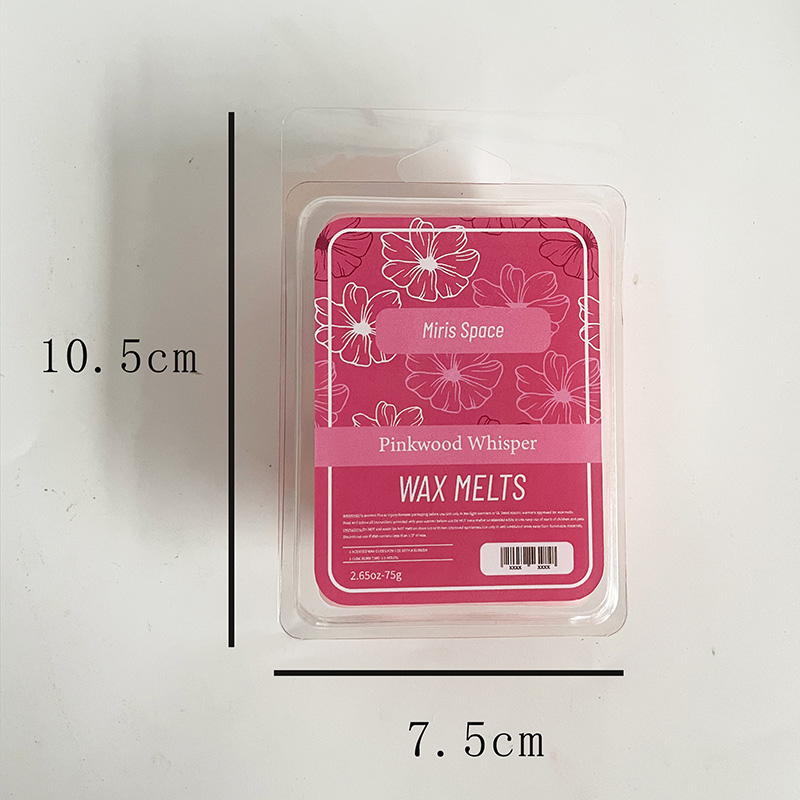 Colorful Star and Round Soy Wax MeltsColorful star and round soy wax melts for warmers, offered in a 75 g set with sweet fruity or dessert-style fragrance for home gifting.View Product →
Common Questions Buyers Ask
Is beeswax better than soy wax?
Not universally. Beeswax is better for structure, slow burn, and a natural golden finish. Soy wax is better for fragrance throw, container candles, and cost control. The right answer depends on the product format and the brand promise.
Which wax throws scent more strongly?
Soy wax generally throws fragrance more readily, especially in jars and melts. Beeswax can carry scent, but its natural honey note and denser structure can muffle delicate fragrances. A blend can balance the two.
Are beeswax and soy candles both sustainable?
Both are renewable materials, but sustainability is not automatic. Beeswax depends on healthy beekeeping and regional supply. Soy wax depends on agricultural practices and land use. Buyers should ask for documentation and avoid treating either wax as a blanket eco-claim.
Does wick choice matter as much as wax?
Yes. A poorly matched wick can ruin the performance of an excellent wax. Wick sizing, wax melt point, fragrance load, and vessel diameter all interact. For multi-wick designs, wick sizing and multi-wick construction deserve the same attention as the wax itself.
A Practical Starting Point
If you are developing a new candle line, start with the format and the fragrance, then choose the wax. A soy container candle, a beeswax pillar, and a soy-beeswax sculpted piece each solve a different problem. Testing should include burn trials, fragrance retention checks, surface appearance after cooling, and a realistic look at shipping and storage.
Our team works with brands and buyers on wax selection, wick matching, vessel sourcing, and private-label production. You can explore the candle formats we produce to see how different waxes translate into finished products. Beeswax and soy candles both have a place in a well-built range. The craft is in knowing which one belongs where.
-
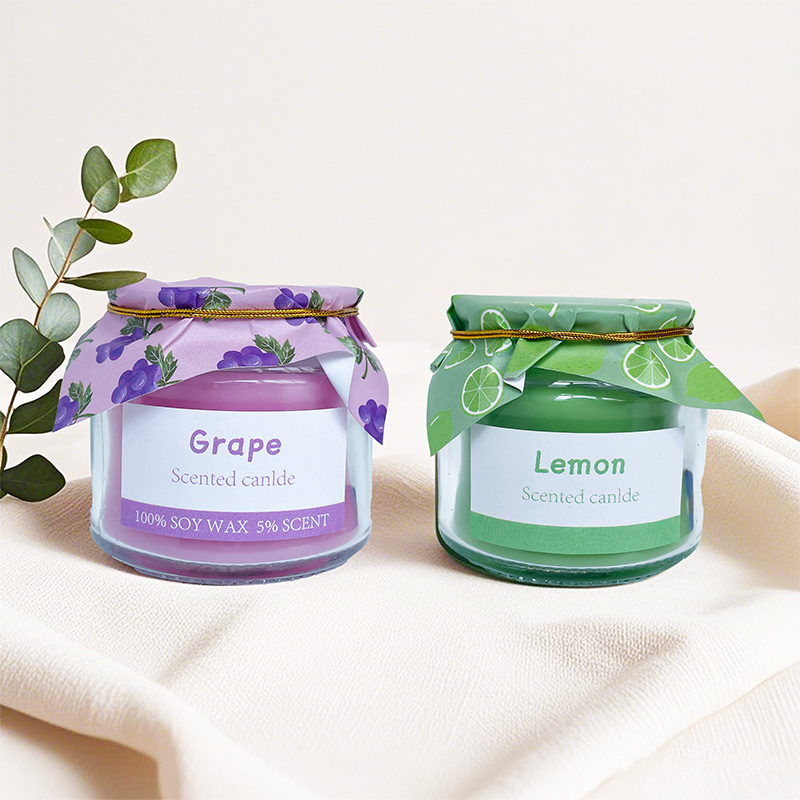 Glass Jar Fruit Scented Candle – Natural Soy Wax, Custom Logo Available
-
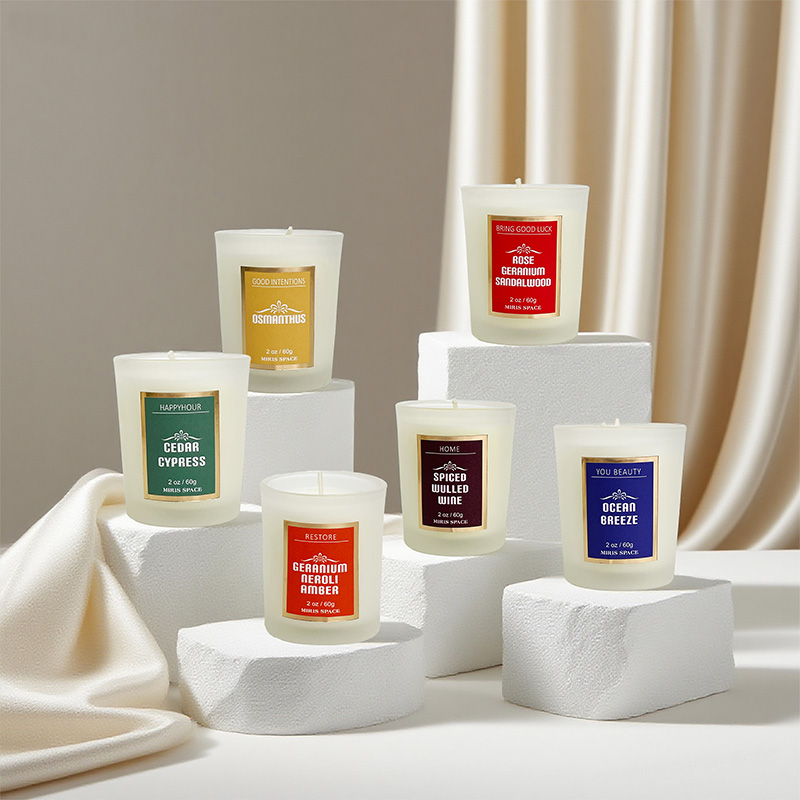 Colorful Rainbow Set Soy Wax Scented Candle – Custom Logo Available
-
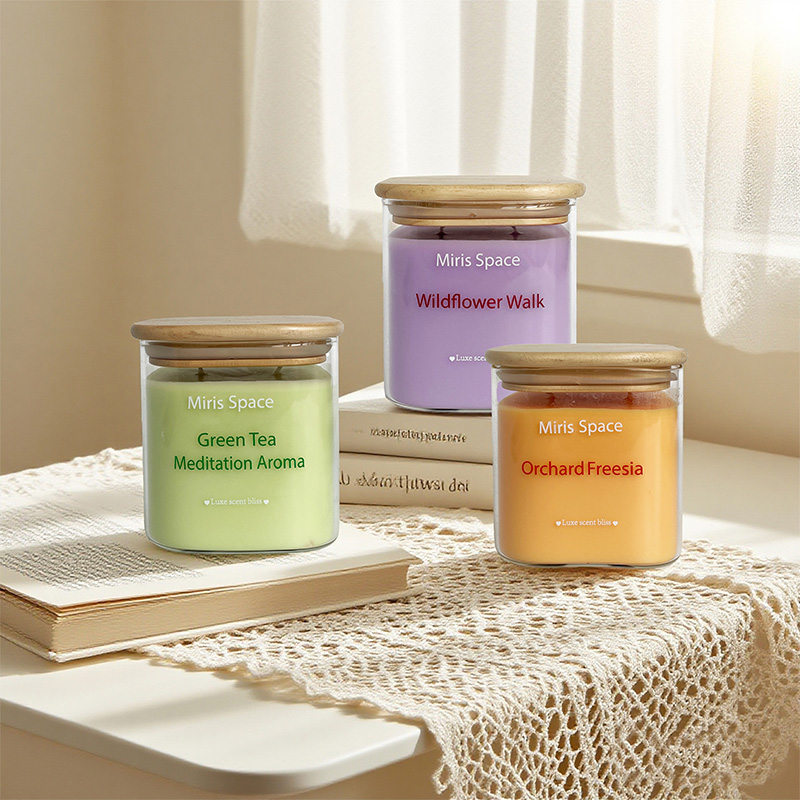 Warm And Natural Colored Wax With Wooden Lid Scented Candle Customizable Natural Soy Wax
-
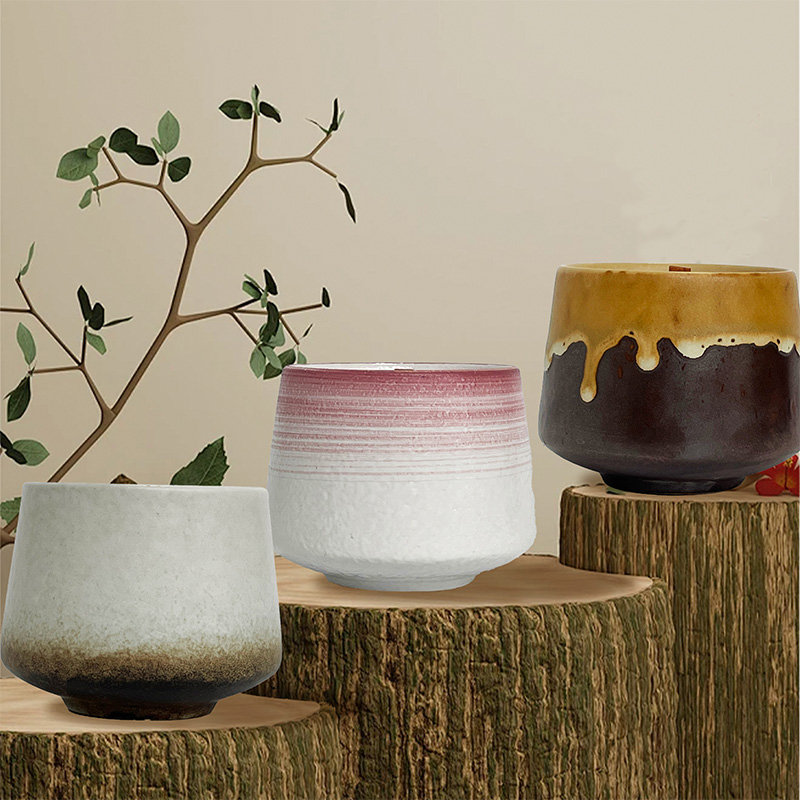 Artistic Romantic Niche Scented Candle with Pure Natural Soy Wax
-
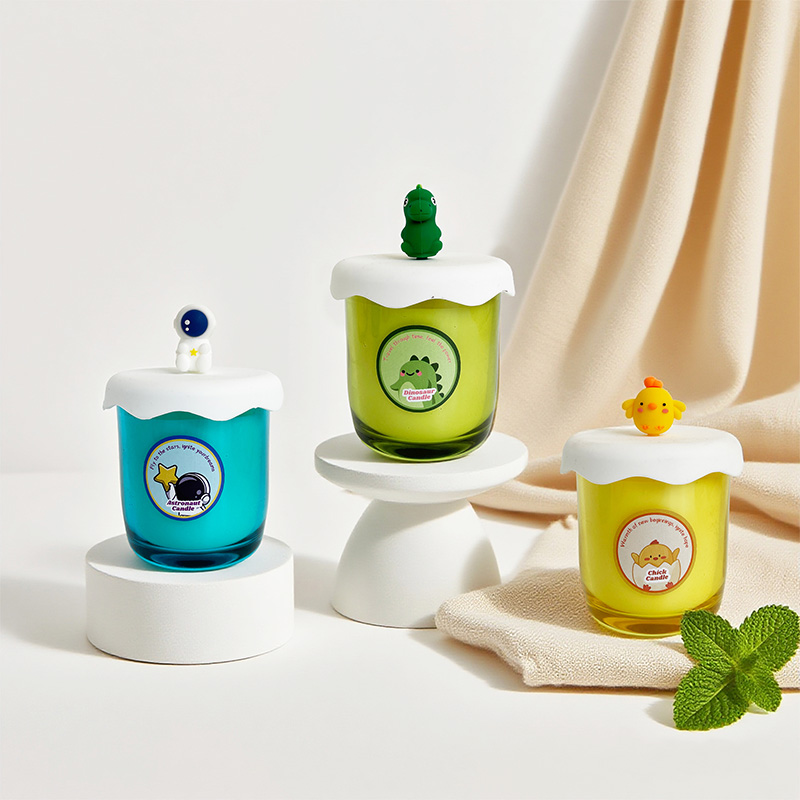 Handmade Soy Wax Scented Candle with Childlike Silicone Lid – Custom Logo Available
-
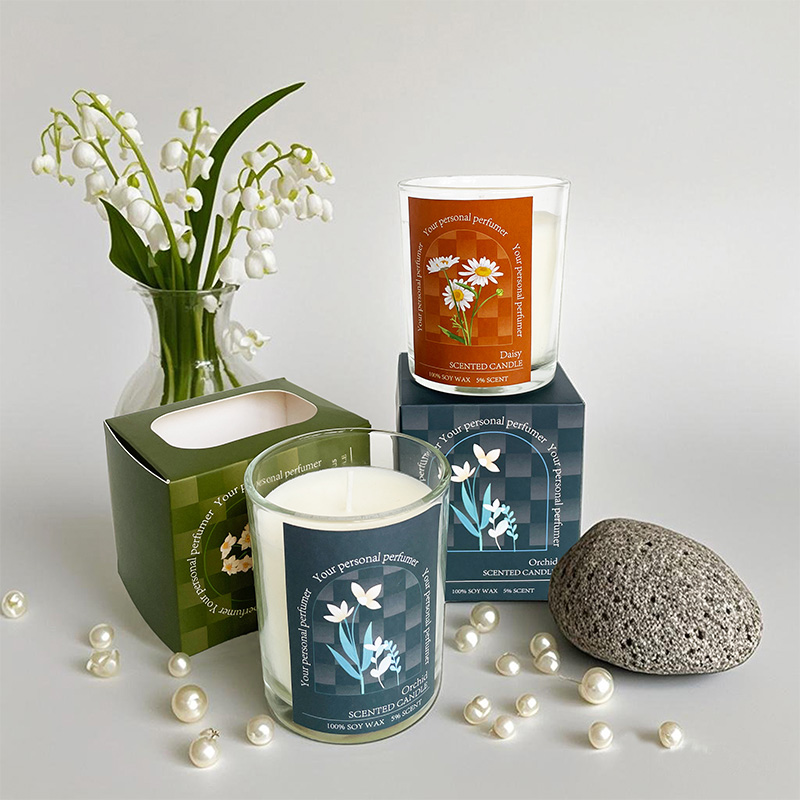 Fresh Flower Glass Cup Soy Wax Scented Candle – Custom Logo Available
Get in touch: [email protected]
Copyright © Xuancheng Zhiwen Handicraft Co., Ltd.
