 English
 Français
 Deutsch
- Benefits of Offering Multiple Candle Sizes: A Manufacturer's Guide for Candle Brands
- Benefits of Soy Wax Candles: Cleaner, Longer-Lasting Scent for Your Brand
- Candles vs Diffusers: A Manufacturer's Guide for Home Fragrance Brands
- Beeswax and Soy Candles: A Manufacturer's Guide to Choosing the Right Wax

The Benefits of Buying Candles in Bulk: A Manufacturer's Guide for Buyers
Content
- 1 Why Volume Changes the Economics of a Candle Order
- 2 The Consistency Benefit Most Buyers Overlook
- 3 Customization Gets Cheaper and More Precise at Volume
- 4 Planning Seasonal Launches Around a Bulk Calendar
- 5 Which Formats Make Sense to Buy in Bulk
- 6 Mistakes That Quietly Erase the Savings
- 7 A Practical Checklist Before You Place a Bulk Order
A first order of fifty candles is a test. A first order of two thousand is a decision about the next two years of your brand. We have been pouring scented candles in Xuancheng since 2004 — beginning with religious candles for the US market, then moving through palm wax, plant wax and home fragrance for customers in more than 30 countries — and in that time we have watched bulk orders quietly build businesses, and we have watched a few sit in a warehouse because nobody planned the scents properly.
The benefits of buying candles in bulk are usually described as a discount. In our experience that is the smallest part of the story. What actually changes when you scale up is how much control you get over consistency, packaging, timing and cost per unit.
Why Volume Changes the Economics of a Candle Order
Every candle you commission carries a layer of fixed cost that has nothing to do with quantity. Wax has to be melted, filtered and tested. Fragrance has to be blended and matched to a colour reference. Wicks have to be sized against the vessel diameter. Pillar moulds have to be set up, label plates engraved, and the first pour of any new specification nearly always gets sampled or scrapped. Whether you order 300 pieces or 3,000, that preparation happens once.
Variable costs behave differently. Wax, fragrance oil, wick, vessel, lid and box are bought in larger quantities, which normally brings better component pricing, and they sit inside a single production run instead of three separate ones. Freight works the same way: a 2,000-piece order rarely costs ten times the shipping of a 200-piece order, because cartons, pallets and container space are shared across far more units.
| Consideration | Small batch (200–500 pieces) | Bulk order (2,000+ pieces) |
|---|---|---|
| Per-unit cost | Higher, because setup is spread thin | Lower, setup absorbed across the run |
| Sampling and mould setup | Proportionally expensive | Negligible once the run is approved |
| Scent and colour matching | More variation between batches | Single lot, tighter repeatability |
| Container and lid options | Limited to stock parts | Custom shapes, printed boxes, foils |
| Freight per candle | High relative to goods value | Shared across pallets and containers |
| Stockout risk in peak season | Frequent reordering | Covered by one planned run |
One honest caveat: bulk pricing only pays off if the product sells. Buying deep on a scent nobody has tested is the fastest way to turn a saving into dead stock, which is why almost every experienced buyer samples first and commits second.
The Consistency Benefit Most Buyers Overlook
A candle is a small chemical system. Wax blend, fragrance load, wick size and vessel diameter all interact, and the burn your customer sees in month six depends on decisions made during the pour. When a single production run covers thousands of units, those units share the same wax lot, the same fragrance batch and the same wick batch. Burn time, scent throw and pool behaviour stay close to identical from the first candle in the box to the last.
That matters commercially for two reasons. First, repeat purchase depends on recognition: a customer who loved a candle and buys it again expects the same experience, not a slightly hotter burn or a fainter throw. Second, a bulk order finally makes proper testing worthwhile. You can afford to burn test several pieces across the run, document the results, and reuse that specification on the reorder. Small batches often skip this step simply because there is no budget for it.
Customization Gets Cheaper and More Precise at Volume
Customization is where small orders hit a wall. Foil stamping plates, custom moulds, printed gift boxes, engraved wooden lids and hand-dyed wax all carry a one-time setup cost. At two hundred pieces, a bespoke box can nearly double your landed cost per candle. At two thousand, that same setup dissolves into the unit price and you get a product that looks like a brand rather than a rebadged stock item.
There is a second advantage that is easy to miss: at volume you can be specific. Instead of accepting a standard fragrance load, you can dial in the percentage that suits your market. Instead of a generic wick, you can match cotton or wood to the exact jar. Our design and custom options cover containers, wax types, fragrance oils, wicks, lids, printing effects and finishes, so most of the specification work happens before the first bulk run rather than after it.
Planning Seasonal Launches Around a Bulk Calendar
Candle demand is seasonal, and bulk purchasing is really a scheduling tool. Holiday stock has to be in a warehouse well before the first week of November; autumn and Halloween ranges need to land in September; spring and Mother's Day programmes are placed while most buyers are still thinking about last Christmas. A bulk order placed on the right date buys you calm. The same order placed three weeks late buys you air freight and a shortened selling window.
This is also where reading the market early pays. Our annual look at candle-making trends for 2026 covers the formats and scent families buyers are stocking now, which is a useful starting point before you lock a bulk quantity on one style. Buy the volume on proven shapes; test the trend pieces in smaller numbers first.
Which Formats Make Sense to Buy in Bulk
Not every format rewards volume equally. The rule we suggest to buyers is simple: buy deep on the formats that carry your brand identity and repeat purchase, and buy shallow on novelty shapes that depend on a single season.
Jar candles: the workhorse of a bulk programme
Jar candles are the most reliable bulk purchase because the vessel, wick and fragrance spec can all be fixed and repeated. They also travel well, which keeps damage rates low on full pallets. A multi-size dark jar with a simple premium label is the kind of piece that anchors a collection and can be reordered for years.
 Multi-Size Dark Jar Soy Wax Scented CandleSix dark-glass sizes from 158 g to 683 g use soy wax, cotton wicks and a cedarwood white tea scent, supporting repeat wholesale orders.View Product →
Tin candles and wax melts: volume at low unit cost
Tins and wax melts let you widen a range without widening your budget. Wax melts in particular are a clever bulk buy for gifting and add-on sales: low unit cost, small packing footprint, and the same mould and colour work covers thousands of pieces. Handmade coloured melts show off a palette better than almost any other format.
 Handmade Colourful Soy Wax Melts with Custom LogoHand-poured natural soy wax melts in two sizes and customisable scents, suited to gifting, add-on sales and small-batch branded ranges.View Product →
Holiday and gift sets: order early, order deep
Seasonal gift boxes are the one category where bulk buying is close to compulsory, because retail buyers rarely commit to small runs. Kraft paper label sets and printed gift boxes are the classic November movers — but they need to be specified in spring so the packaging arrives alongside the wax.
 Christmas Kraft Label Soy Wax Candle Gift BoxA 70 g soy wax candle with festive kraft-paper labelling and gift packaging, suited to seasonal corporate gifts and holiday retail.View Product →
Mistakes That Quietly Erase the Savings
- Spreading one order across eight scents, which splits the batch and pushes every line back toward small-batch pricing.
- Skipping the pre-production sample because the artwork was approved quickly.
- Choosing a vessel that arrives only in huge component minimums, then discovering the lid is out of stock.
- Forgetting that fragrance load changes burn time, and quoting customers a burn hour figure from a different spec.
- Leaving no buffer for breakage, so the "saving" is spent replacing cracked jars.
- Comparing quotes on unit price alone while ignoring the wax type, fragrance percentage and wick quality behind it.
A Practical Checklist Before You Place a Bulk Order
- Ask for a sample poured in your actual vessel, wax and fragrance — not a stock sample in a different jar.
- Confirm the wax blend, fragrance load and wick specification in writing on the order confirmation.
- Request burn test notes from the producing factory, not only a marketing sheet.
- Check what happens when a component runs short and whether a substitute is proposed or the schedule slips.
- Ask for the packaging and printing proof before the run starts, not after.
- Agree the reorder lead time at the same time as the first order, so season two does not start from zero.
After more than twenty years of producing for brands, importers and retail buyers, the pattern we see most often is this: the buyers who benefit most from bulk pricing are not the ones who ordered the largest quantity, but the ones who sampled carefully, fixed a specification and then repeated it on a schedule. Volume gives you the price. The specification is what makes that price worth having.
Product Consultation
Related products
-
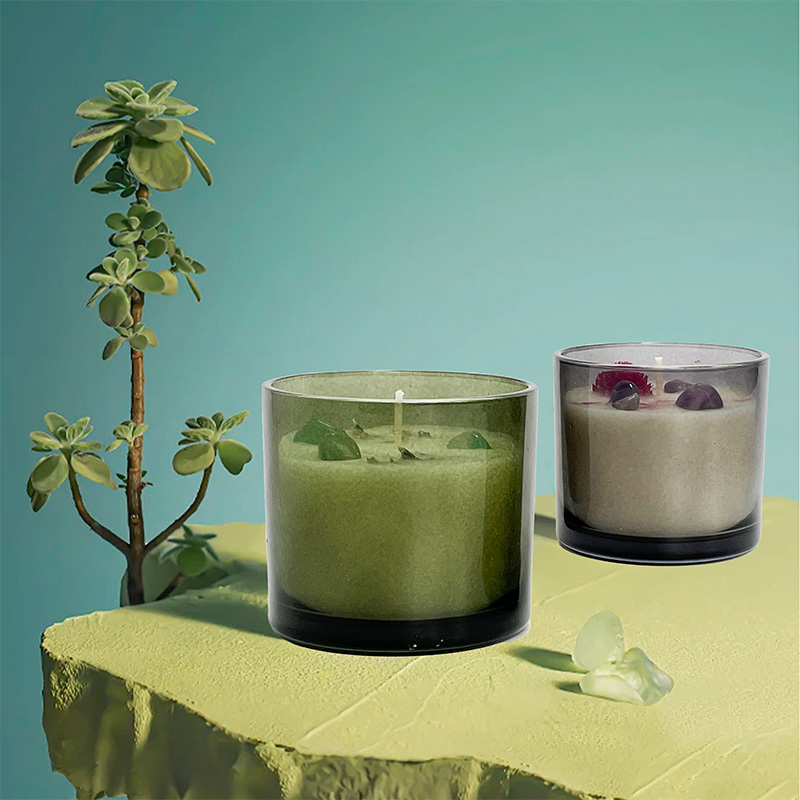 Crystal Dried Flower Healing Scented Candle Soothing And Relaxing Natural Soy Wax Custom Logo
-
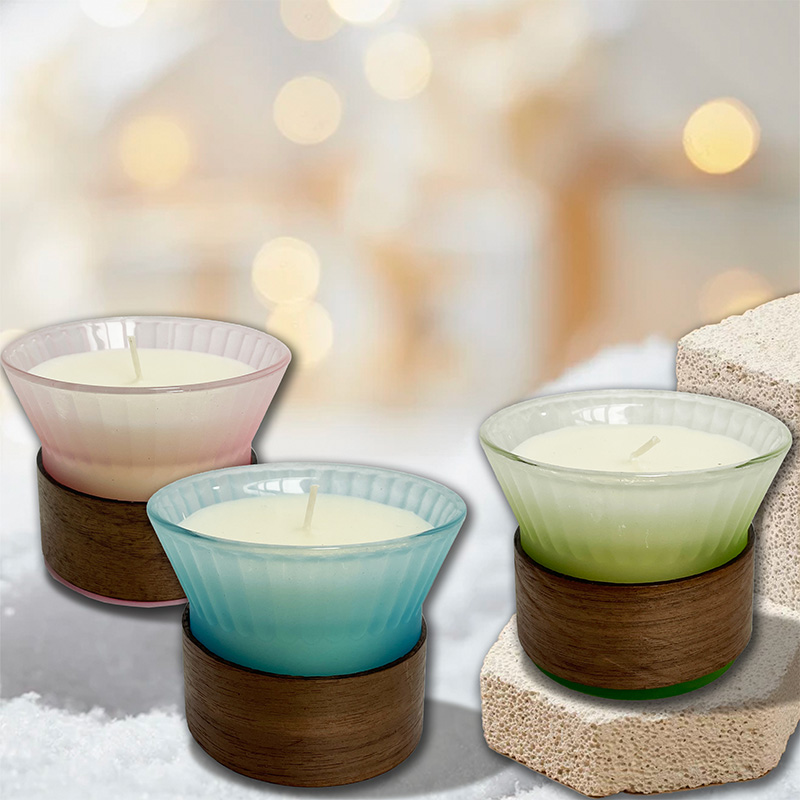 Natural Soy Wax Niche Scented Candle for Home Use, Long-Lasting Fragrance Gift
-
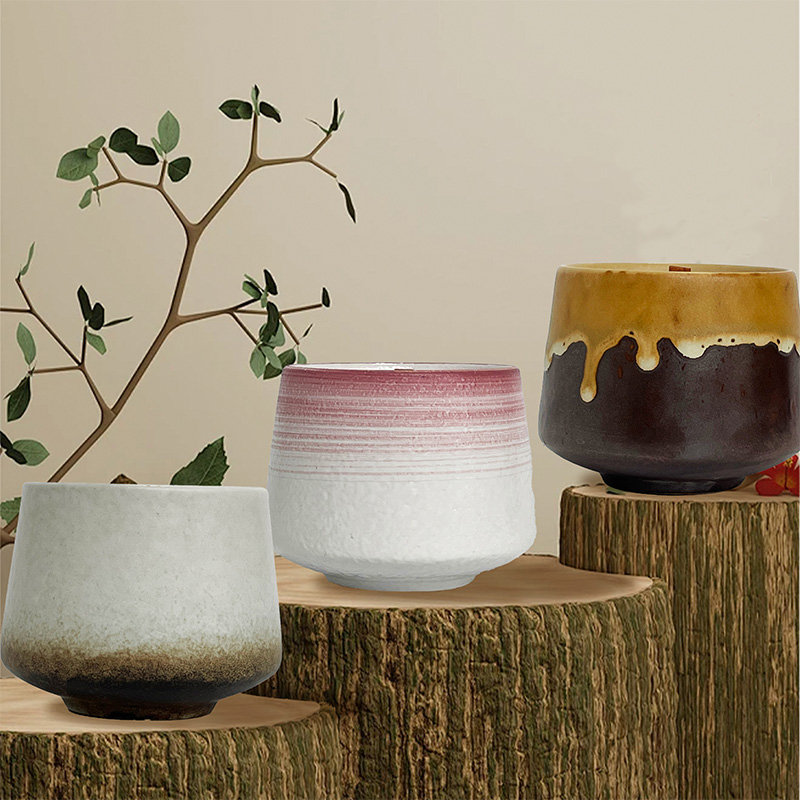 Artistic Romantic Niche Scented Candle with Pure Natural Soy Wax
-
 Romantic Gradient Natural Ambiance Scented Candle with Long-Lasting Fragrance, Soy Wax
-
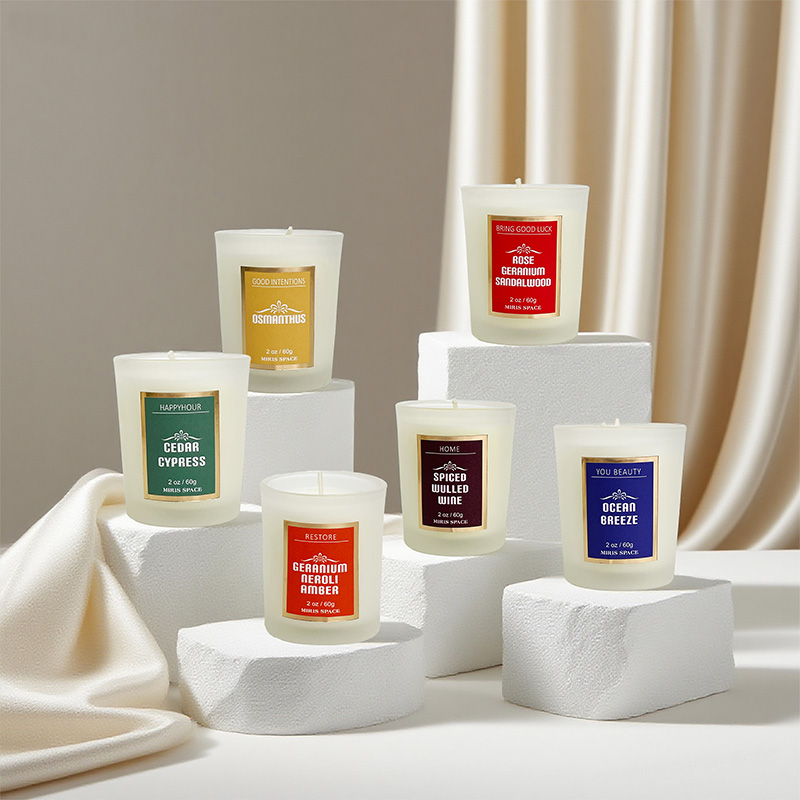 Colorful Rainbow Set Soy Wax Scented Candle – Custom Logo Available
-
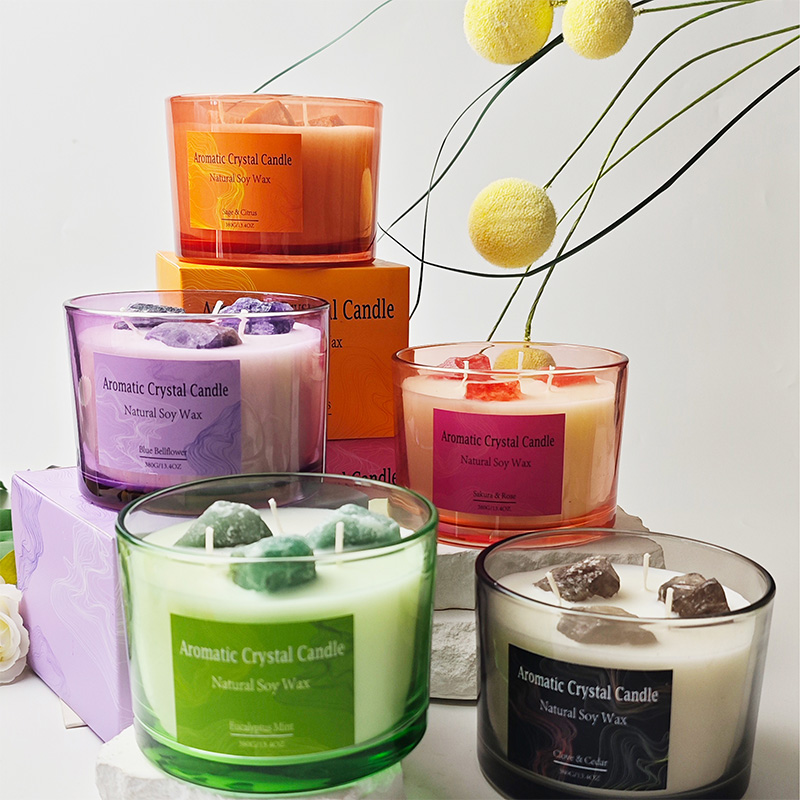 Colored Crystal Healing Scented Candle for Home Use, Long-Lasting Fragrance with Natural Soy Wax
Let's work together.
Get in touch: [email protected]
Get in touch: [email protected]
Copyright © Xuancheng Zhiwen Handicraft Co., Ltd.
