 English
 Français
 Deutsch
-
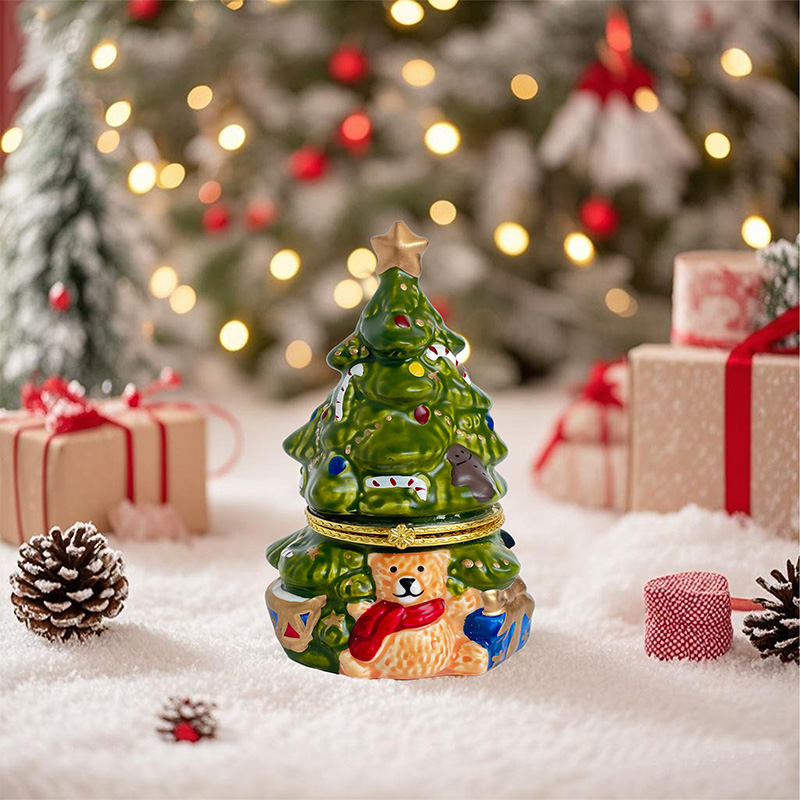 Wishing Tree Bear Cute Scented Candle Christmas Gift Natural Soy Wax
-
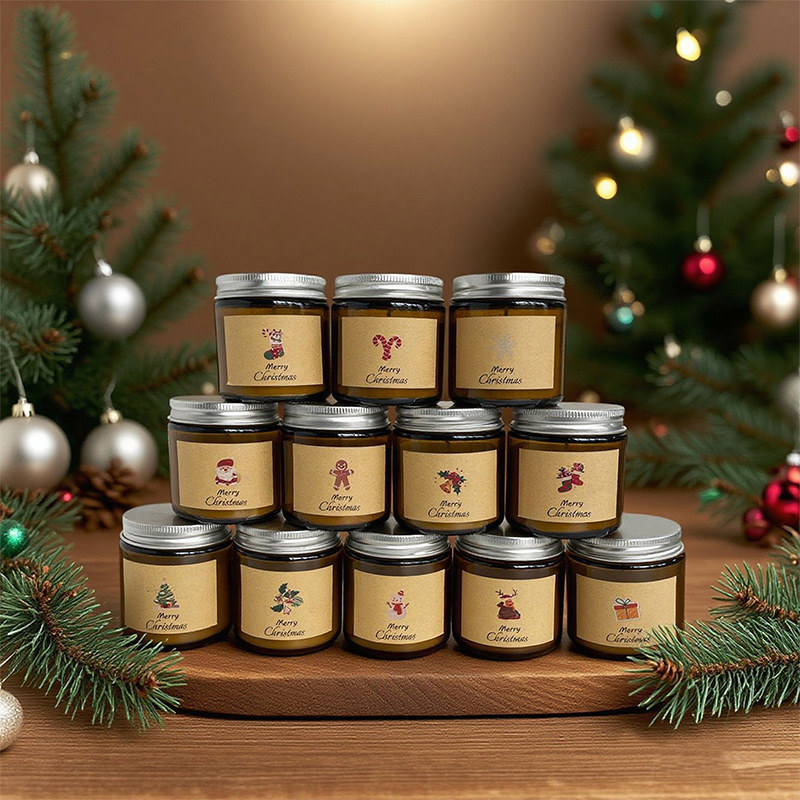 Brown Christmas Kraft Paper Label Scented Candle Gift Box Natural Soy Wax
-
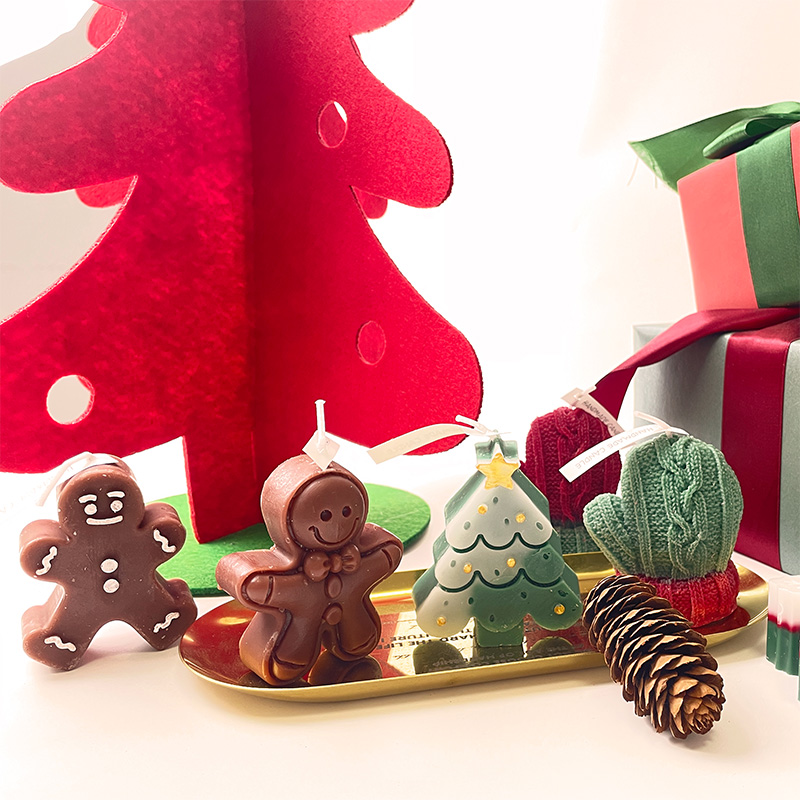 Santa Claus Scented Candle Festive Ambiance Ornament Set Pure Natural Soy Wax
-
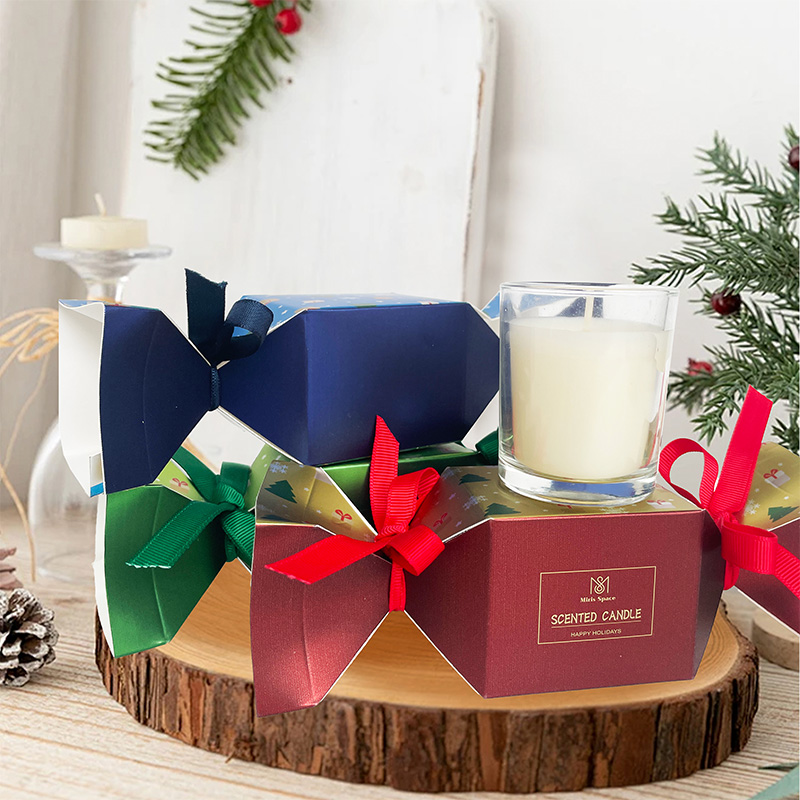 Candy Wrapper Christmas Festive Ambiance Scented Candle Soy Wax
-
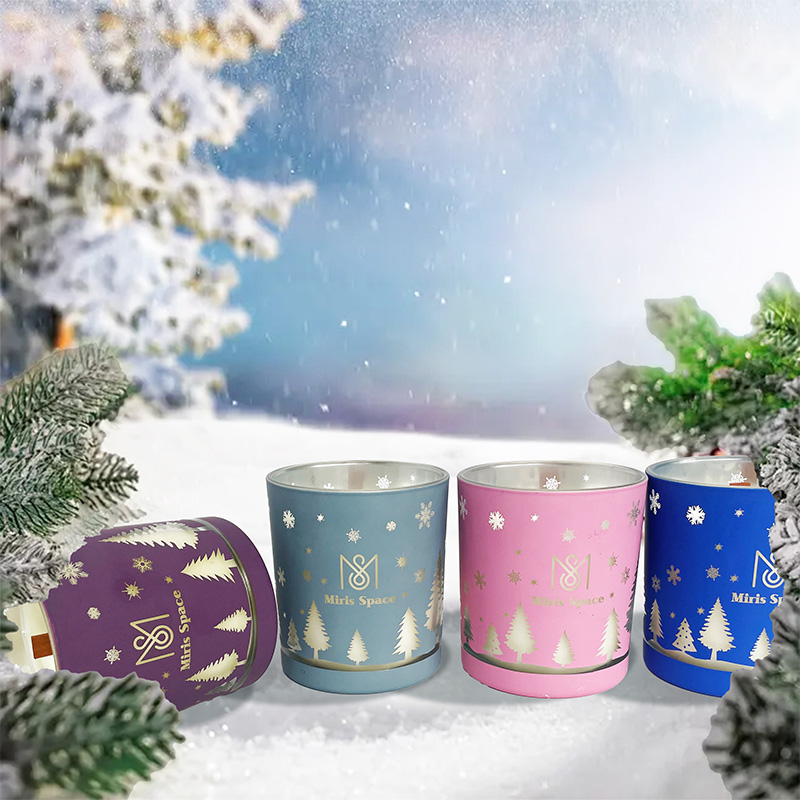 Christmas Cutout Festive Ambiance Reindeer Scented Candle Natural Soy Wax
-
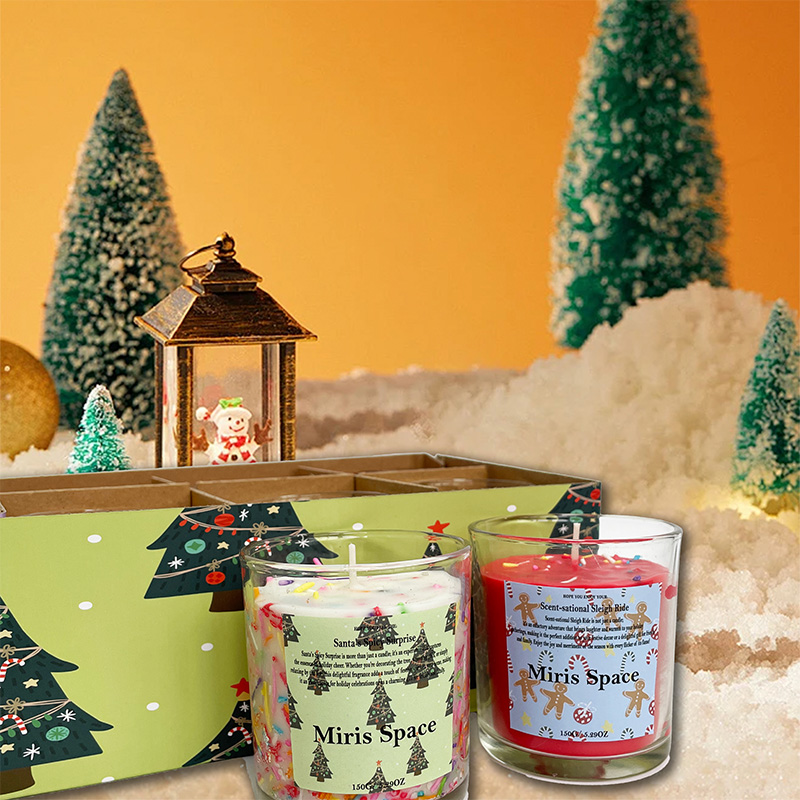 Christmas Candy Colored Wax Scented Candle Set Custom Logo Natural Soy Wax
-
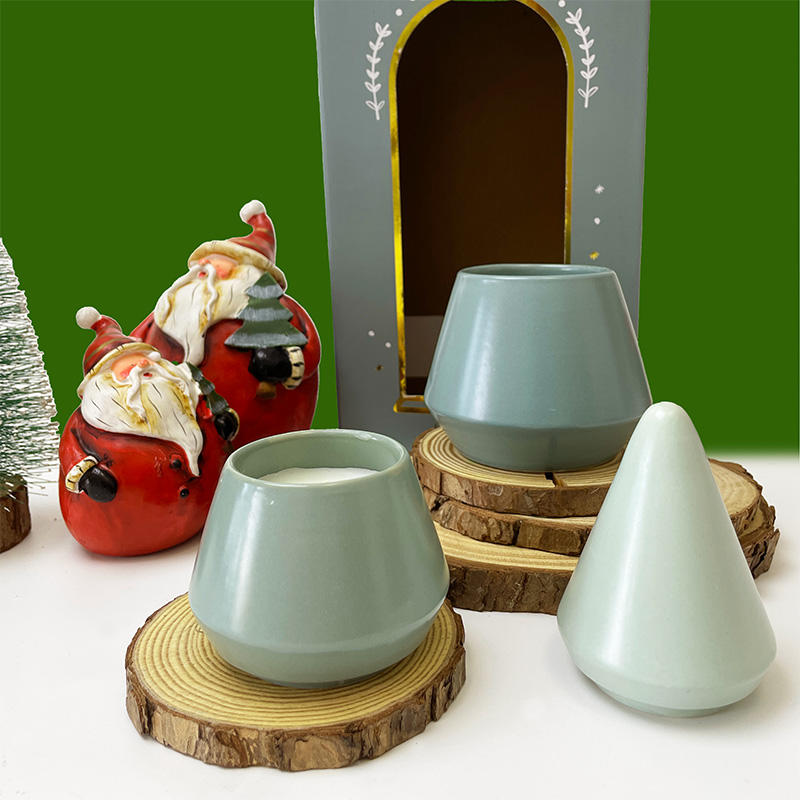 Christmas Tree Detachable Creative Scented Candle Christmas Gift Niche Natural Soy Wax
-
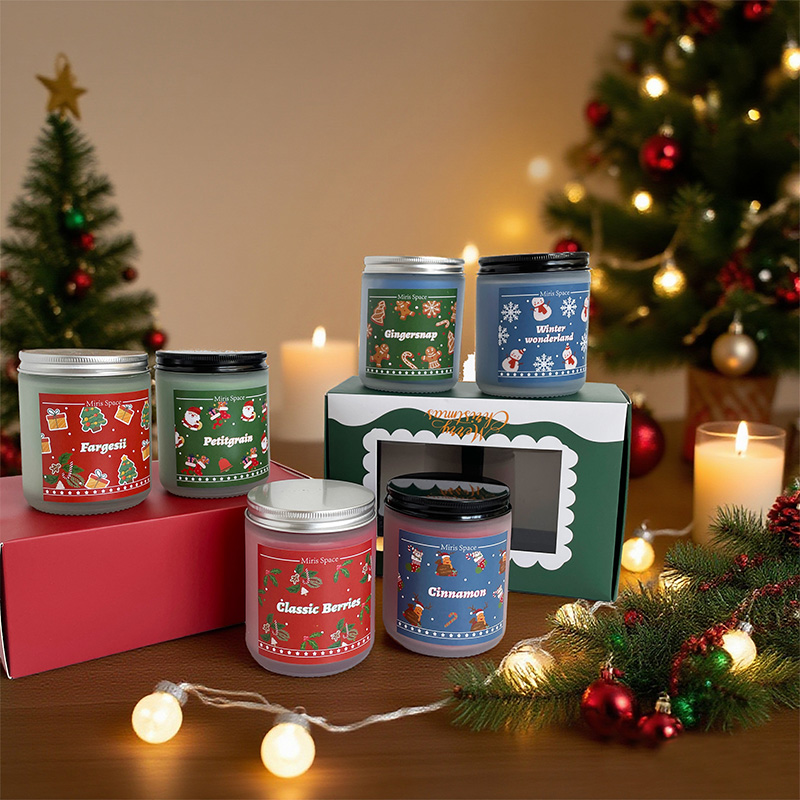 Christmas Frosted Colorful Label Cute Scented Candle Set Festive Ambiance Soy Wax
-
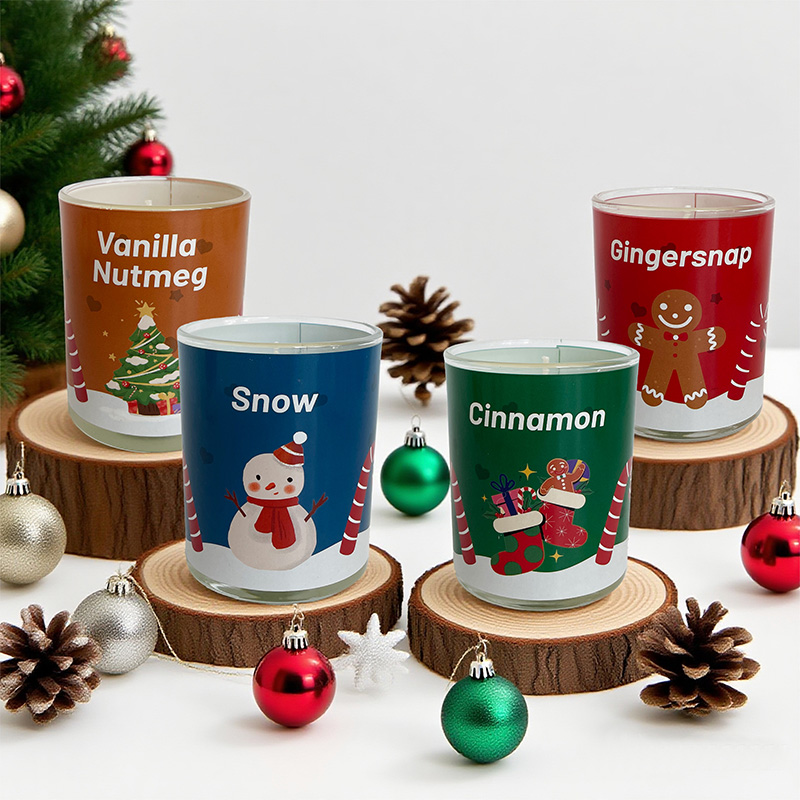 Colorful Christmas Gift Wrap Scented Candle Set Long-Lasting Fragrance Natural Soy Wax
-
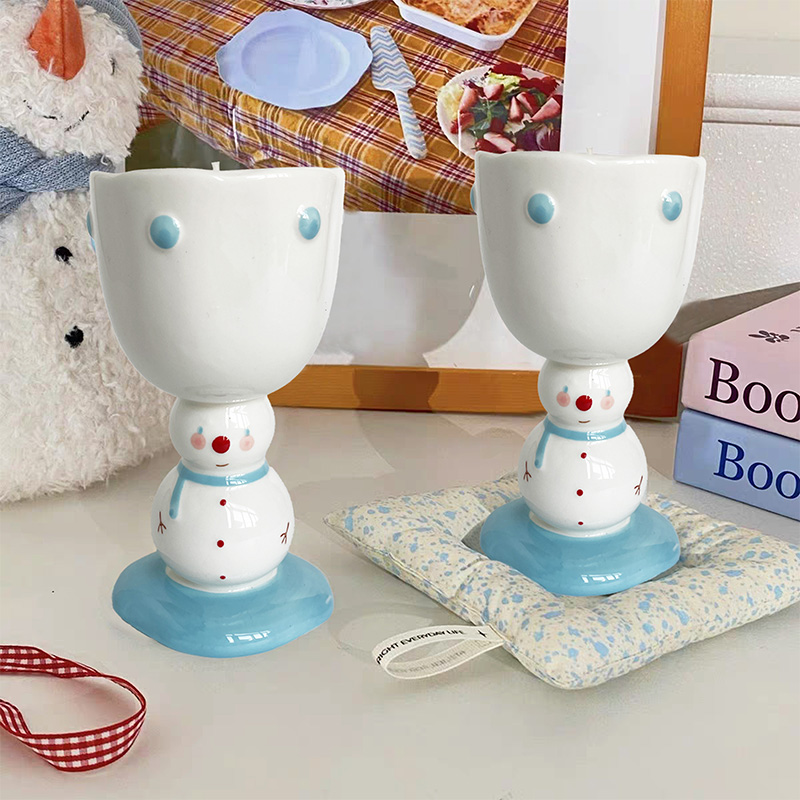 Cute Scarf Snowman Scented Candle Christmas Gift Festive Ambiance Natural Soy Wax
Founded on April 21, 2004, Xuancheng Zhiwen Handicraft Co., Ltd. is a high-tech enterprise specializing in the production of scented candles. Zhiwen Handicraft has a professional R&D and sales team, mainly providing labeling and processing services for scented candles for overseas markets. OEM/ODM Christmas Candles Manufacturers and Christmas Candles Factory in China. From sustainably sourced ingredients to rigorous quality control, every step meets global environmental and safety standards. From Sketch to Shelf-We specialize in co-creating unique selling points with brands, delivering one-stop fragrance design solutions that bring your vision to life! Christmas Candles Wholesale. The company serves customers in more than 30 countries and regions.
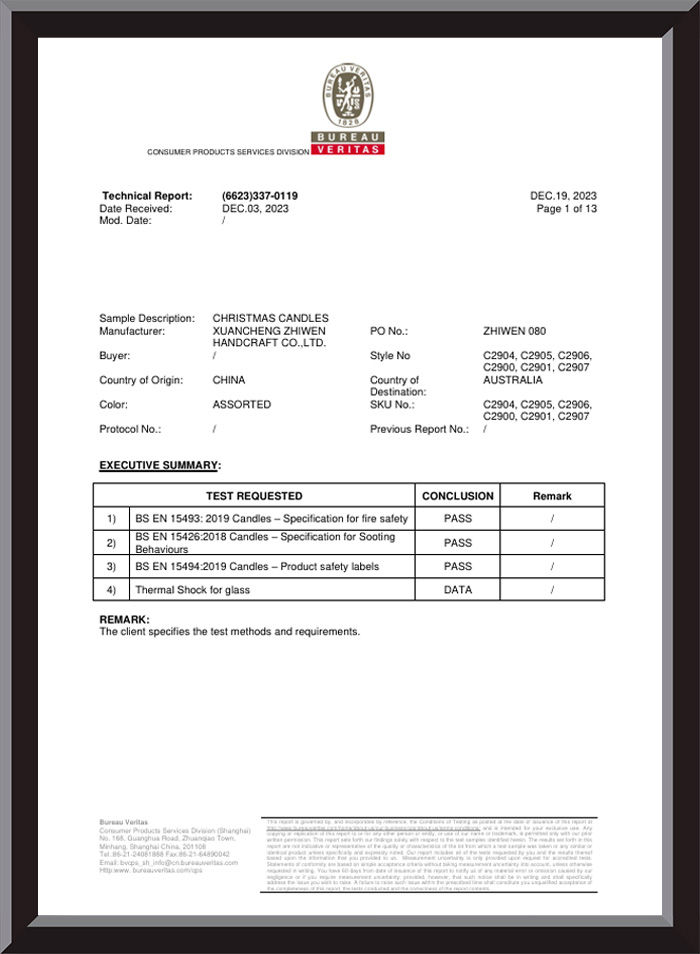
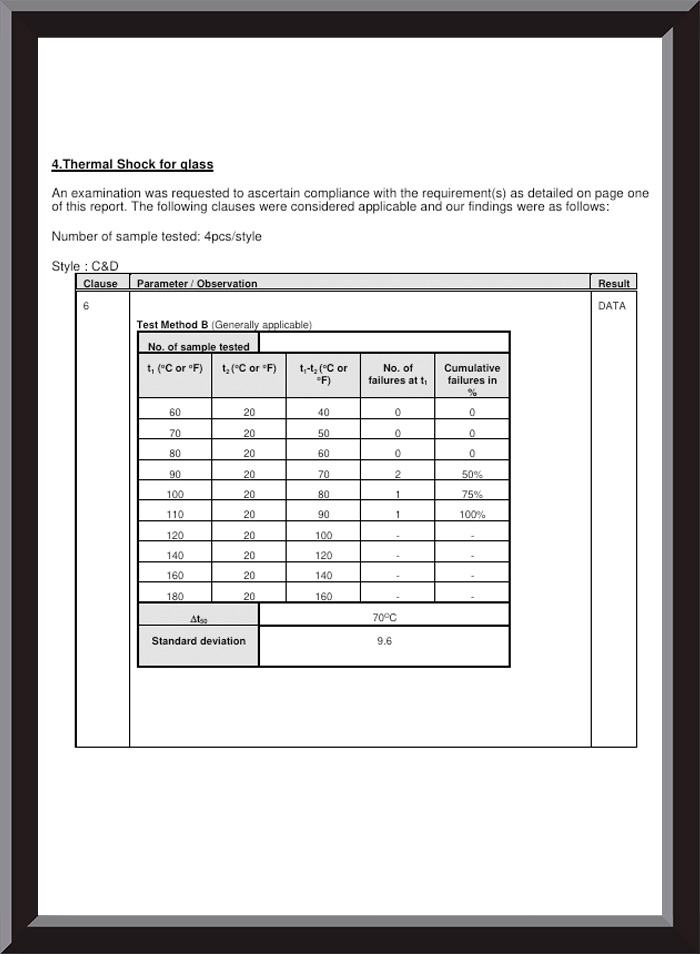
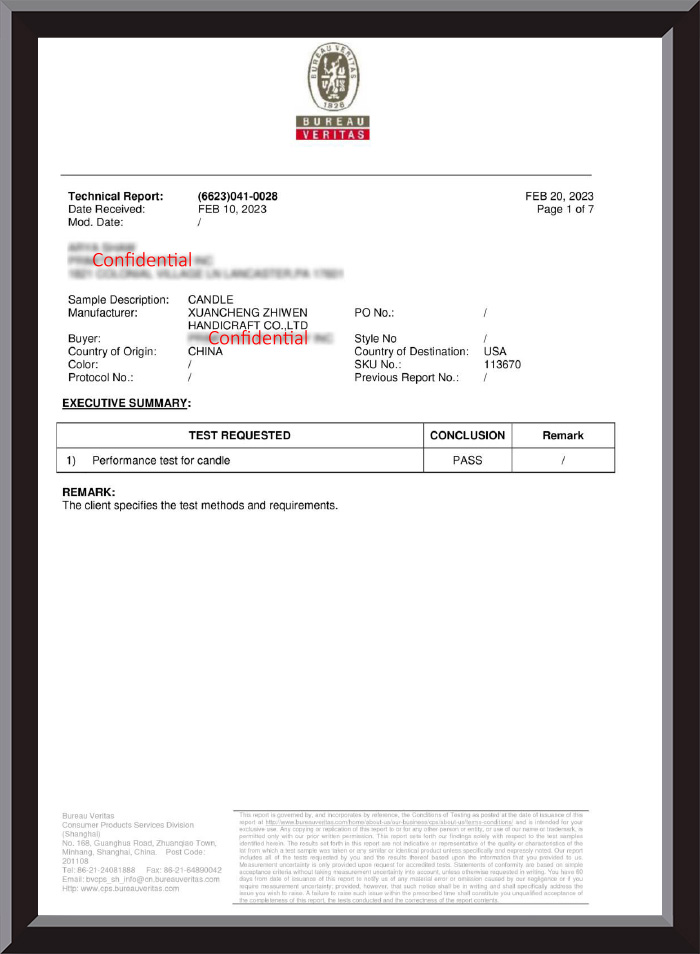
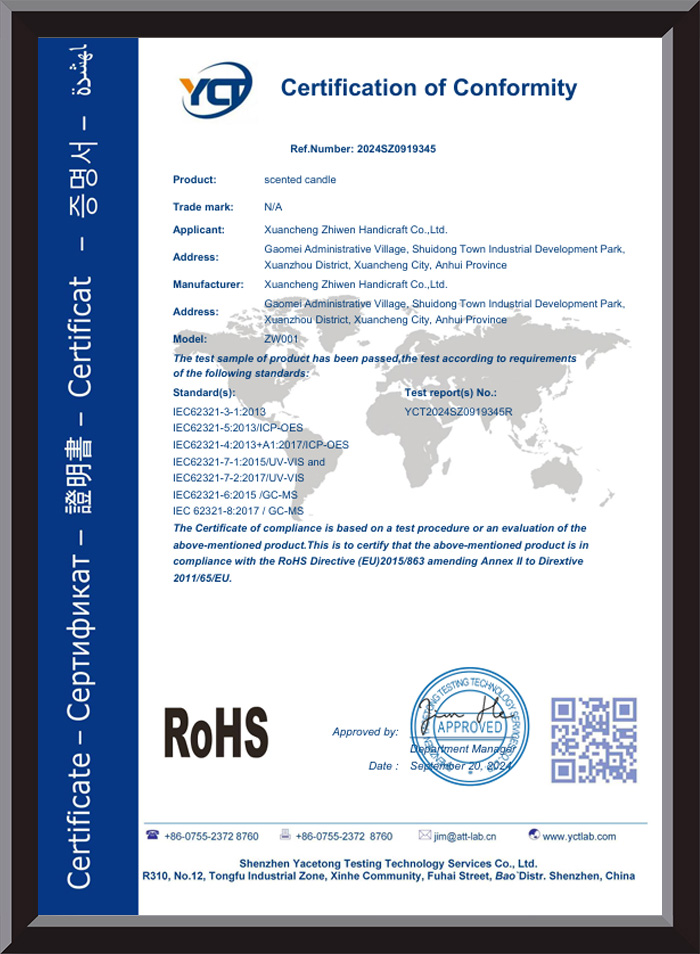
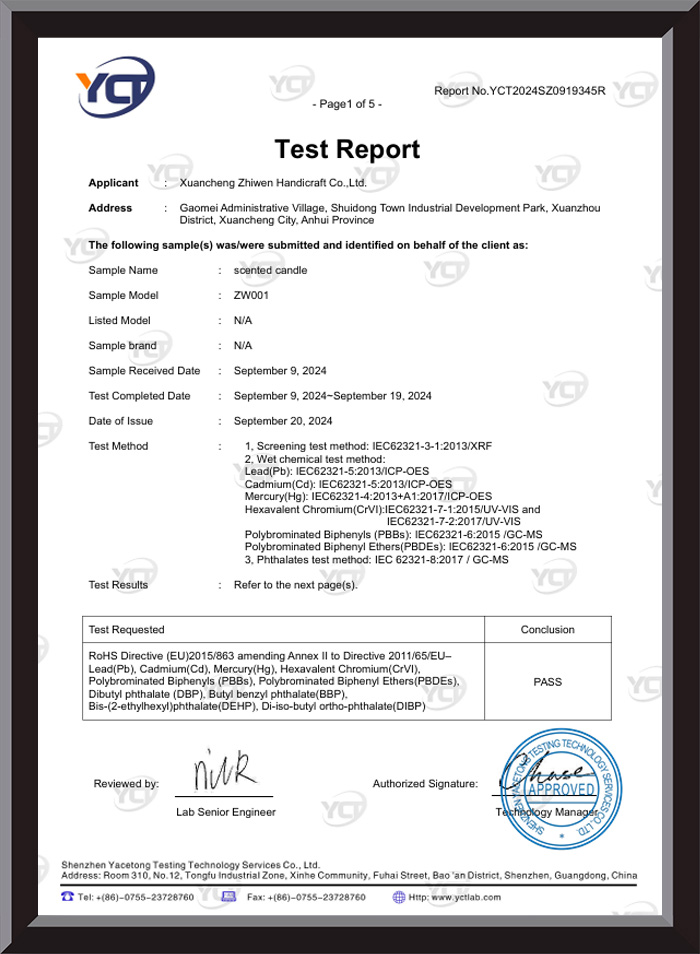
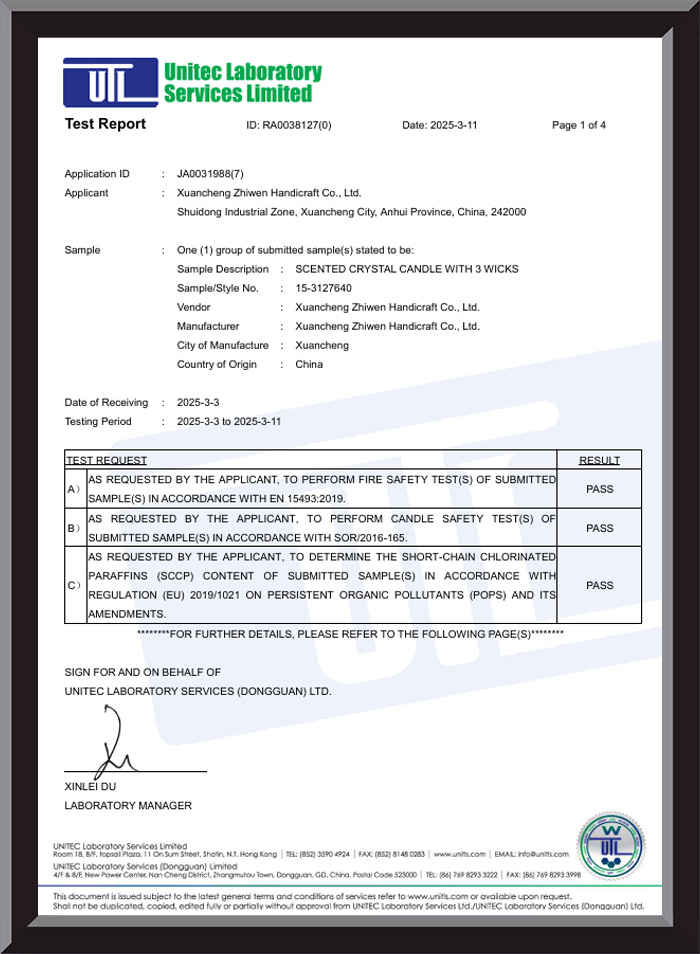
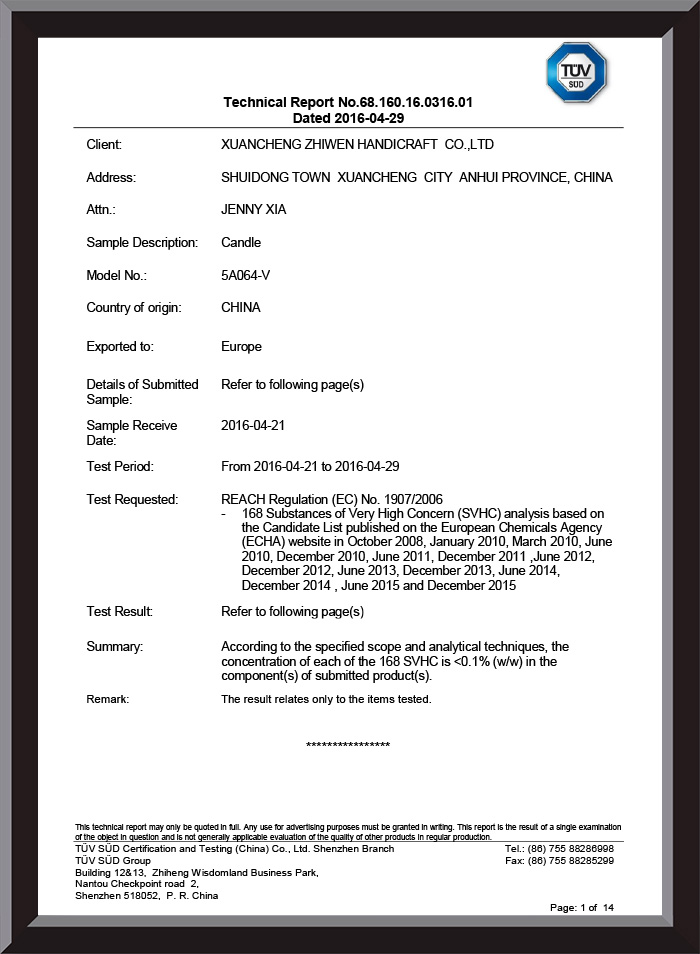
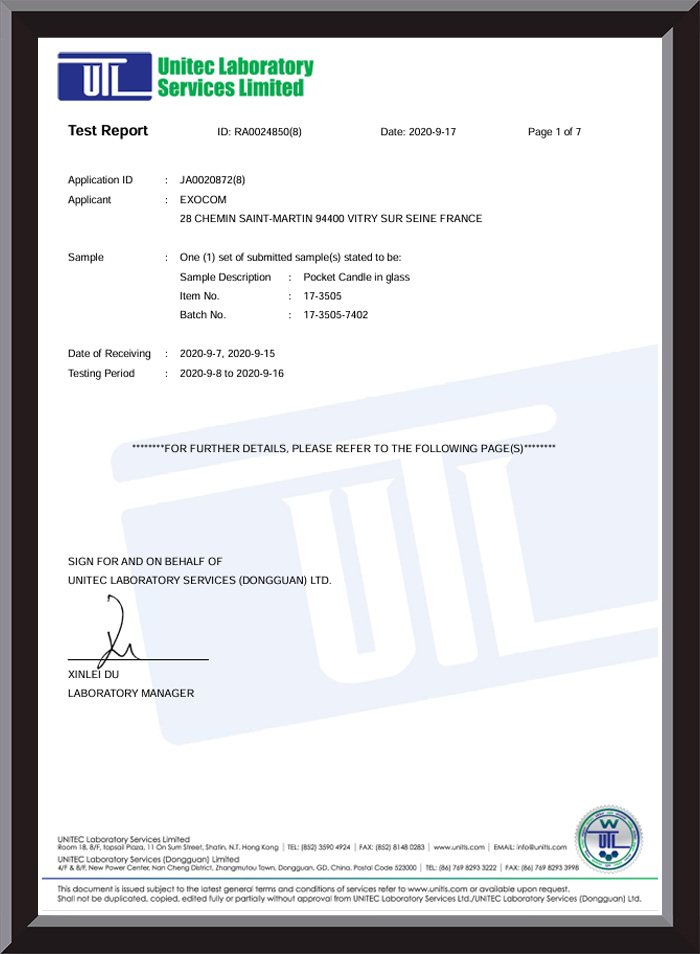
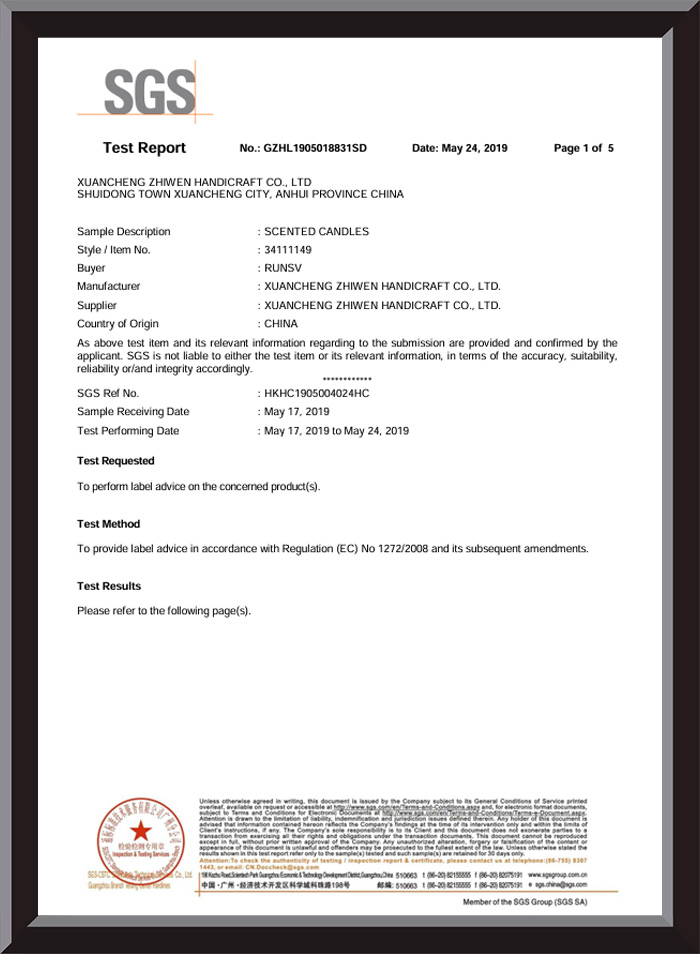
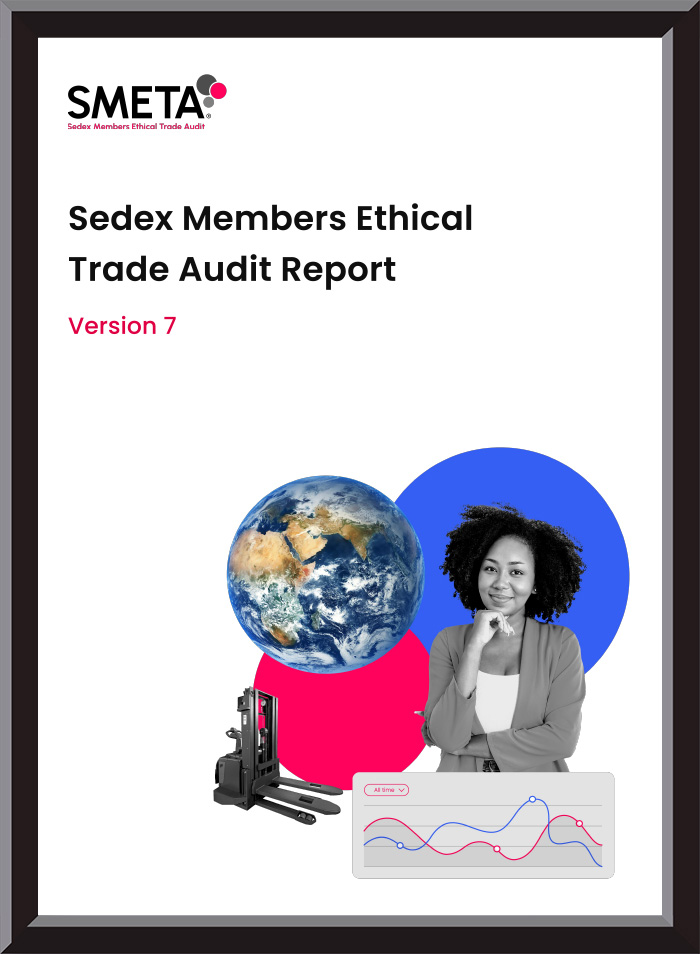
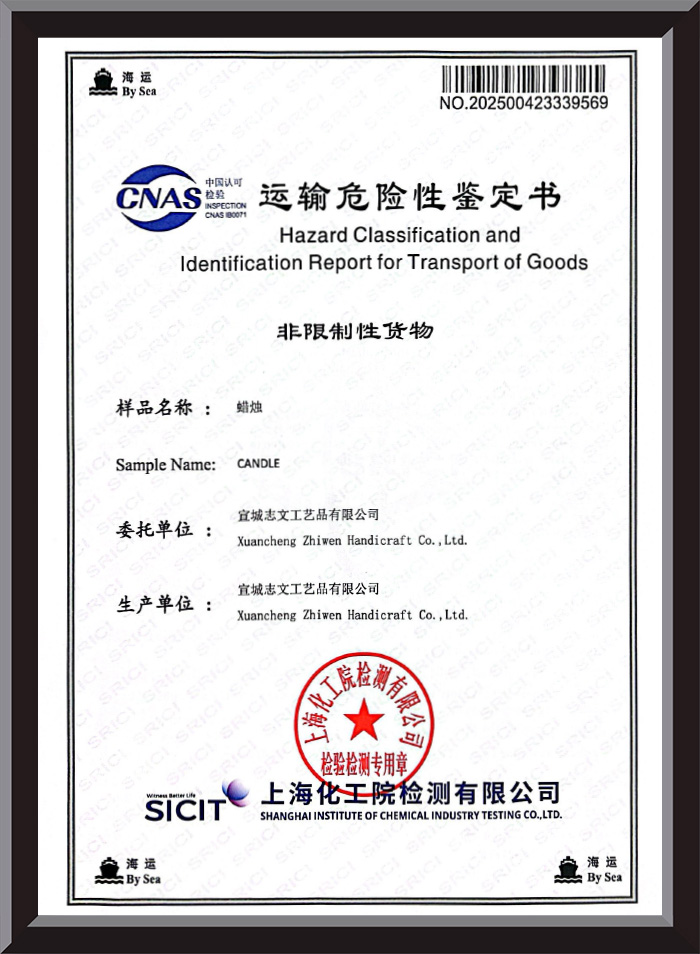

Plant-Based Wax Blends: Renewable & biodegradable soy/coconut/beeswax formulas—free
from paraffin and toxins.
Clean-Burning Wicks: 100% lead-free cotton cores for smoke-free, non-toxic flames.
Recyclable Packaging: Glass jars, tin containers & FSC-certified paper boxes designed for
zero-waste living.

Low-Waste Production: Wax remnants are upcycled, and imperfect items are ethically repurposed.
Energy-Smart Manufacturing: Solar-powered facilities reduce carbon emissions.
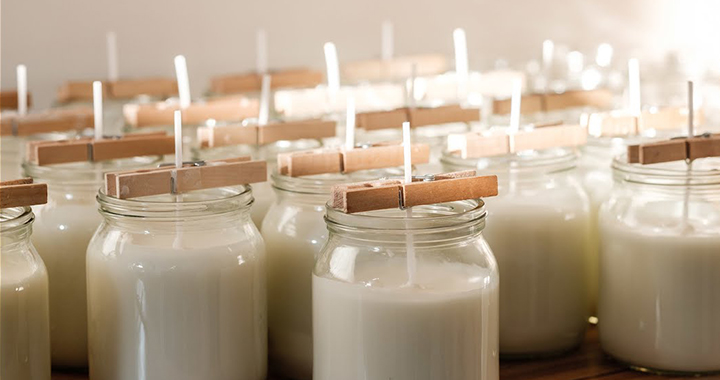
Visual Inspection: Ensuring flawless wax surfaces and scratch-free vessels.
Fragrance Test: Achieving a balanced scent without being overpowering.
Burn Trial: Delivering soot-free flames with consistent burn time.
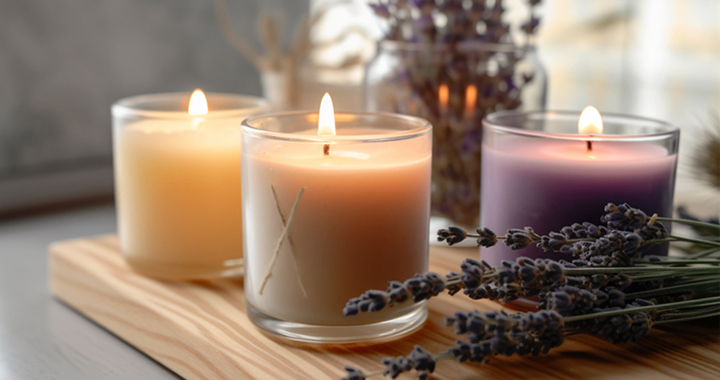
Vegan & Cruelty-Free: uses plant-derived dyes and fragrances without animal testing.
Fair Trade Ingredients: Sourcing ethically sourced essential oils that support global communities.
How to Evaluate Fragrance Performance in Christmas Candles
Fragrance performance should be assessed through both cold throw and hot throw. Cold throw describes how clearly a candle releases fragrance before lighting, while hot throw refers to scent diffusion after the wax pool forms. A strong cold scent does not always guarantee effective room-filling performance. For buyers, the more useful conclusion is whether the fragrance remains balanced, recognizable, and comfortable throughout the recommended burning period.
Match fragrance strength to the intended space
Christmas candles are commonly used in living rooms, dining areas, bedrooms, hotel spaces, and seasonal retail displays. Each environment requires a different fragrance intensity. A candle designed for a small bedroom may become overwhelming in close proximity, while the same formula may perform poorly in an open-plan living room. Buyers should therefore evaluate vessel diameter, fragrance load, wax type, wick system, and expected room size as one complete system.
| Fragrance Direction | Typical Impression | Suitable Use |
|---|---|---|
| Pine, fir, cedar | Fresh, woody, outdoors-inspired | Living rooms and seasonal displays |
| Cinnamon, clove, nutmeg | Warm, spicy, traditional | Dining areas and gift collections |
| Vanilla, caramel, baked notes | Sweet, comforting, familiar | Bedrooms and smaller rooms |
| Orange, cranberry, apple | Bright, fruity, festive | Retail sets and modern collections |
When developing private-label collections, we recommend testing fragrances in the final vessel rather than relying only on fragrance-oil samples. At Zhiwen, we can support repeated sampling and processing adjustments so buyers can compare scent diffusion under realistic conditions. The final candle configuration is more important than fragrance-load percentage alone.
Wick Selection, Wax Pool Control, and Seasonal Burn Testing
The wick determines more than whether a candle stays lit. It influences flame height, wax-pool diameter, fragrance release, soot formation, container temperature, and remaining wax at the end of use. Christmas candles may contain complex fragrance blends with spice, resin, vanilla, or citrus components, all of which can affect combustion. A wick that performs well in an unscented candle may behave differently after colorants and fragrance oils are added.
Useful points to verify during burn testing
- The flame remains stable without repeated flickering or excessive height.
- The wax pool expands gradually without overheating the container.
- The wick does not produce heavy mushrooming or visible smoke.
- Fragrance remains consistent from the first burn to the lower portion of the candle.
- An acceptable amount of wax remains after the final safe burn.
Testing should be completed in repeated burn cycles instead of one continuous session. A typical evaluation allows the candle to cool completely between burns, because wick behavior and wax-pool formation can change as the candle level becomes lower. Buyers should also review performance in normal indoor seasonal conditions. Cooler storage or room temperatures can influence wax hardness, ignition, and the time required to achieve a full melt pool.
A clean-looking first burn is not sufficient evidence of reliable full-life performance. Production approval should be based on testing across the candle’s usable life. With extensive equipment and process experience, we focus on helping customers identify practical wick and processing combinations before large-volume production.
Packaging Decisions That Reduce Seasonal Product Risk
Christmas candle packaging must protect the product while also supporting gifting, shelf presentation, labeling compliance, and international transportation. Seasonal designs often use metallic finishes, textured paper, decorative lids, ribbons, sleeves, or multi-candle gift boxes. These additions improve perceived value, but they can also create problems such as scratched vessels, loose labels, crushed corners, trapped fragrance, or inconsistent presentation after shipping.
Plan labeling around the actual container surface
Label adhesion depends on the vessel coating, surface curvature, label material, adhesive type, storage temperature, and application process. Frosted glass, painted glass, ceramic containers, and metal tins should not automatically use the same label specification. Buyers should request adhesion testing after the filled candle has cooled, because wax filling and temperature changes may affect the container surface.
Protect gift-ready appearance during transit
- Use internal supports that prevent the vessel from touching the outer box walls.
- Check whether decorative lids remain secure during vibration and inversion.
- Allow sufficient clearance for raised labels, wax seals, ribbons, or textured finishes.
- Test master cartons using the intended product quantity and shipping configuration.
Seasonal products have limited selling windows, so packaging delays or transit damage can have a larger commercial impact than they would for year-round products. Artwork, warning labels, carton markings, sample approval, and packaging tests should therefore be completed early. Zhiwen supports labeling and processing services for overseas candle programs, helping buyers coordinate presentation requirements with production feasibility. For Christmas candles, early packaging validation is one of the most effective ways to reduce launch risk.
Get in touch: [email protected]
Copyright © Xuancheng Zhiwen Handicraft Co., Ltd.
