 English
 Français
 Deutsch

Are Diffusers Better Than Candles? A Practical Home Fragrance Comparison
Content
- 1 The Short Answer, Without the Sales Pitch
- 2 How Each Format Actually Releases Fragrance
- 3 A Side-by-Side Comparison
- 4 Scent Strength, Coverage, and Control
- 5 Safety, Children, and Small Rooms
- 6 Cost Over Time and Everyday Upkeep
- 7 Ambience and Gifting: the Part Diffusers Cannot Copy
- 8 Room by Room: Where Each One Belongs
- 9 Using Both Together
- 10 What This Means If You Are Sourcing for a Brand
- 11 The Honest Verdict
Walk down any home fragrance aisle and you will see the same quiet rivalry: candles on one shelf, diffusers on the next, both promising a better-smelling room. So are diffusers better than candles? After more than twenty years of making scented candles and reed diffusers for brands around the world, our honest answer is that the question is slightly the wrong shape. Neither format is the newer, better version of the other. They release fragrance in different ways, at different speeds, for different moments, and most homes end up happier with a bit of both.
Here is how the two compare in real use, from scent strength and safety to cost and the small rituals that make a room feel finished.
The Short Answer, Without the Sales Pitch
Diffusers are better for continuous, hands-off scenting. Once you set one up, it keeps working quietly in the background — no flame, no supervision, no remembering to put it out before you leave.
Candles are better for everything that involves atmosphere. The warm light, the flicker, the way the scent arrives in a wave when the wax pool opens up — that is a different experience from a diffuser, not a weaker one.
A simple way to decide: if you want the room to smell pleasant when you walk in without thinking about it, choose a diffuser. If you want the room to feel different — a dinner, a long bath, the last hour before bed — choose a candle.
How Each Format Actually Releases Fragrance
Candles Put Heat to Work
Candle fragrance rides on warmth. Once the wick is lit, the melt pool forms, the wax heats up, and fragrance oils evaporate into the air. That heat-driven release is why a candle can change a room quickly, often within fifteen to twenty minutes, and why the throw shifts as the burn goes on.
Wax type, wick size, jar diameter, and fragrance load all shape the result. Soy and other vegetable waxes tend to release more gently and slowly; a wide jar with a single wick sometimes struggles to reach the edges, so the melt pool stays narrow and the scent stays small. Good candle making is largely a matter of balancing these details, which is why two candles with the same scent name can behave completely differently.
Diffusers Release Slowly and Steadily
Reed diffusers need no heat at all. Fragrance oil travels up the reeds through capillary action and evaporates from the surface, giving a low, even background scent that can last for weeks or even months depending on the format and fill volume.
Crystal aroma diffusers work on a similar principle with a different carrier: porous stones absorb the oil and release it gradually, which makes them easy to place on a shelf, bedside table, or bathroom counter. Electric and waterless diffusers sit at the other end of the spectrum — more adjustable and more powerful, but they need power, occasional cleaning, and a little more attention.
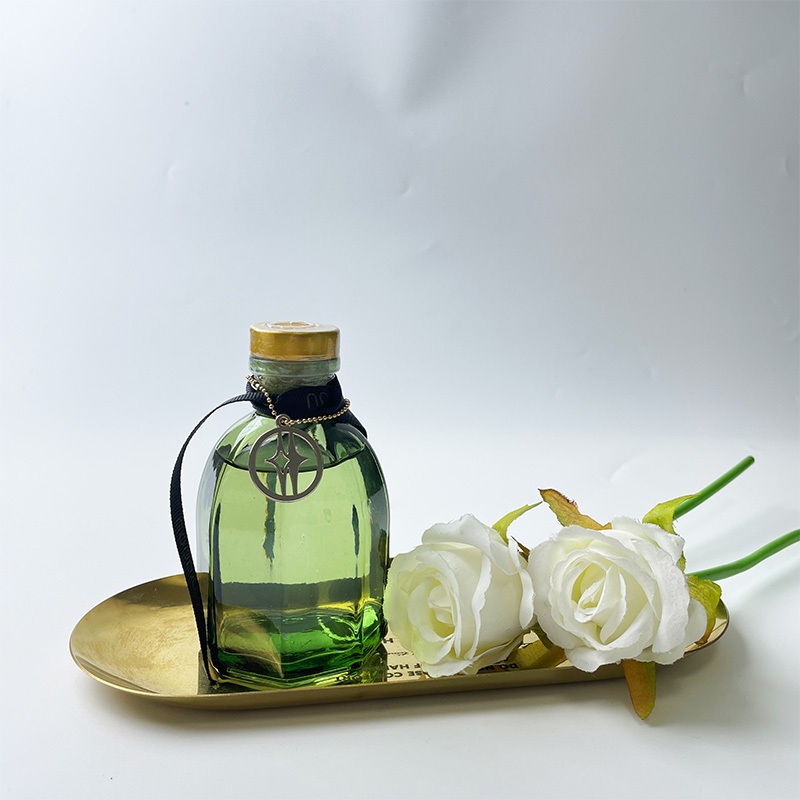 Indoor Reed Diffuser for Bedroom Sleep and RelaxationA flameless reed diffuser using natural essential oils and reeds to release calming fragrance slowly for bedside relaxation and overnight sleep support.View Product →
A Side-by-Side Comparison
| Factor | Scented Candle | Diffuser |
|---|---|---|
| Scent release | Heat-driven, faster and stronger | Passive or powered, slower and steady |
| Coverage | Small to medium rooms, strongest nearby | Gradual spread, suits hallways and open-plan spaces |
| Typical duration | 30 to 60 hours of burn time | 4 to 12 weeks per fill |
| Control | Immediate: light it, blow it out, trim the wick | Adjust by adding or removing reeds, or switching on |
| Safety profile | Open flame, needs supervision | Flame-free, but oils need care around pets and children |
| Upkeep | Trim the wick, keep the melt pool clean | Flip the reeds, refill, keep the bottle dust-free |
| Best for | Atmosphere, ritual, gifting | Background scent, low effort, everyday consistency |
Scent Strength, Coverage, and Control
Candles win on peak strength. A well-made candle in a modest bedroom can scent the space within minutes, and you decide exactly when that happens. The trade-off is that fragrance fades once the flame is out, and that performance depends heavily on burn habits — a candle left to tunnel never gives you its full throw.
Diffusers win on consistency. They do not hit the same high note, but they hold a steady middle note all day. In large or open-plan rooms, one diffuser often is not enough, and placement matters more than volume: a hallway or a spot near a return air vent will carry scent further than a corner. If you want to adjust intensity, remove a few reeds to slow the release or flip them to refresh it.
Safety, Children, and Small Rooms
An open flame deserves respect. Keep candles out of reach of children and curious pets, away from curtains and draughts, and never leave one burning in an empty room or overnight. Trim the wick to about a quarter inch before each burn and let the wax cool completely before moving the vessel — glass can stay hot far longer than people expect, and it is always worth checking the jar for cracks, as we cover in our notes on the safety of glass jar candles after use.
Diffusers remove the flame risk, which makes them the easier choice in busy households, shared offices, and rooms where people fall asleep. That said, reed diffuser oils are concentrated and should be kept away from pets and small hands, and bottles should sit somewhere they will not be knocked over. No format is completely carefree; both simply ask for different kinds of attention.
Cost Over Time and Everyday Upkeep
Comparing sticker prices is misleading. A candle is usually cheaper per purchase but finite; a diffuser costs more upfront and then works for weeks. Per hour of scent, the two often land closer than people assume, especially once you factor in refills.
Candle upkeep is small but constant: trim, burn long enough to melt the surface, keep dust off the wax, and stop when half an inch of wax remains. Diffuser upkeep is even smaller but less visible: flip the reeds once a week, rotate the bottle occasionally, and replace the reeds when they clog. Both reward a little routine.
Ambience and Gifting: the Part Diffusers Cannot Copy
A diffuser decorates a shelf. A candle changes a room. Candlelight softens faces and walls, marks the end of a working day, and gives a dinner table a centre it did not have before. That is why candles remain the default gift for housewarmings, holidays, and thank-yous, and why seasonal formats — pumpkin shapes, gift-boxed sets, printed tins — keep selling year after year. If you are planning a range around a specific season, our guide to holiday scented candles walks through how scents, formats, and sourcing decisions fit together.
Diffusers have their own quiet appeal — clean lines, no soot, nothing to relight — and crystal formats in particular have become popular as decorative objects in their own right. But they rarely carry the same emotional weight as a lit wick.
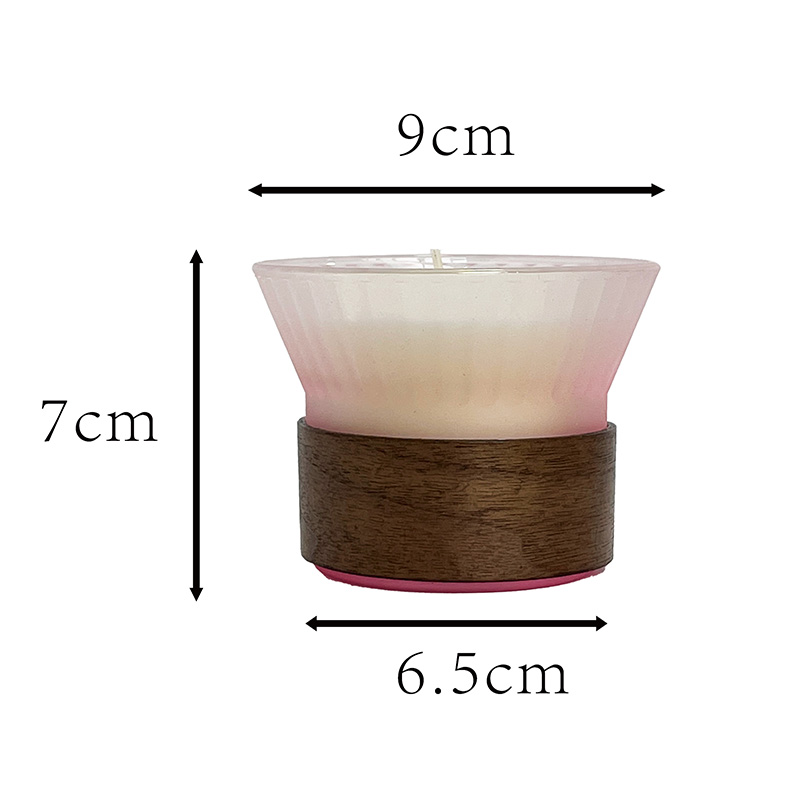 Natural Soy Wax Scented Candle for Home AmbianceA soy wax candle with cotton wick and woodland post-rain scent, offering a soft, layered atmosphere for reading, meditation, or gifting.View Product →
Room by Room: Where Each One Belongs
- Bedroom: a diffuser for steady overnight background scent, a candle for the wind-down hour before sleep.
- Living room or open plan: diffusers as the baseline, candles in the evening when people are actually in the room.
- Bathroom and hallway: reed diffusers, thanks to the flame-free, hands-off convenience.
- Dining table: candles only, for the drama of a lit centrepiece.
- Home office: a diffuser or crystal stone setup, so you never have to think about a flame mid-call.
- Guest room: a lightly scented diffuser, or a small candle with a box of matches left in view.
Using Both Together
Many of our clients' customers do exactly this, and it works beautifully. The trick is layering rather than competing:
- Choose one scent family — say, woody amber or fresh citrus — and stay within it.
- Set the diffuser as the base layer, using fewer reeds in small rooms.
- Light the candle twenty to thirty minutes before you want the room to peak.
- Keep a window cracked or the room ventilated so the two do not become heavy.
- Rotate scents seasonally so neither format becomes background noise you stop noticing.
What This Means If You Are Sourcing for a Brand
From a manufacturing point of view, the answer to the diffuser-versus-candle question is rarely either-or. Retailers who stock both tend to see steadier category sales, because diffusers catch the practical shopper and candles catch the gift buyer. That is why our own range covers jar candles, pillar and tin formats, wax melts, reed diffusers, and crystal aroma diffusers, with container, wax, wick, fragrance, and packaging decisions all made in one place.
If you are building a range, start with the moment you are selling into — a nightly routine, a holiday table, a hotel room — and let that decide the format. The material choices follow more easily after that.
 Bell Jar Essential Oil Diffuser with Colored Aroma StonesA decorative bell-jar diffuser with colored crystals that absorb essential oils and release calming scent for bedrooms, gifts, or spa spaces.View Product →
The Honest Verdict
Are diffusers better than candles? For constant, low-effort, flame-free fragrance, yes. For warmth, atmosphere, and the small ceremony of lighting something, no — candles still have no real substitute. The homes that feel best scented are usually the ones that stopped treating it as a contest and gave each format the job it does well.
-
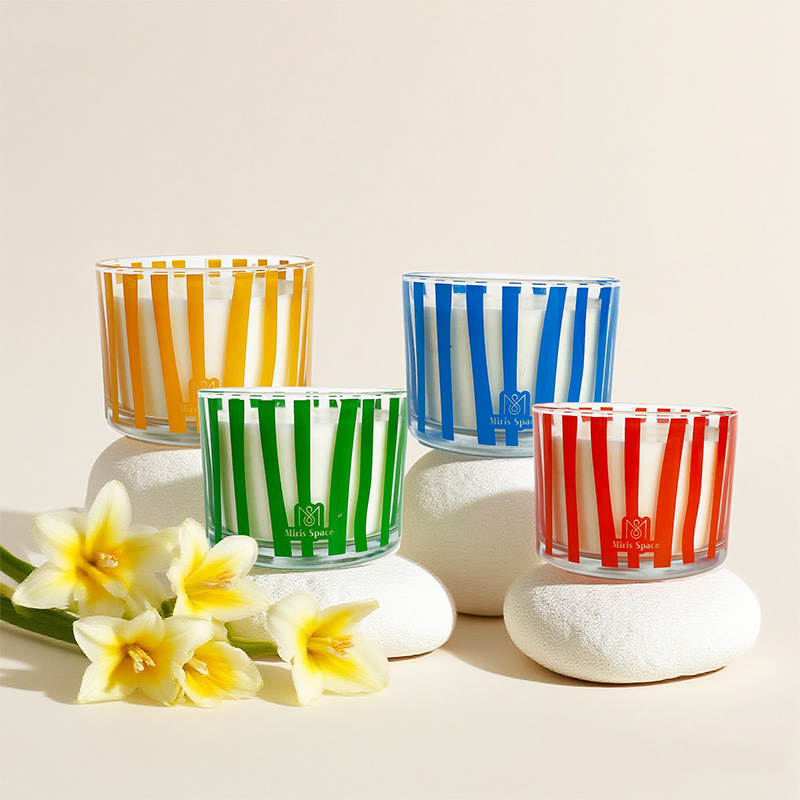 Colorful Stripe Scented Candle Home Use Indoor Long-Lasting Fragrance Natural Soy Wax
-
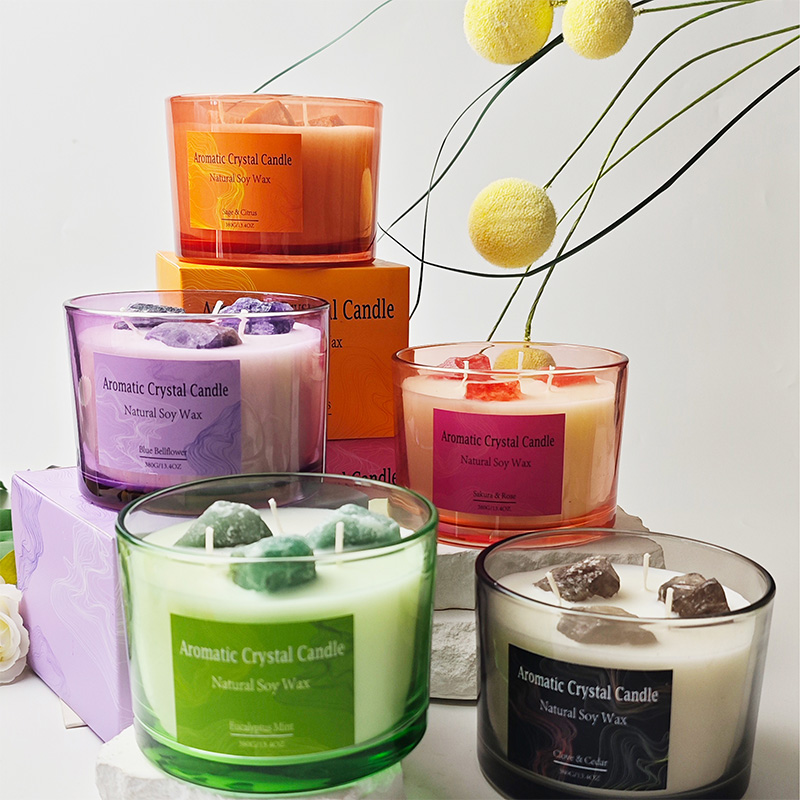 Colored Crystal Healing Scented Candle for Home Use, Long-Lasting Fragrance with Natural Soy Wax
-
 Romantic Gradient Natural Ambiance Scented Candle with Long-Lasting Fragrance, Soy Wax
-
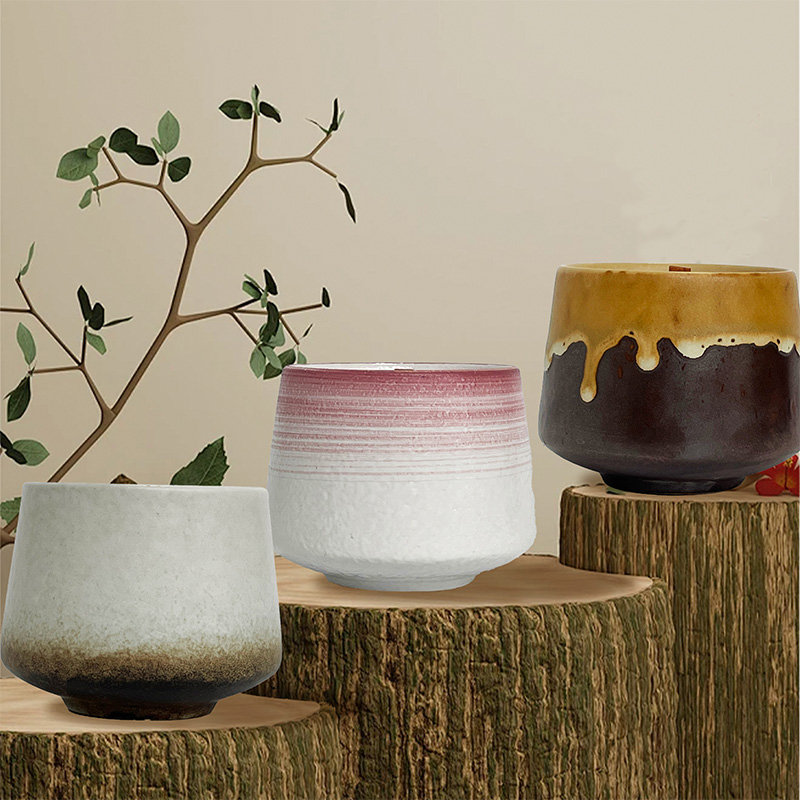 Artistic Romantic Niche Scented Candle with Pure Natural Soy Wax
-
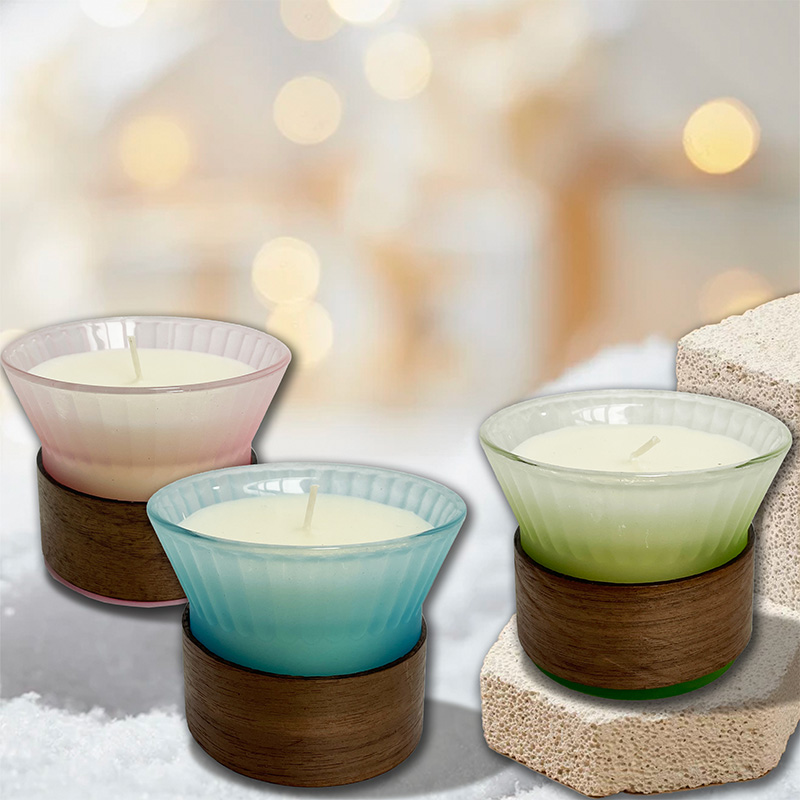 Natural Soy Wax Niche Scented Candle for Home Use, Long-Lasting Fragrance Gift
-
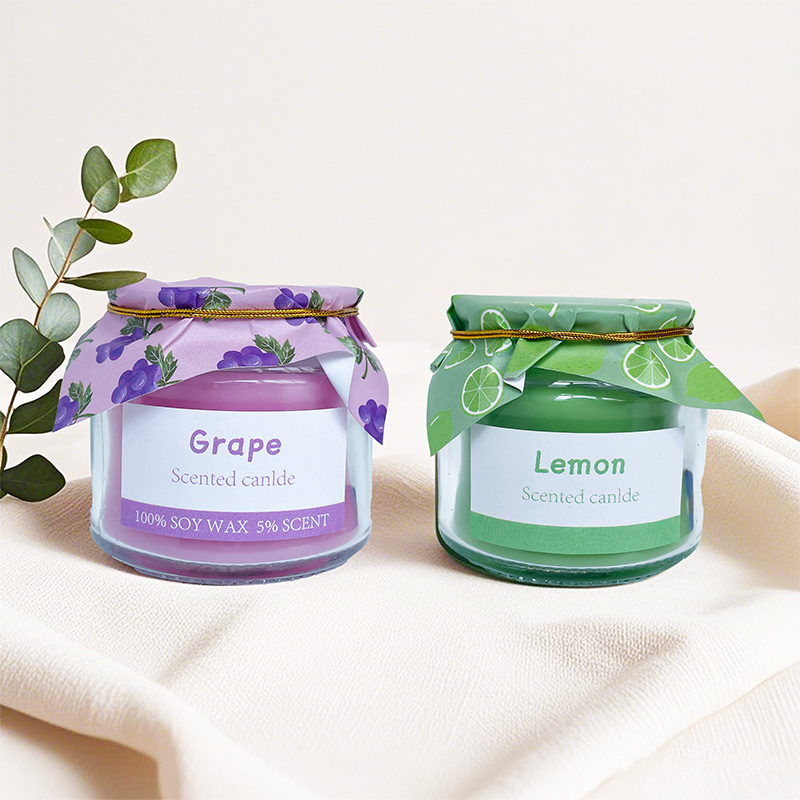 Glass Jar Fruit Scented Candle – Natural Soy Wax, Custom Logo Available
Get in touch: [email protected]
Copyright © Xuancheng Zhiwen Handicraft Co., Ltd.
