 English
 Français
 Deutsch
-
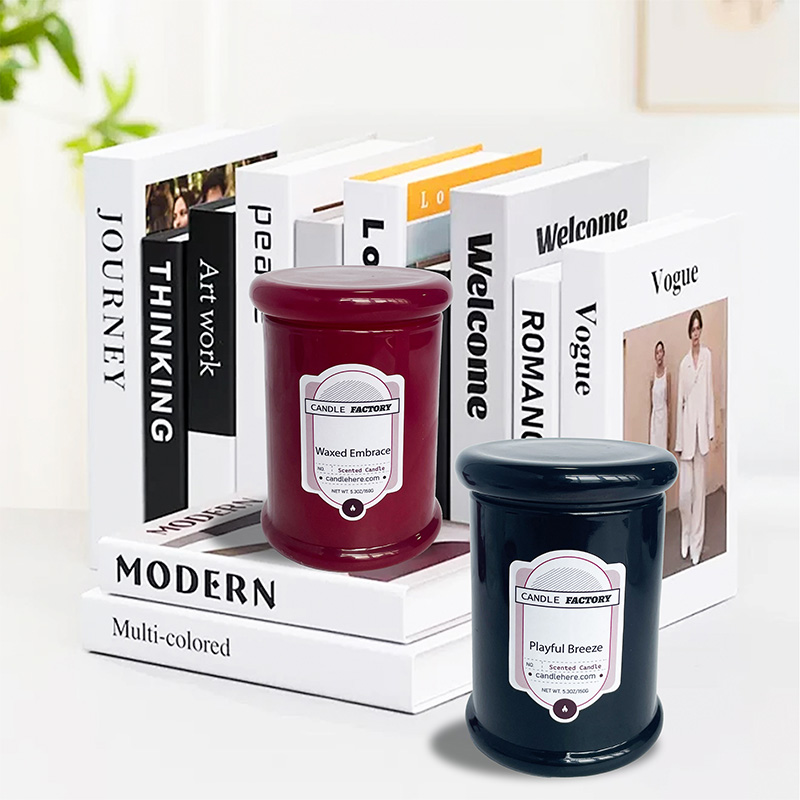 Simple Jar Scented Candle Home Use Indoor Long-Lasting Fragrance Custom Logo
-
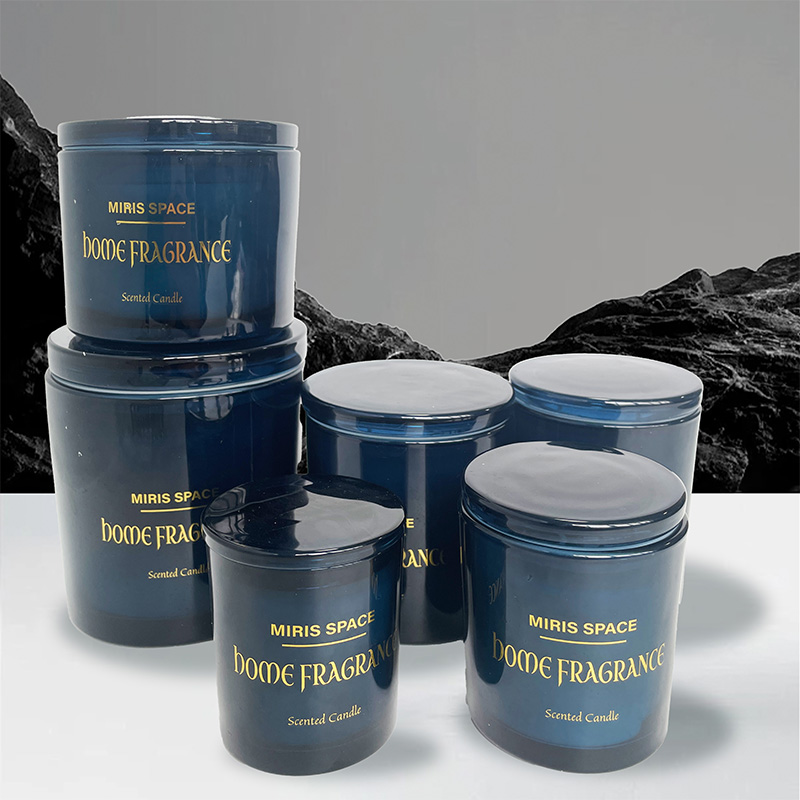 Multi-Size Simple Dark Jar Scented Candle Soy Wax
-
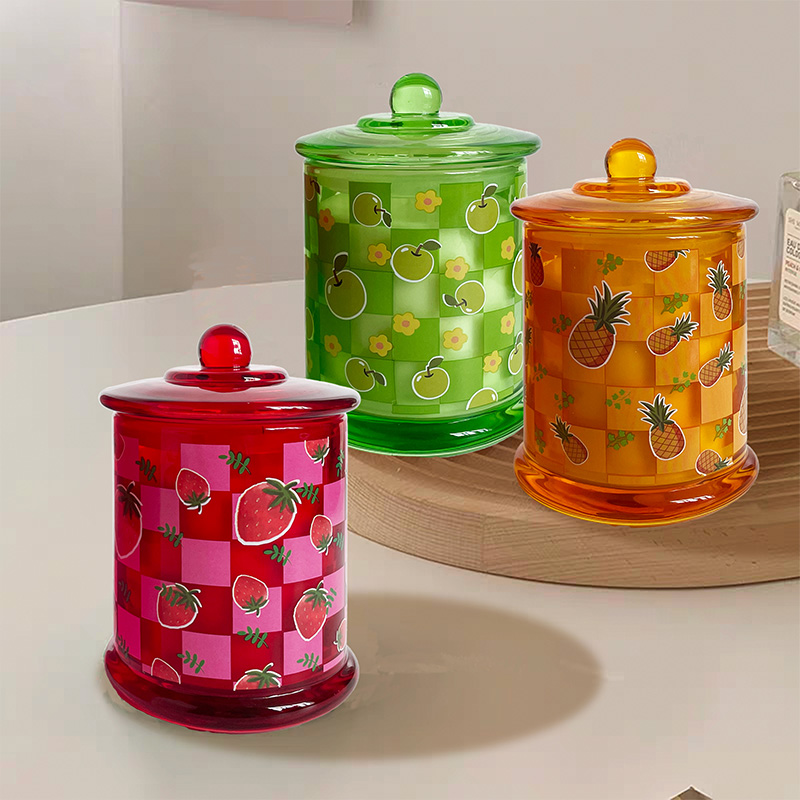 Fruit Tea Canister Scented Candle Gift Long-Lasting Fragrance Cotton Wick Soy Wax
-
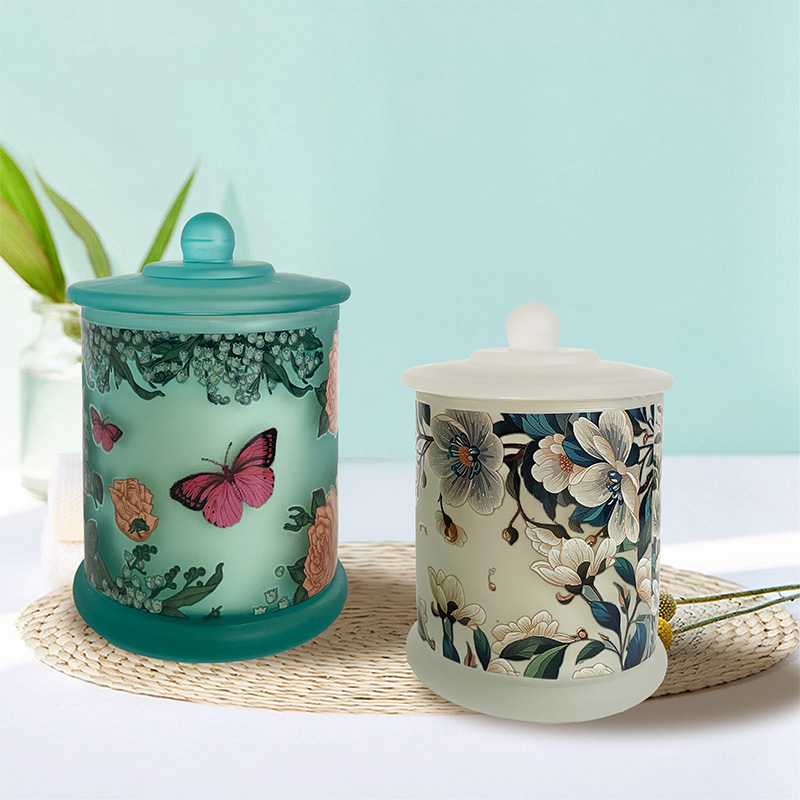 Chinese Flower And Bird Tea Canister Scented Candle Gift Natural Soy Wax
-
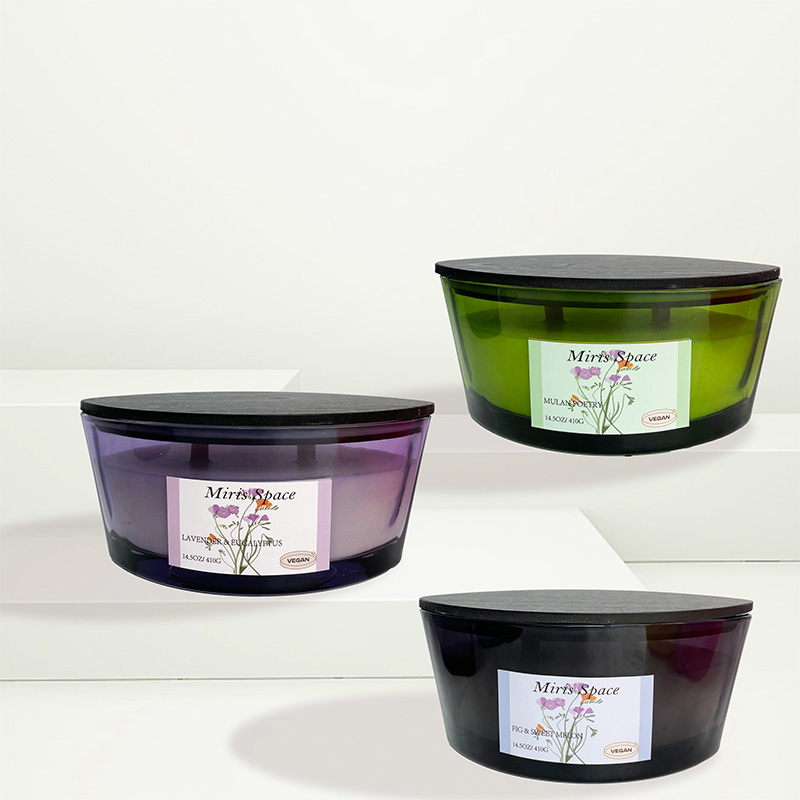 Boat-Shaped Lidded Jar Scented Candle Pure Natural Soy Wax Custom Logo
-
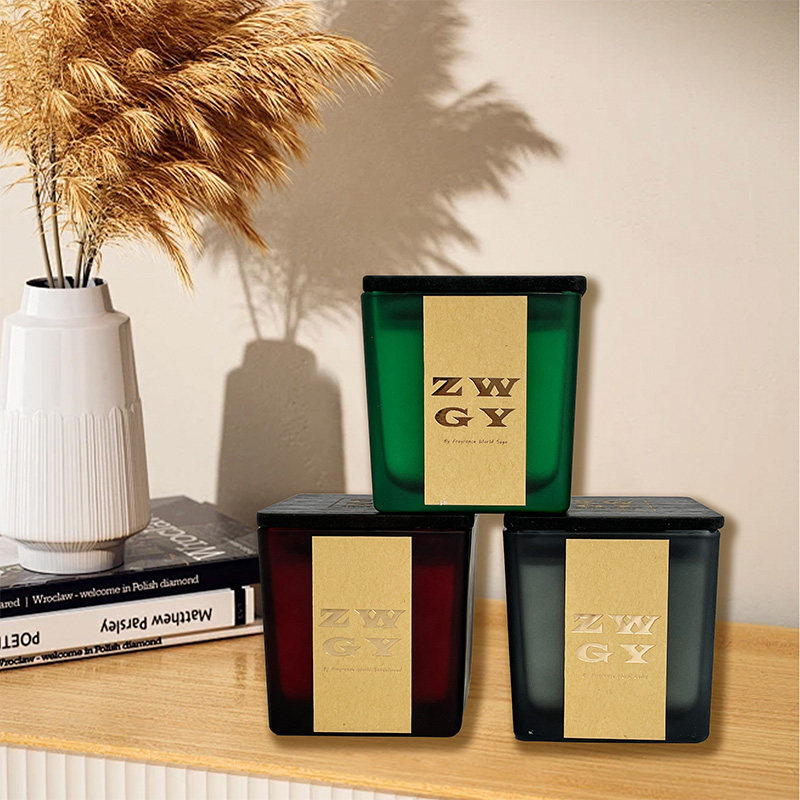 Square Carved Wooden Lid Jar Scented Candle Custom Logo
-
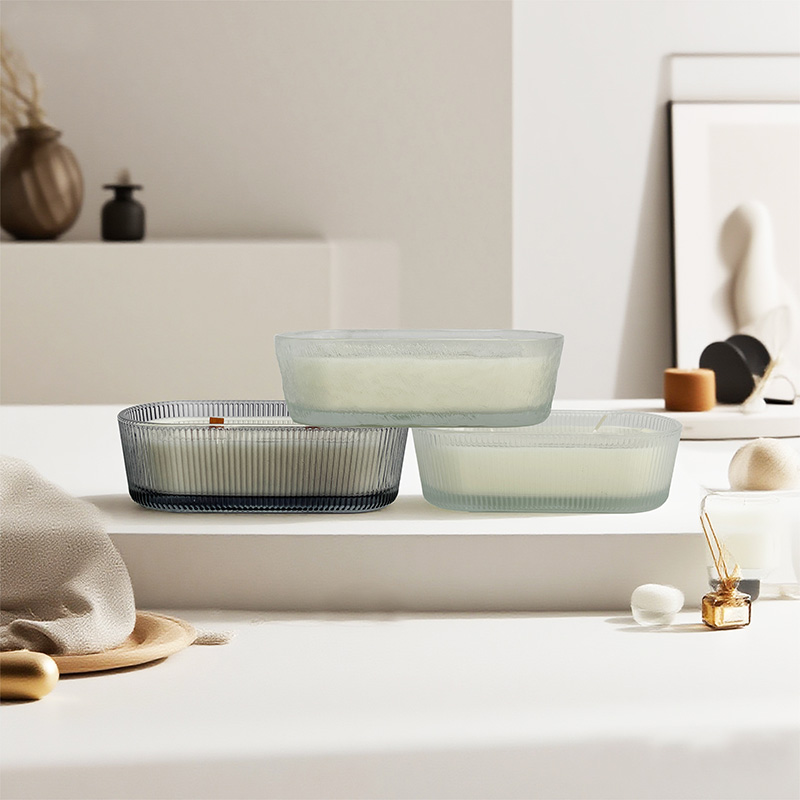 Boat-Shaped Vertical Stripe Simple Scented Candle Pure Natural Soy Wax
-
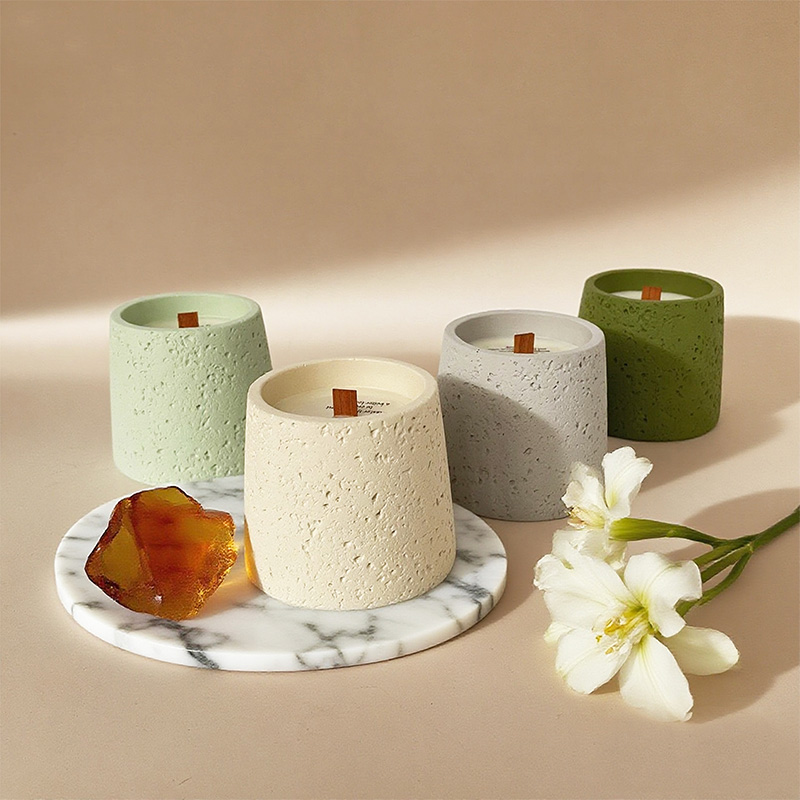 Cement Texture Simple Niche Jar Scented Candle Soy Wax
-
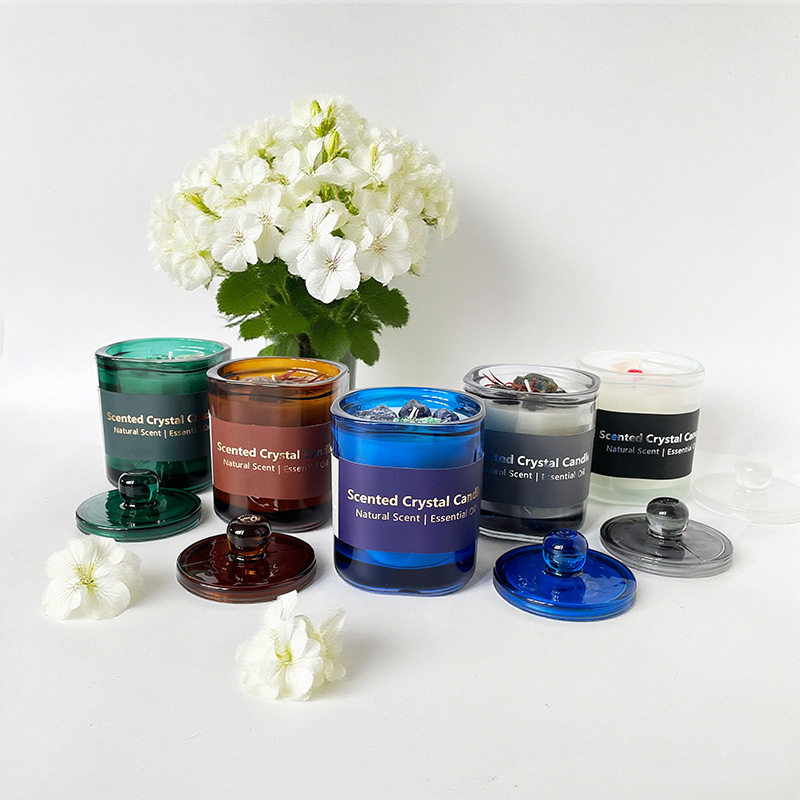 Healing Aromatic Crystal Jar Scented Candle Gift Natural Soy Wax
-
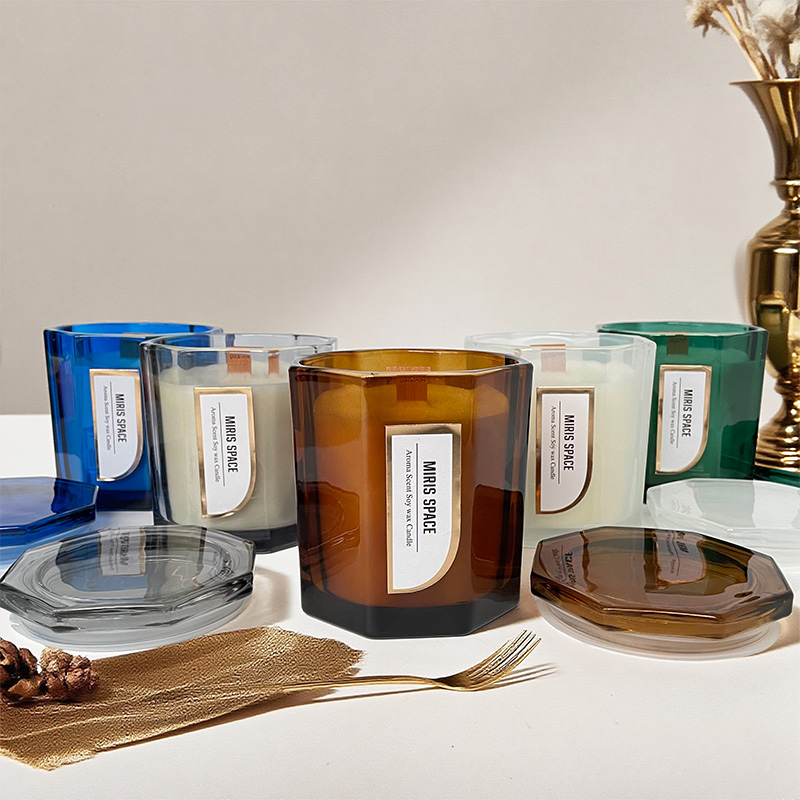 Octagonal Simple Gold Foil Label Jar Scented Candle Natural Soy Wax
-
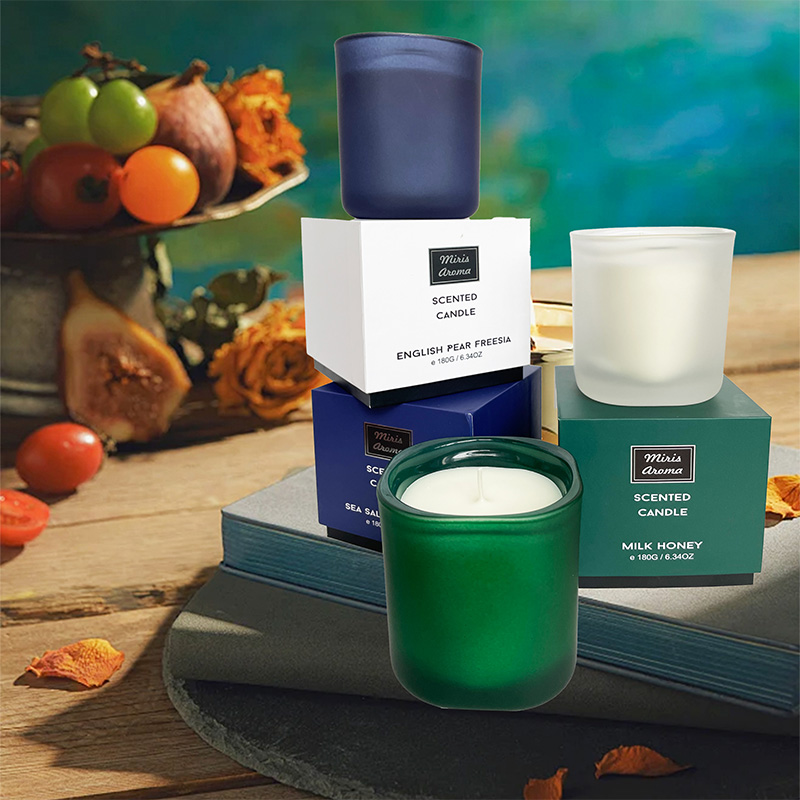 Textured Gift Box Frosted Jar Scented Candle Custom Logo Cotton Wick
-
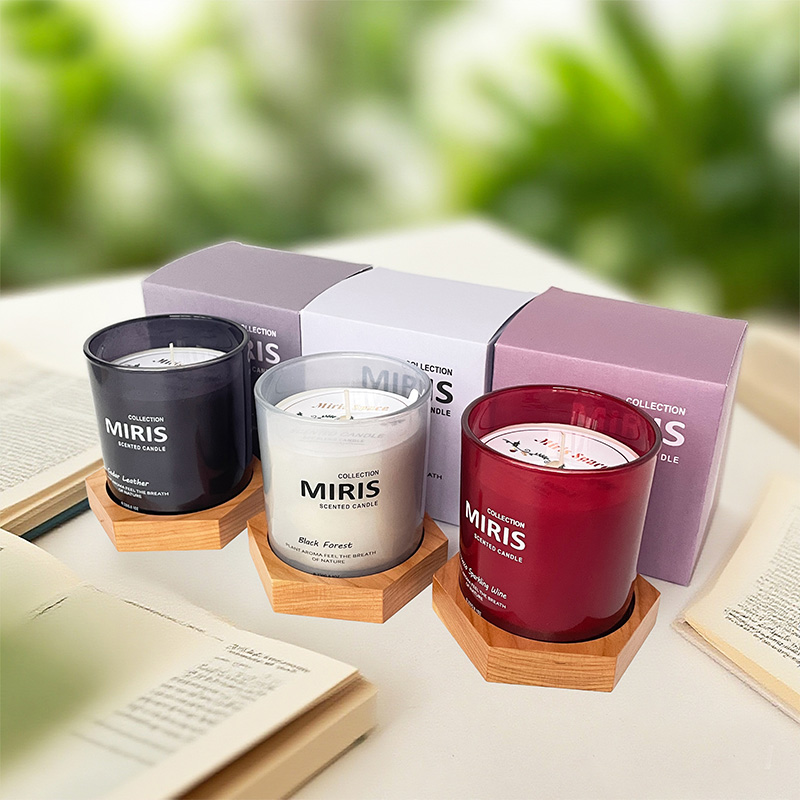 Colored Print Jar With Wooden Base Scented Candle Soy Wax Custom Logo
-
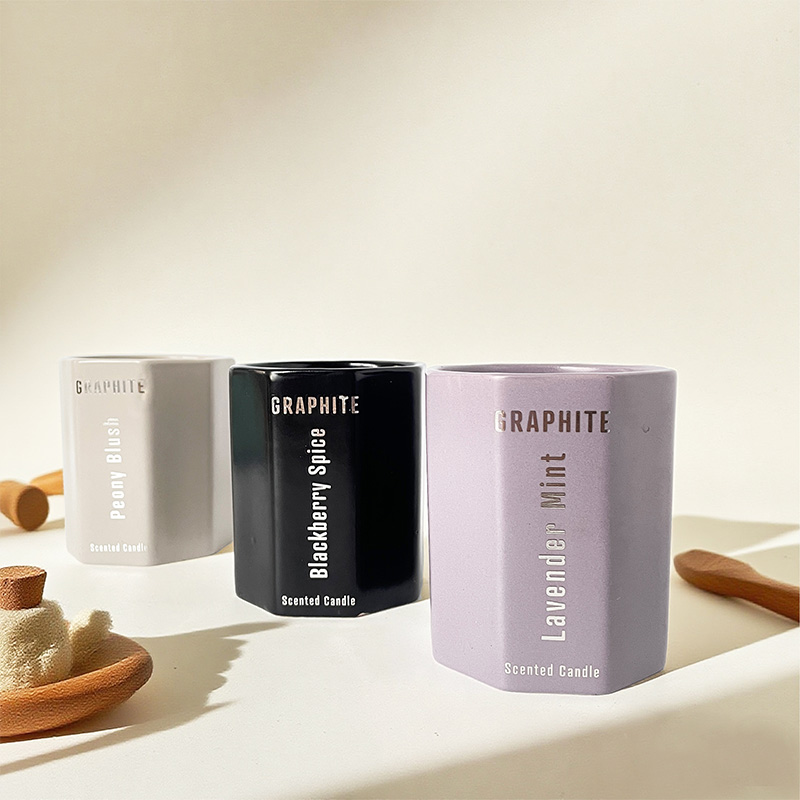 Polygonal Silver Foil Print Jar Scented Candle Custom Logo Soy Wax
-
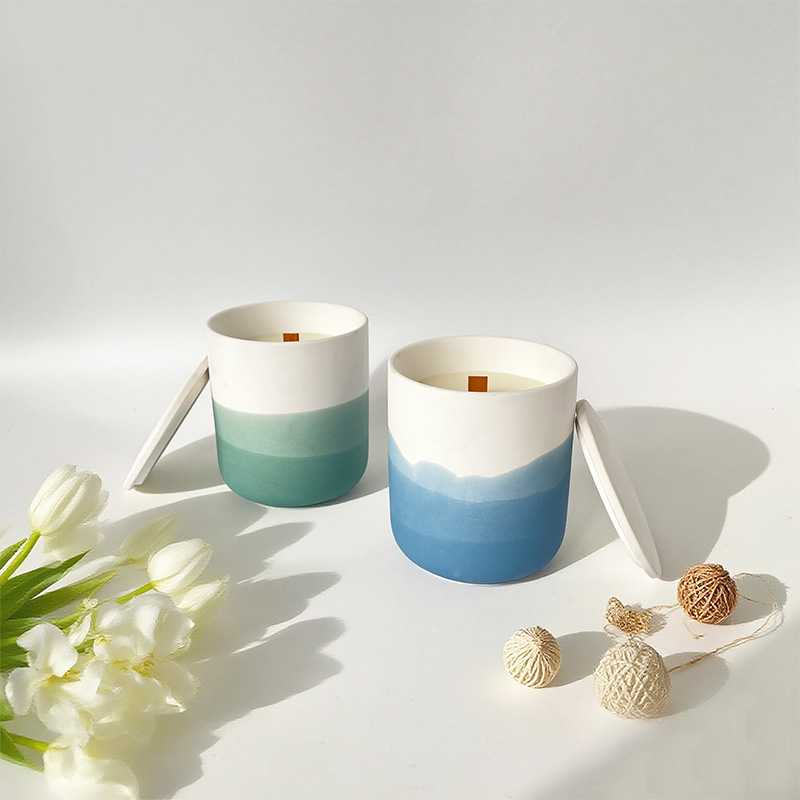 Lidded Ceramic Gradient Jar Scented Candle Pure Natural Soy Wax
-
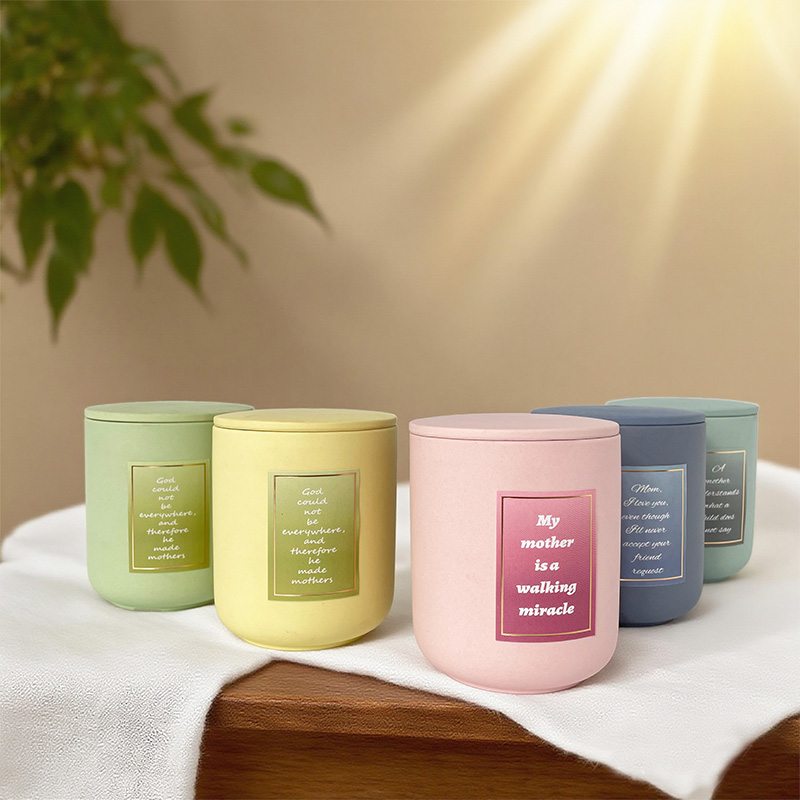 Morandi Color Scheme Niche Lidded Jar Scented Candle Soy Wax
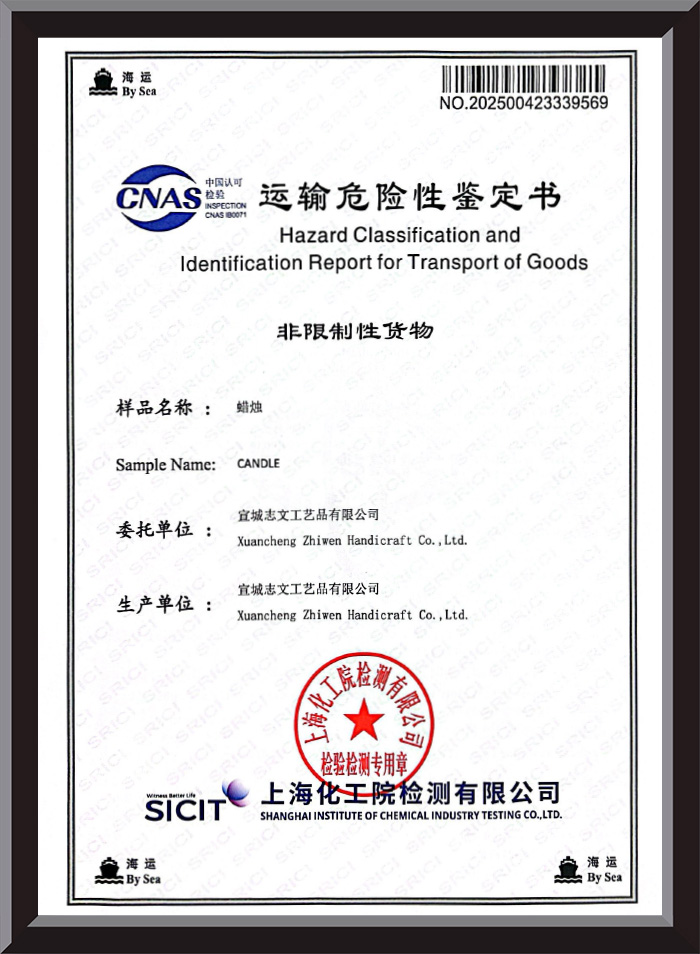
Founded on April 21, 2004, Xuancheng Zhiwen Handicraft Co., Ltd. is a high-tech enterprise specializing in the production of scented candles. Zhiwen Handicraft has a professional R&D and sales team, mainly providing labeling and processing services for scented candles for overseas markets. Glass Jar Candle Manufacturers and Ceramic Jar Candle Factory in China. From sustainably sourced ingredients to rigorous quality control, every step meets global environmental and safety standards. From Sketch to Shelf-We specialize in co-creating unique selling points with brands, delivering one-stop fragrance design solutions that bring your vision to life! Wholesale Glass Jar Candle. The company serves customers in more than 30 countries and regions.
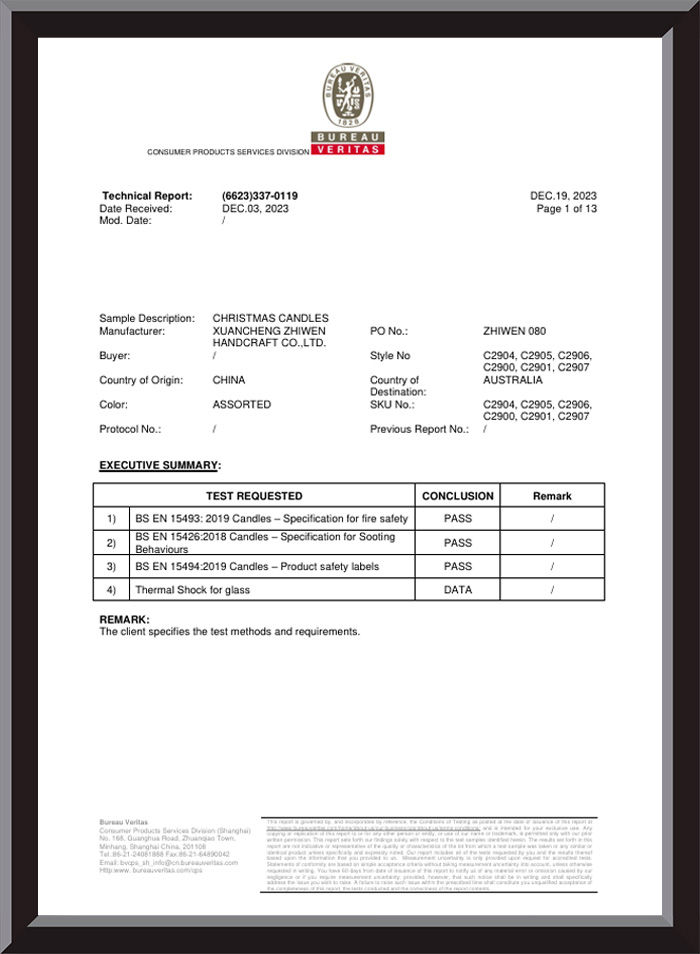
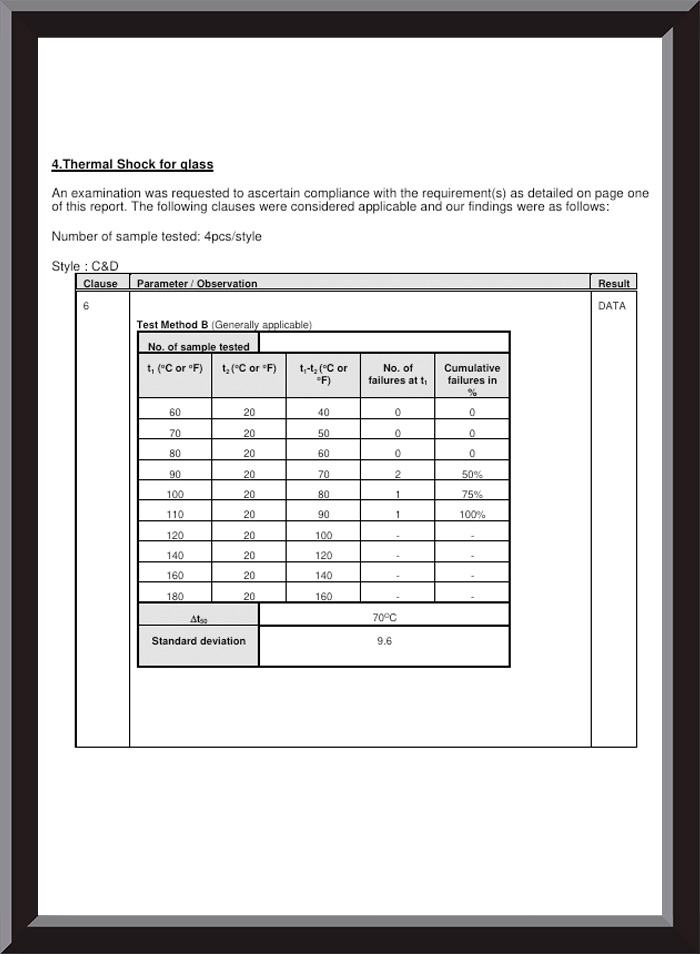
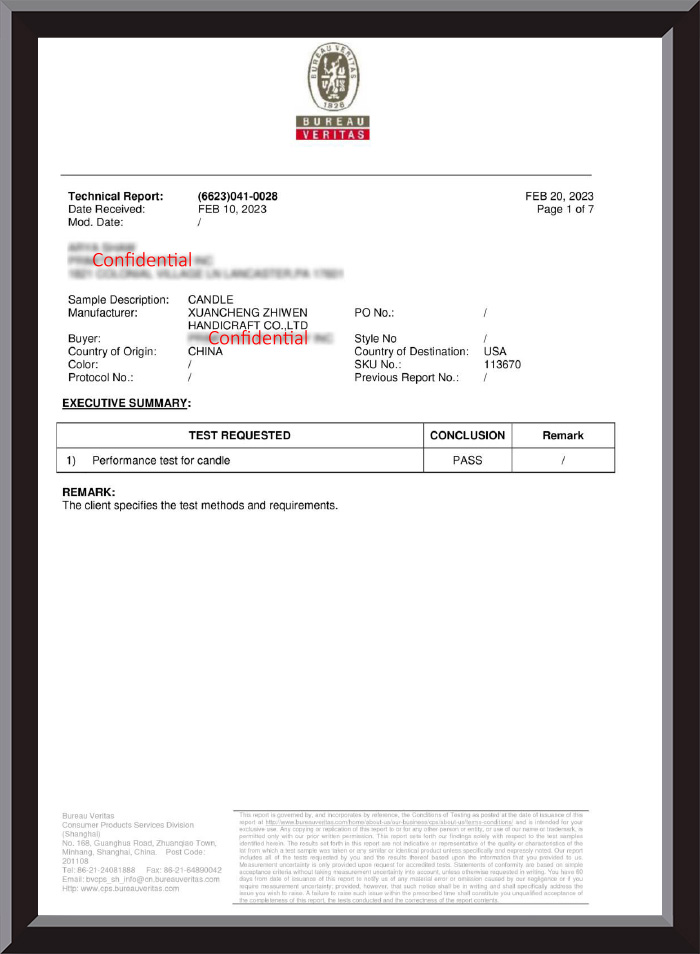
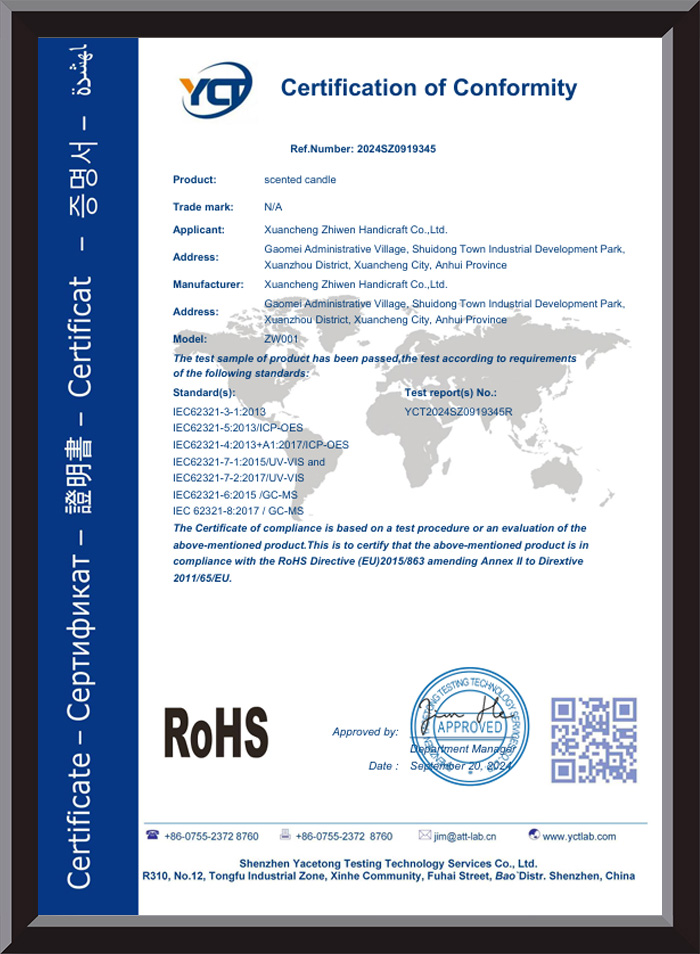
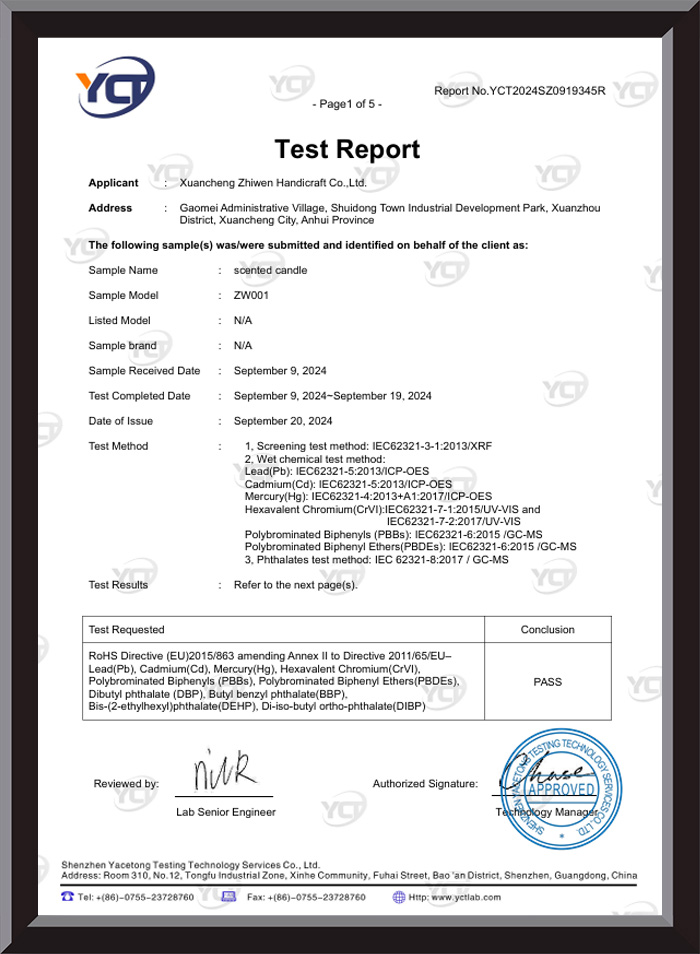
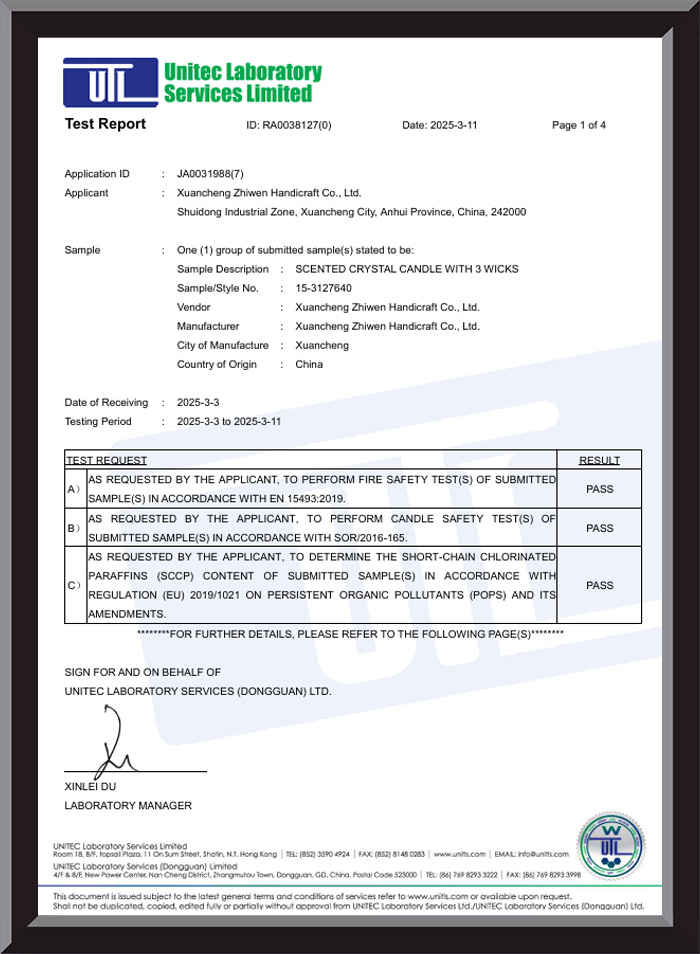
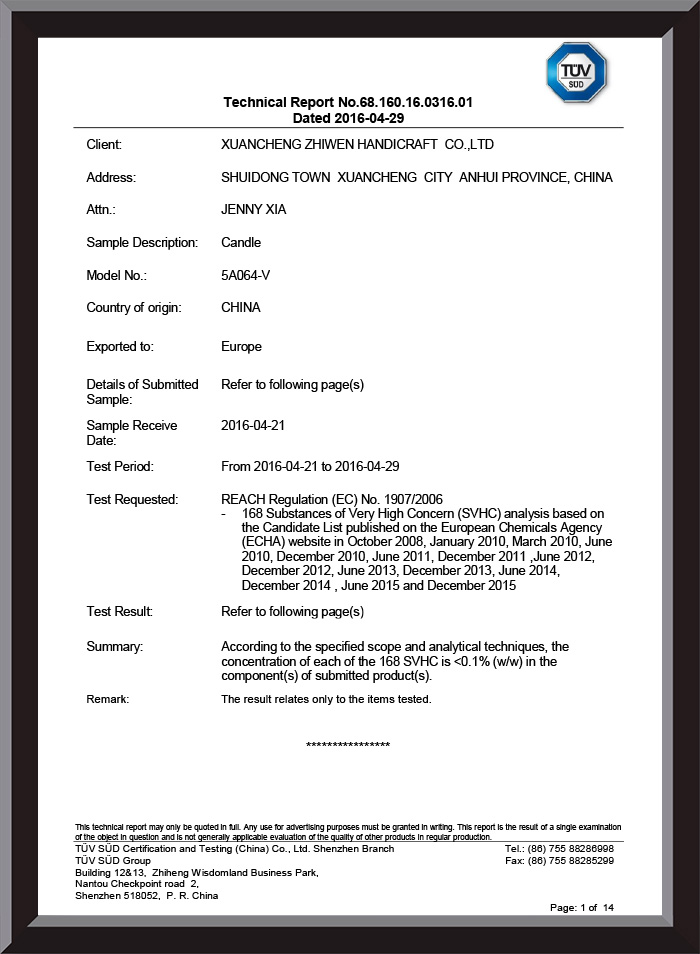
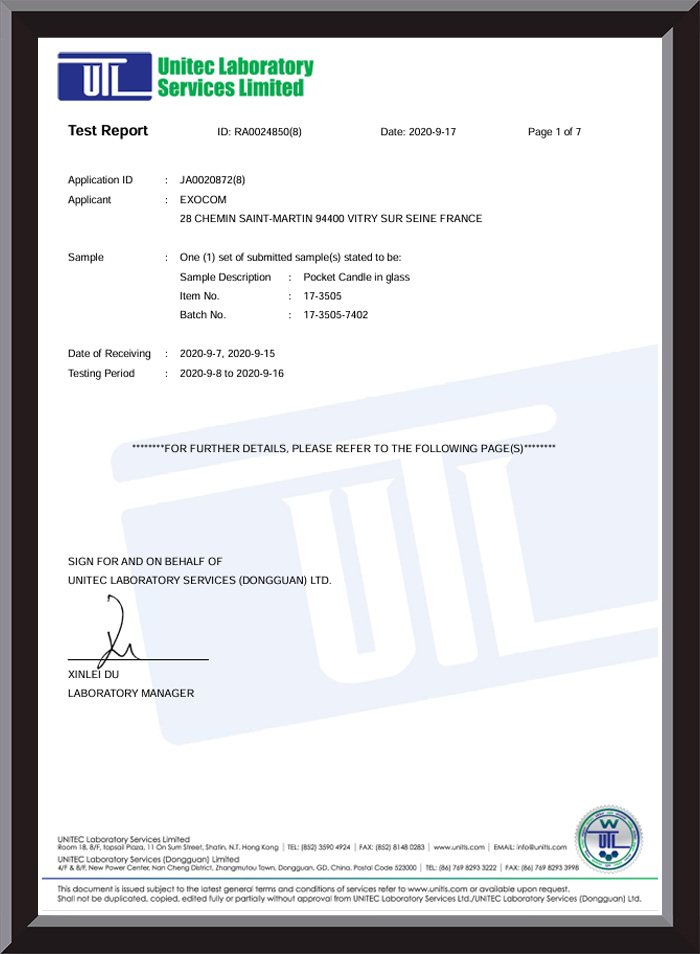
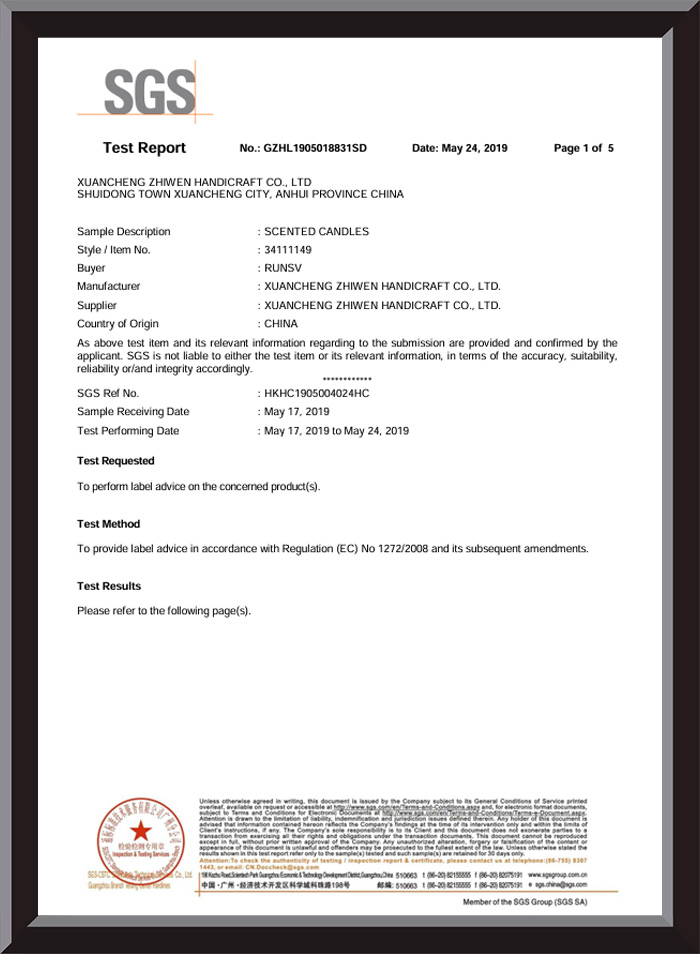
Plant-Based Wax Blends: Renewable & biodegradable soy/coconut/beeswax formulas—free
from paraffin and toxins.
Clean-Burning Wicks: 100% lead-free cotton cores for smoke-free, non-toxic flames.
Recyclable Packaging: Glass jars, tin containers & FSC-certified paper boxes designed for
zero-waste living.
Low-Waste Production: Wax remnants are upcycled, and imperfect items are ethically repurposed.
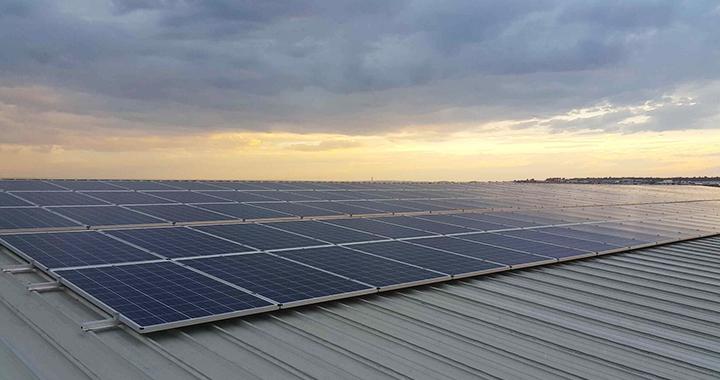
Energy-Smart Manufacturing: Solar-powered facilities reduce carbon emissions.
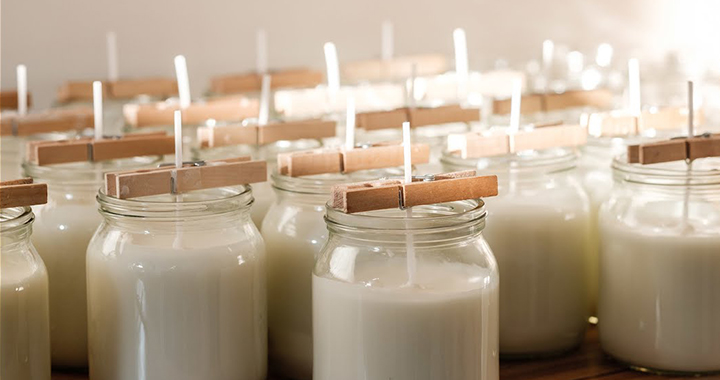
Visual Inspection: Ensuring flawless wax surfaces and scratch-free vessels.
Fragrance Test: Achieving a balanced scent without being overpowering.
Burn Trial: Delivering soot-free flames with consistent burn time.
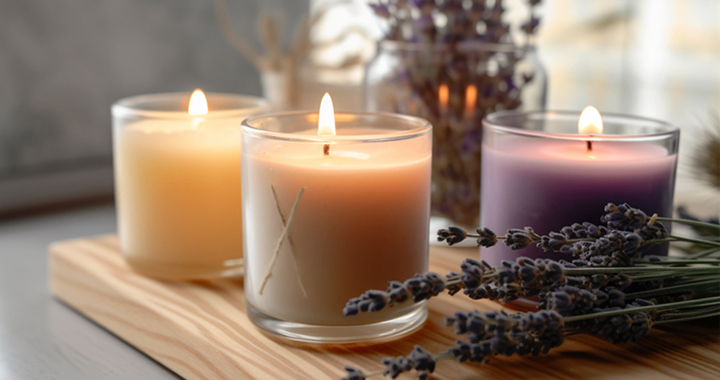
Vegan & Cruelty-Free: uses plant-derived dyes and fragrances without animal testing.
Fair Trade Ingredients: Sourcing ethically sourced essential oils that support global communities.
How Container Material Influences Candle Performance
The choice between a glass jar candle and a ceramic jar candle affects more than appearance. Container material influences heat transfer, production tolerances, shipping protection, labeling methods, and the customer’s experience after the candle is finished. Buyers should evaluate the vessel together with the wax, wick, fragrance load, and intended burning environment rather than treating it as an isolated packaging decision.
Heat behavior and wall thickness
Glass generally transfers visible heat more evenly and allows users to observe the melt pool. Ceramic is opaque and may retain heat differently depending on its clay body, glaze, firing temperature, and wall thickness. In either case, inconsistent vessel dimensions can alter the distance between the flame and container wall. A change of only a few millimeters in internal diameter may require a new wick test, especially when using natural waxes or high fragrance loads.
| Evaluation Point | Glass Jar | Ceramic Jar |
|---|---|---|
| Dimensional consistency | Usually easier to standardize | May vary after firing |
| Decoration options | Labels, printing, frosting, coating | Glazing, decals, embossing, labels |
| Reuse potential | Storage and decorative use | Strong homeware appeal |
At Zhiwen, we review container dimensions and decoration requirements early because a visually attractive vessel must also remain compatible with stable filling, cooling, labeling, and packing processes.
Building a Reliable Wick and Burn-Test Plan
A wick cannot be selected accurately from jar diameter alone. Wax composition, fragrance oil, dye, additives, filling weight, vessel shape, and ambient conditions all influence flame size and melt-pool development. Buyers comparing samples should therefore request testing based on the final commercial formula rather than relying only on an unfragranced prototype.
What a useful burn test should record
- Cold and hot fragrance performance at defined curing intervals.
- Flame height, smoking, soot formation, and wick mushrooming.
- Melt-pool diameter and depth after each burning cycle.
- Container temperature at the sidewall, base, and upper rim.
- Remaining wax, wick stability, and flame behavior near the end of life.
Testing should use repeated burn cycles that reflect realistic consumer behavior. A candle that performs well during the first two hours may develop an oversized flame after several cycles because the container retains more heat as the wax level drops. End-of-life testing is as important as the first-burn result.
Why sample consistency matters
Test samples should be produced with controlled wax temperature, fragrance addition temperature, pouring temperature, wick centering, cooling time, and curing period. Variations in these steps can make it difficult to determine whether a performance difference comes from the wick or from the production process. For ceramic jars, internal diameter and base flatness should also be checked because firing variation may affect wick placement.
Our production experience helps us identify these interactions before scale-up. We prefer to confirm the complete candle system rather than approve components separately, reducing unnecessary adjustments during mass production.
Decoration, Labeling, and Packaging Details That Prevent Costly Rework
Decoration decisions should be tested on the actual vessel surface. Glass coatings, frosted finishes, ceramic glazes, and curved walls can affect label adhesion, print clarity, and color accuracy. Buyers should provide artwork in editable vector format and define the required color reference, label position, readable text size, barcode grade, and acceptable placement tolerance.
Surface compatibility checks
Adhesive labels should be evaluated after filling because wax temperature and residual surface treatments may influence adhesion. Testing should include storage under warm, cold, and humid conditions. For coated glass, an unsuitable adhesive may lift at the edges. For glazed ceramic, surface texture or curvature may create trapped air and visible wrinkles.
- Confirm the printable or labelable area using a physical sample.
- Keep critical text away from strong curves, seams, and recessed areas.
- Check whether oils, dust, or release agents require surface cleaning.
- Approve decoration under both daylight and typical indoor lighting.
Packaging should be designed around distribution risk
Heavy ceramic vessels require different protective structures from lightweight glass jars. Inner cartons, molded inserts, dividers, and master-carton strength should be matched to the product weight and shipping route. E-commerce packaging often requires more drop protection than palletized retail distribution. A successful packaging test should evaluate the complete packed product, not only the empty container.
Before confirming an order, buyers should align sample approval, artwork approval, packaging specifications, inspection criteria, and acceptable defect limits. Zhiwen supports overseas candle projects with integrated processing and labeling experience, helping customers turn approved designs into repeatable production standards.
Get in touch: [email protected]
Copyright © Xuancheng Zhiwen Handicraft Co., Ltd.
