 English
 Français
 Deutsch
Beeswax vs Soy Wax Candles: What Candle Brands Should Know Before Sourcing
Content
When you test two candles side by side—one made from beeswax, one from soy wax—the differences are immediate. The beeswax candle burns slower and emits a faint honeyed scent, while the soy candle carries a stronger fragrance throw and costs noticeably less. If you are buying for a private-label home fragrance line, you need more than a general preference. You need to know how each wax affects burn time, scent performance, sourcing stability, and customization options. The practical conclusion is that soy wax is the better foundation for most scented candle products, while beeswax remains a premium niche choice. This guide explains the evidence behind that recommendation.
Wax Origin and Core Properties
Beeswax is a natural by-product of honeybee activity within the hive. It is collected from honeycomb, cleaned and filtered, with a melting point around 62-65°C. Its colour ranges from pale yellow to deep amber, and it carries a subtle honey aroma that many customers associate with authenticity and purity. Soy wax is a domestic, renewable plant wax made by hydrogenating soybean oil. It melts at roughly 46-54°C, has almost no natural odour, and provides a neutral base for fragrance oil.
These physical traits translate directly into production behaviour. Beeswax is hard and dense, requiring higher pour temperatures and showing more contraction inside glass jars. Soy wax is softer and more flexible, so it hugs container walls, levels out smoothly, and leaves fewer surface blemishes. For a candle manufacturer, soy wax is easier to handle across varied container shapes and finishes.
| Property | Beeswax | Soy Wax |
|---|---|---|
| Source | Honeybee hive by-product | Hydrogenated soybean oil |
| Melting point | 62-65°C | 46-54°C |
| Natural scent | Faint honey aroma | Nearly neutral |
| Fragrance compatibility | Muted, slower scent release | Strong hot throw |
| Relative cost | High | Low to moderate |
Burn Time, Flame Quality, and Soot
Beeswax candles typically burn longer than soy wax candles of the same weight. One widely repeated benchmark places a 100g beeswax candle at about 29 burn hours, compared with around 18 hours for an equivalent soy candle. The reason is that beeswax is denser, with a higher melting point and a longer carbon chain, so it consumes fuel more slowly.
However, the final burn time in a commercial product depends on more than the wax type. Wick size, fragrance oil loading, container diameter, and wax blend all play a part. A tightly formulated soy candle with a properly sized cotton wick can run for hours without obvious issues. If you need longer burn times, a manufacturer can adjust the wax formulation or use a wood wick with a lower consumption rate.
On flame quality, both waxes are clean burners when made with quality ingredients. Beeswax produces a very stable, almost smokeless flame and is often credited with releasing negative ions, although the scientific evidence for that claim remains debated. Soy wax also burns cleanly, especially when the blend is 100% soy and the fragrance is phthalate-free. The biggest source of soot in either candle is not the wax itself but poor wick trimming, overloaded fragrance oil, or low-grade synthetic dyes. Choosing a production partner who understands these variables is a key step for any brand that wants a clean-burning reputation.
Scent Throw and Fragrance Compatibility
For a scented candle, the ability to disperse fragrance is the main performance metric. Beeswax has a natural odour that can either blend or fight with your chosen fragrance. Its cold throw is weak, and even when lit, many fragrance oils struggle to fully volatilize through the dense beeswax structure. The result is a softer, more intimate scent that suits natural or unscented products but frustrates brands built around bold, complex fragrance profiles.
Soy wax is the opposite. Its neutral base accepts most fragrance oils at typical loadings of 6-8%, and allows the complete top, middle, and bottom notes to emerge. For floral, fruit, gourmand, and woody scents, soy wax delivers a strong hot throw that fills a room faster. This is why the majority of aromatherapy and home fragrance candles rely on soy or soy-blend formulas.
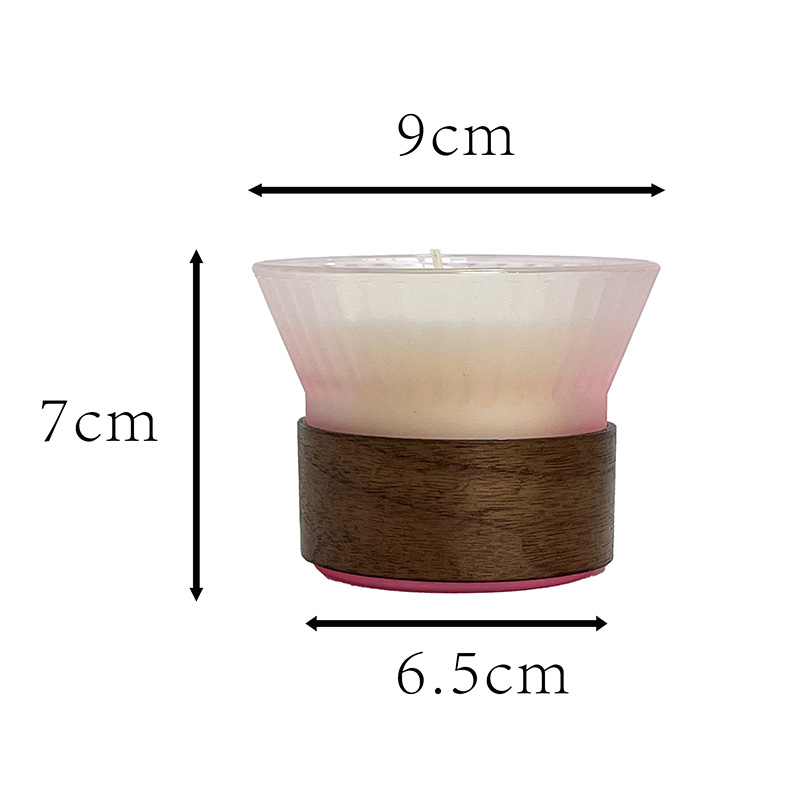 Natural Soy Wax Candle in Conical Glass Jar with Woody ScentThis 159g candle uses pure soy wax and a cotton wick for a clean burn. Its conical glass jar suits a niche fougère scent, evoking a post-rain forest. Ideal for reading or meditating, and customizable for branding.View Product →
A simple artisan soy candle with a neutral base and a clean label is a reliable way to test a new scent range. It gives you the flexibility to launch several fragrances without committing to a single, overpowering raw material.
Cost, Supply, and Procurement Risk
Beeswax is the most expensive candle wax on the market. Its production depends on honeybees, weather, and regional honey harvests, so prices fluctuate more than most other waxes and can be difficult to forecast. When you factor in the cost of raw beeswax plus the specialized handling needed to avoid defects, the final candle price ends up significantly higher.
Soy wax is much more affordable. It is manufactured from soybean oil through an industrial hydrogenation process, so supply is steady and cost is more predictable for large-scale production. This makes soy the default choice for private-label brands with strict unit-cost targets or those launching multiple SKUs at once.
There are procurement risks on both sides. Beeswax can contain impurities and requires careful filtering; different batches may vary in colour and hardness. Soy wax can raise concerns about genetically modified soybeans or the use of palm oil in some blended formulations. A responsible manufacturer will provide spec sheets, ingredient lists, and certifications for the wax supply, helping you avoid the costly mistake of a candle that smokes, melts unevenly, or discolours the jar.
Sustainability and Consumer Perception
Both beeswax and soy wax are biodegradable and renewable in origin. Beeswax is a hive-derived material that feels natural and minimally processed. It is not vegan, but it is often chosen by customers who value raw, low-impact production. Soy wax is plant-based and vegan, which makes it easier to market to the large base of consumers who avoid animal products.
At the same time, soy cultivation may involve fertilizers, pesticides, or genetically modified seed varieties, depending on the origin. In the European Union and Canada, buyers increasingly ask for non-GMO soy and for formulations that are free of palm oil. Those requirements are easy to meet with the right supplier, but they need to be verified before you finalise a purchase.
Consumer perception is also shaped by marketing. Beeswax is positioned as a healing, air-purifying premium product, often in handmade or pillar formats. Soy wax is perceived as a clean, eco-friendly, and versatile option that still delivers a strong fragrance experience. If your brand targets wellness or luxury, beeswax can be a differentiator; if you want volume, repeatable fragrance, and an accessible price point, soy wax is the safer positioning.
Customization and Manufacturing Flexibility
When a candle product moves from sampling to mass production, the wax material determines what kinds of vessels and finishes you can use. Soy wax contracts less, sets more evenly, and adheres well to glass, metal, and ceramic. That makes it compatible with coloured cement cups, frosted glass, linen-wrapped jars, and even wax melts.
Beeswax is harder and more brittle. It can be used for pillar candles and sculptural shapes, but it is more prone to air bubbles, shrinkage, and cracking in tight containers. For private-label operations that need to change lid styles, label prints, or seasonal decorations, soy wax reduces the number of production variables.
Our manufacturing experience confirms this. With a dedicated R&D team and 11 patents related to scented candle production, we work with vegetable wax blends that support custom containers, custom logos, and private-label packaging for global brands.
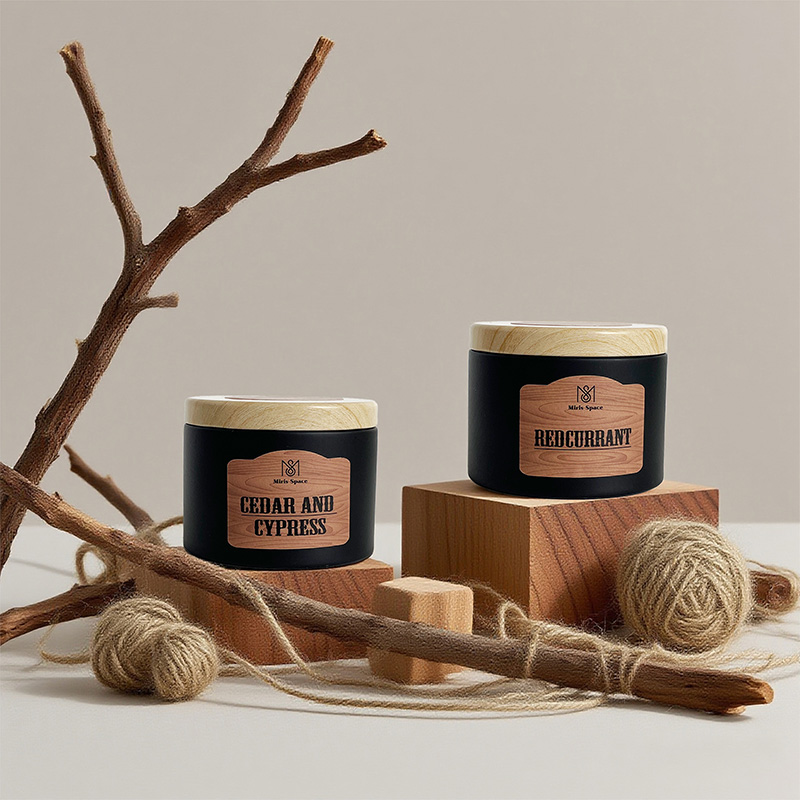 Black Glass Jar Candle with Wooden Lid and Wood-Grain LabelA private-label soy candle in deep black glass with a natural wooden lid and wood-grain label. Offered in 93g and 172g sizes, it pairs well with woody or leather fragrances. Supports logo customization.View Product →
A private-label soy candle with a wooden lid and a wood-grain label is a popular format for premium home fragrance collections. It combines packaging appeal with dependable burn behaviour.
Which Wax Should Your Brand Choose?
The answer depends on your product positioning. If your candle is meant to be a high-end, natural, or wellness-oriented product, beeswax provides a strong story and a very long burn time. You need a pricing strategy that supports the higher raw material cost, and you will need to educate customers on the natural honey scent and the absence of added fragrance.
If your brand is about scent variety, consistent quality, and flexible packaging, soy wax is the practical choice. It works across jar candles, pillar candles, tin candles, and wax melts, and it gives you room to create seasonal collections without recalculating every production step.
A blended approach is also worth considering. Mixing a small percentage of beeswax into soy can raise the melt point, improve hardness, and add a touch of natural honey character, while keeping total cost under control. The right ratio depends on the container, wick, and fragrance load, so a small pilot run is essential.
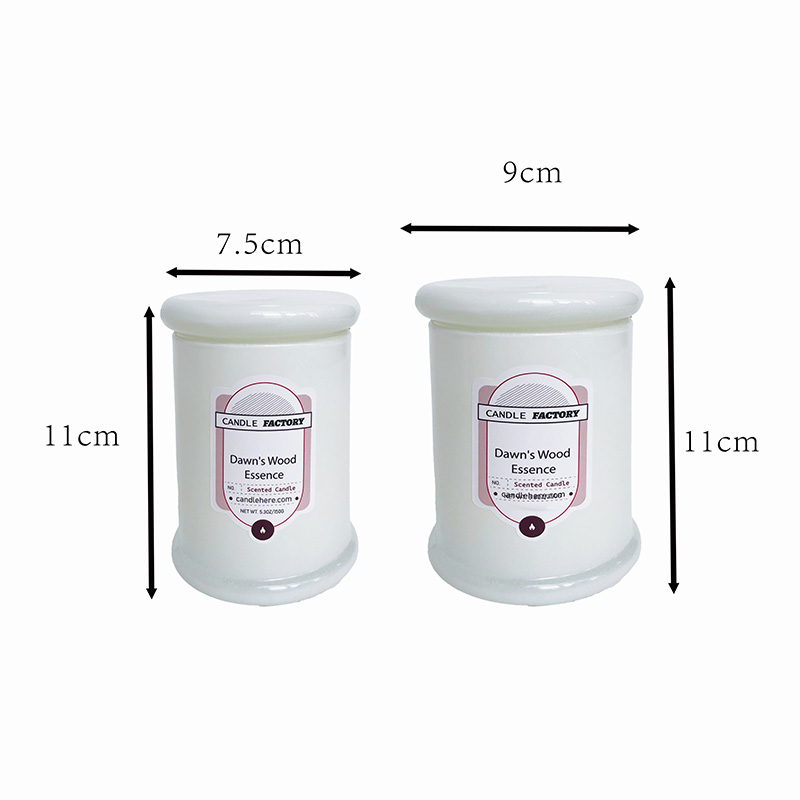 Simple Cylindrical Glass Jar Soy Candle for Home and Custom LogoThis soy candle comes in 164g or 371g sizes in classic cylindrical jars. Its warm, homey scent suits living rooms and studies. The clean glass surface allows for custom logo printing, ideal for gifts or hotels.View Product →
For a core product that can support many scent options, a simple jar candle with a clean label is a versatile starting point. It works for everyday home use, hotel projects, and gift sets, and it leaves plenty of room for your brand identity to shine.
Choosing between beeswax and soy wax is not about finding a single perfect material. It is about matching the wax to your brand promise, target price, and production needs. Before you commit to a large run, ask your manufacturer for burn-test data, wax certifications, and a breakdown of how each blend behaves in your specific containers. If your design also includes wood wicks, take a look at our wood wick candle sourcing guide to understand sizing, benefits, and supplier considerations.
-
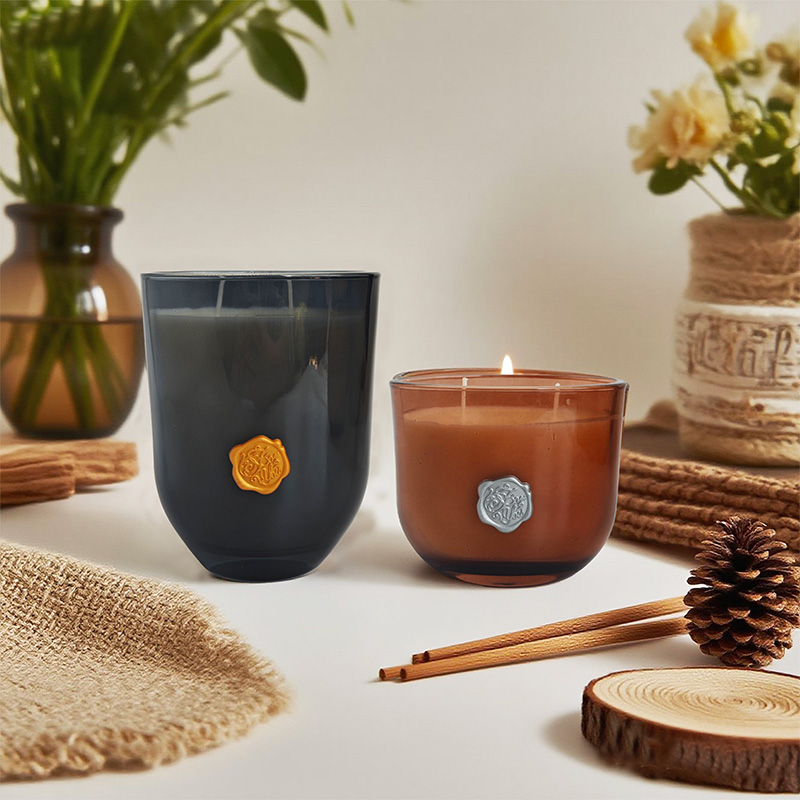 Wax Seal Conical Glass Cup Soy Wax Scented Candle
-
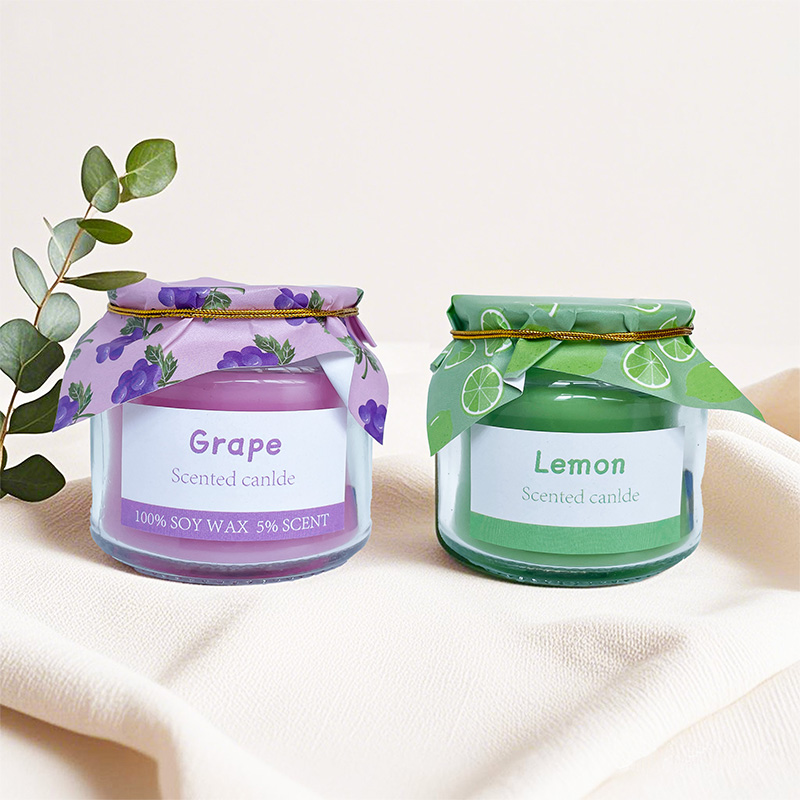 Glass Jar Fruit Scented Candle – Natural Soy Wax, Custom Logo Available
-
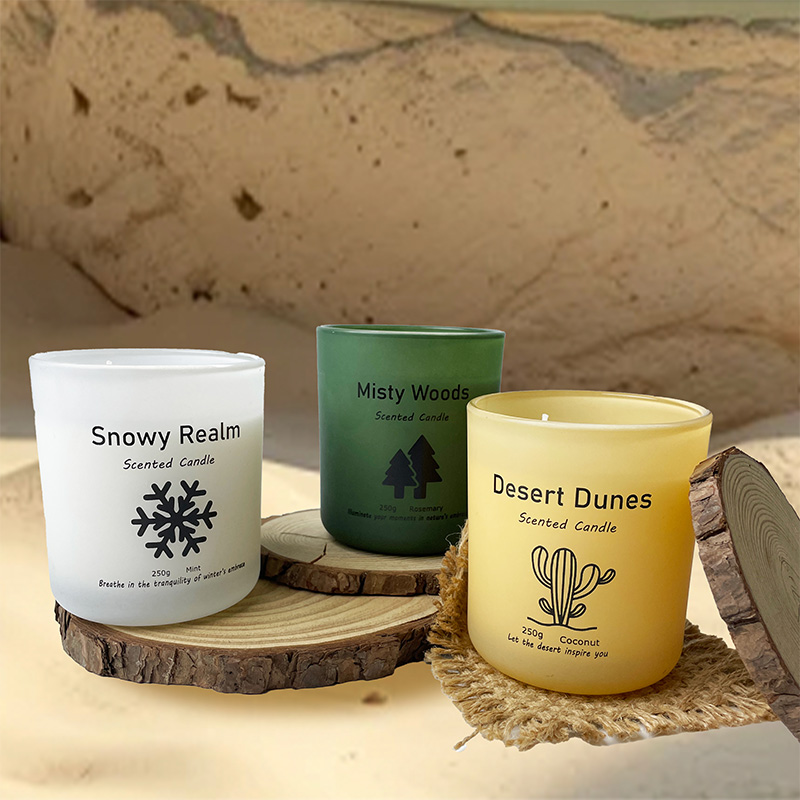 Simple Woody Scent Scented Candle Pure Natural Soy Wax
-
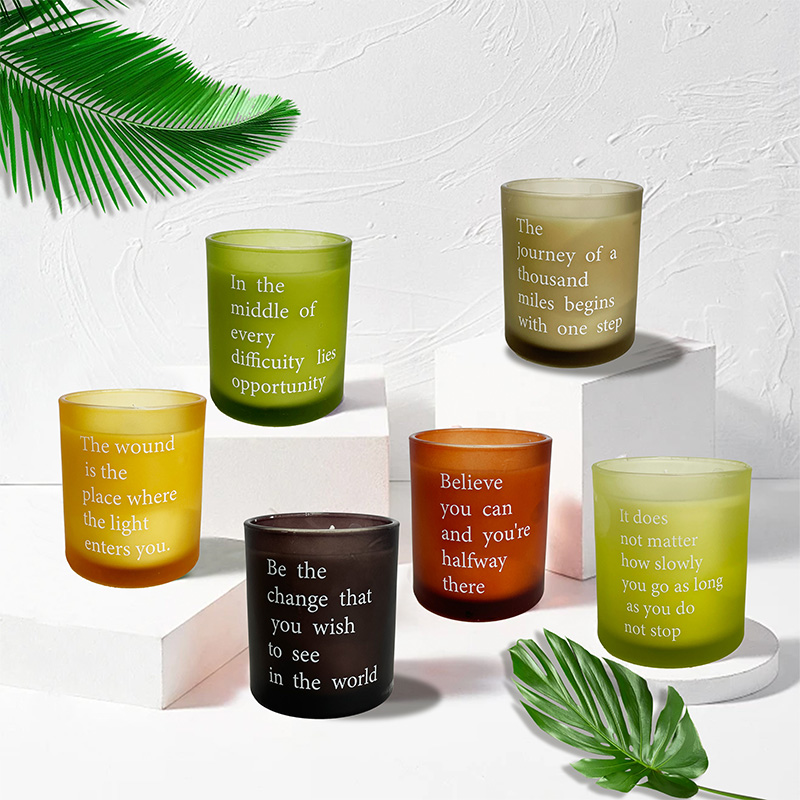 Colored Frosted English Print Scented Candle Customizable Natural Soy Wax
-
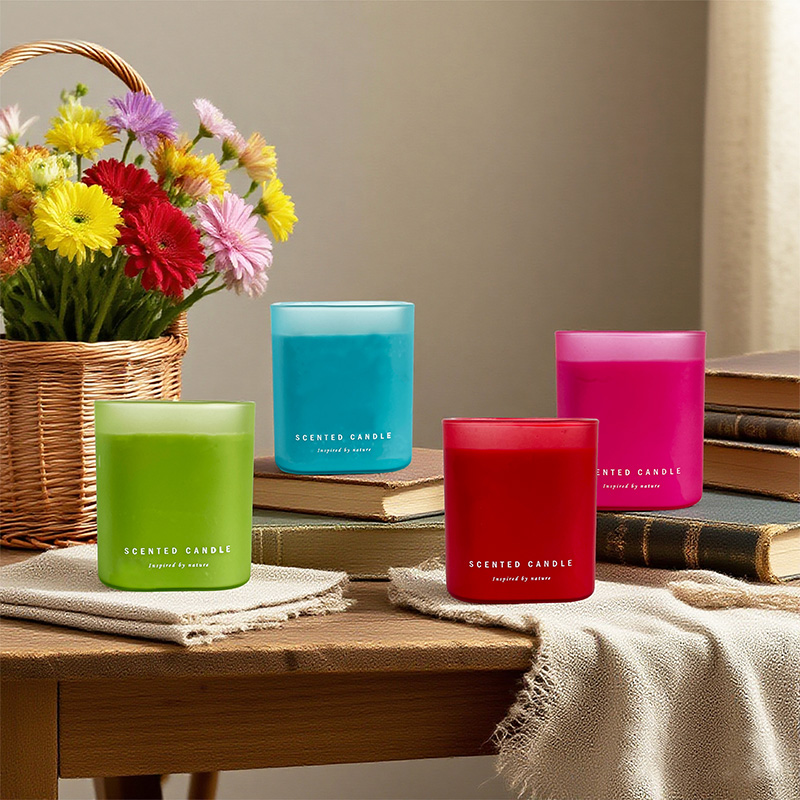 Square Colored Wax Scented Candle Wholesale Soy Wax Private Custom Logo
-
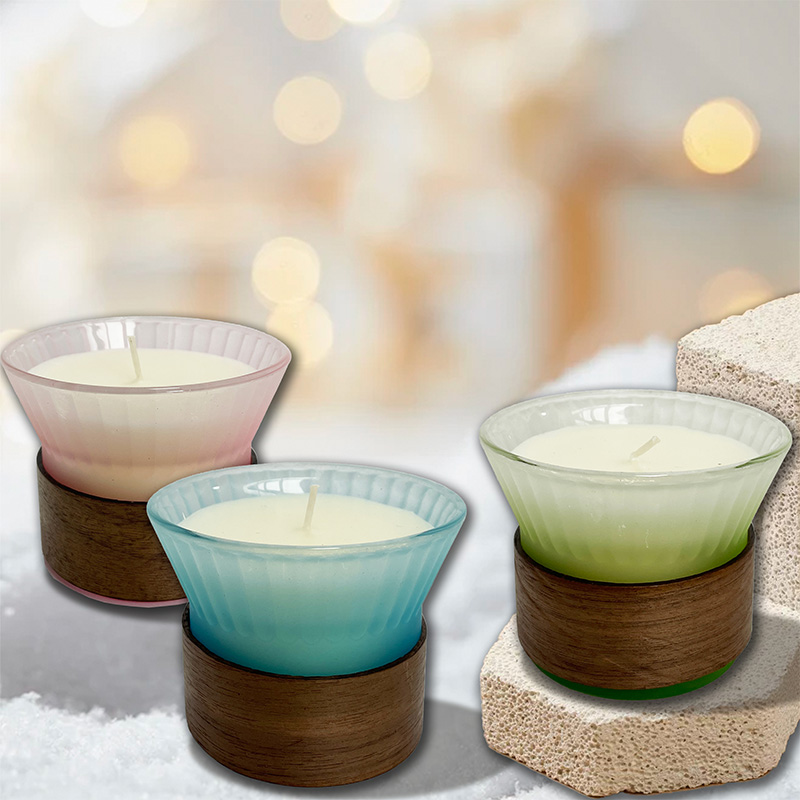 Natural Soy Wax Niche Scented Candle for Home Use, Long-Lasting Fragrance Gift
Get in touch: [email protected]
Copyright © Xuancheng Zhiwen Handicraft Co., Ltd.
