 English
 Français
 Deutsch
-
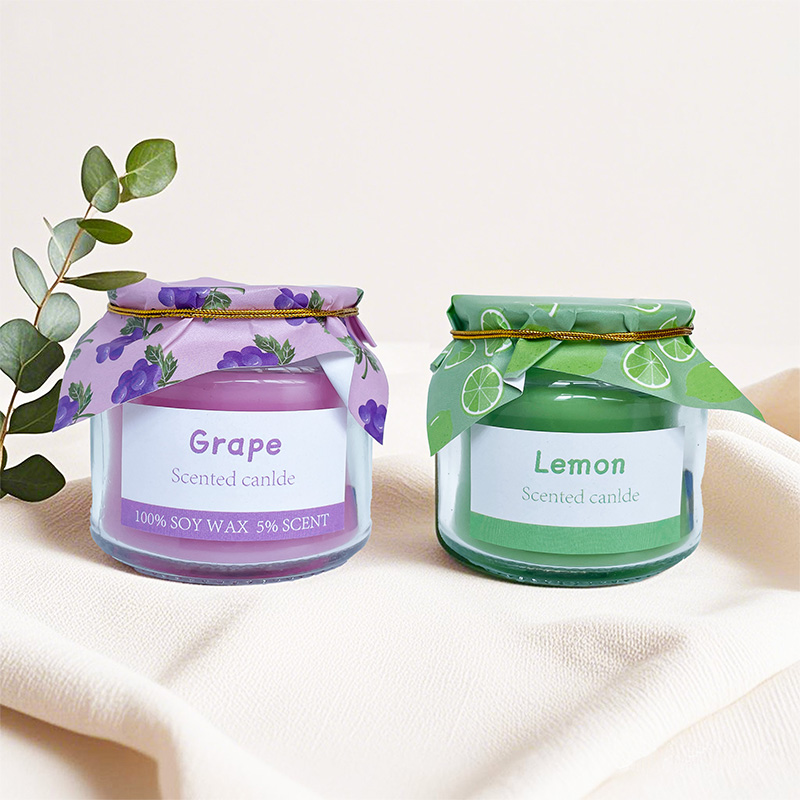 Glass Jar Fruit Scented Candle – Natural Soy Wax, Custom Logo Available
-
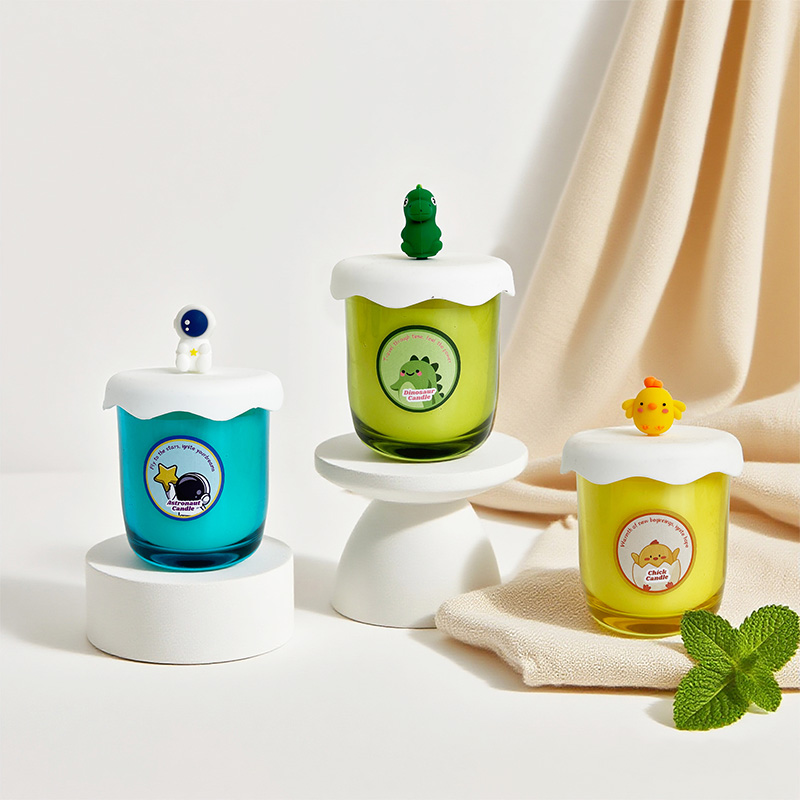 Handmade Soy Wax Scented Candle with Childlike Silicone Lid – Custom Logo Available
-
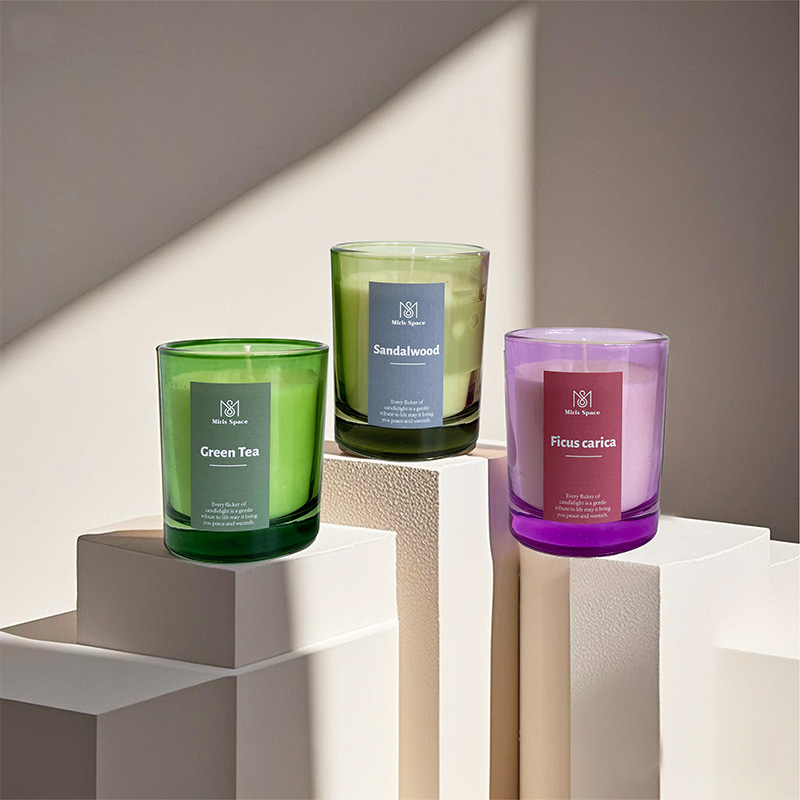 Colorful Glass Jar Natural Scented Candle with Simple Label – Custom Logo Available
-
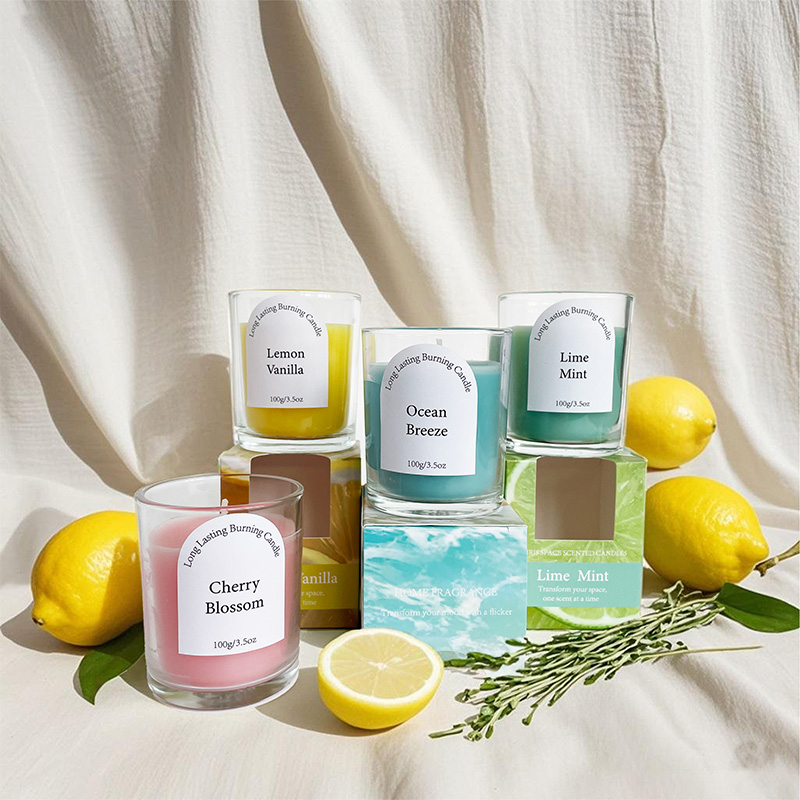 Natural Soy Wax Scented Candle with Fresh Aroma – Custom Logo Available
-
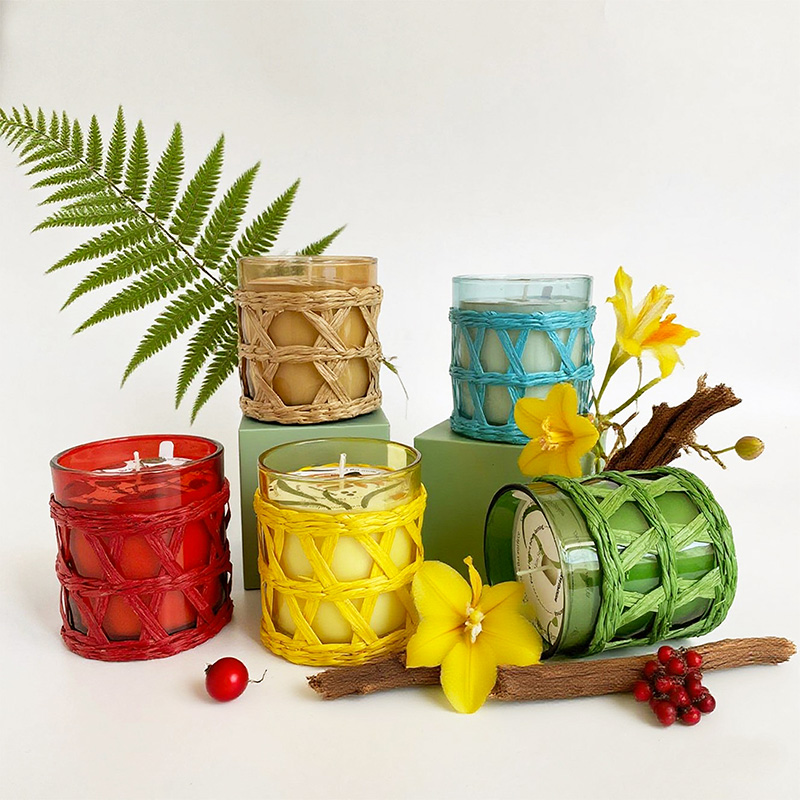 Colorful Glass Jar Soy Wax Scented Candle with Woven Rattan
-
 Natural Green Glass Jar Soy Wax Scented Candle – Custom Logo Available
-
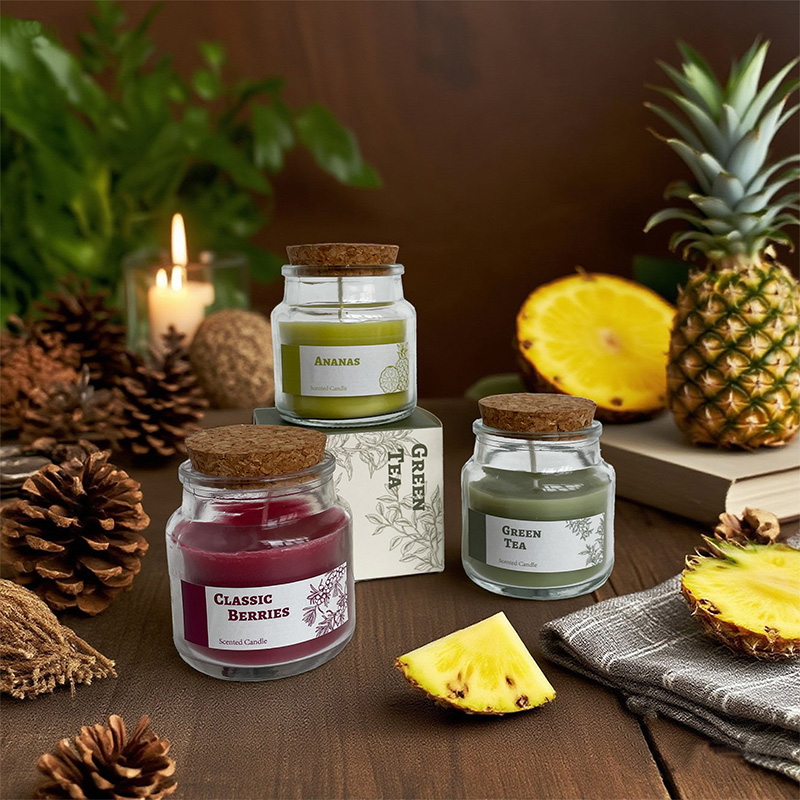 Fruit-Scented Soy Wax Candle in Glass Jar with Cork Stopper – Custom Logo
-
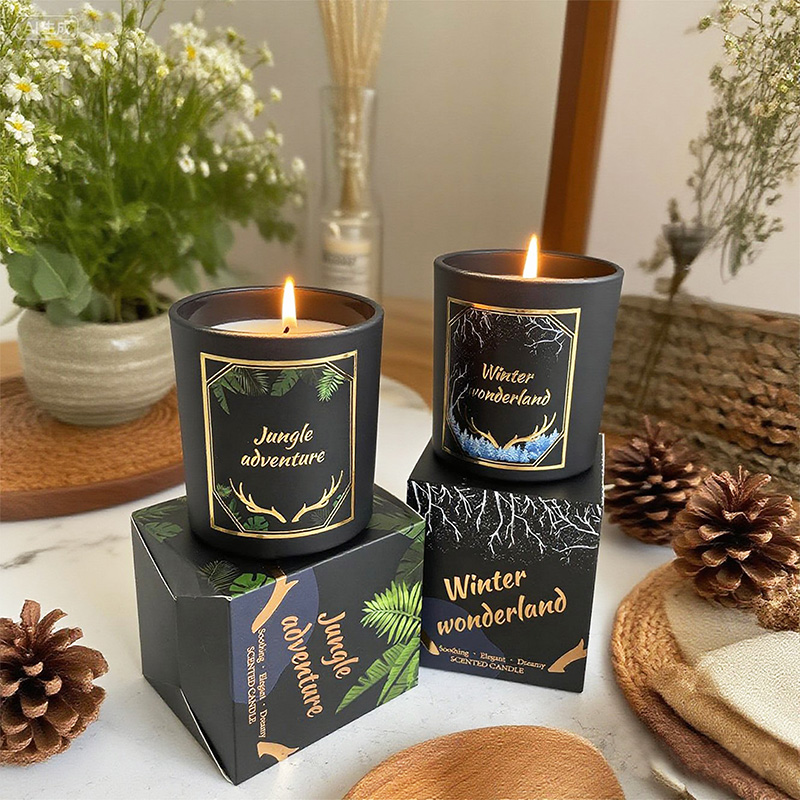 Black Textured Glass Scented Candle with Gold-Stamped Label, Wooden Wick – Custom Logo
-
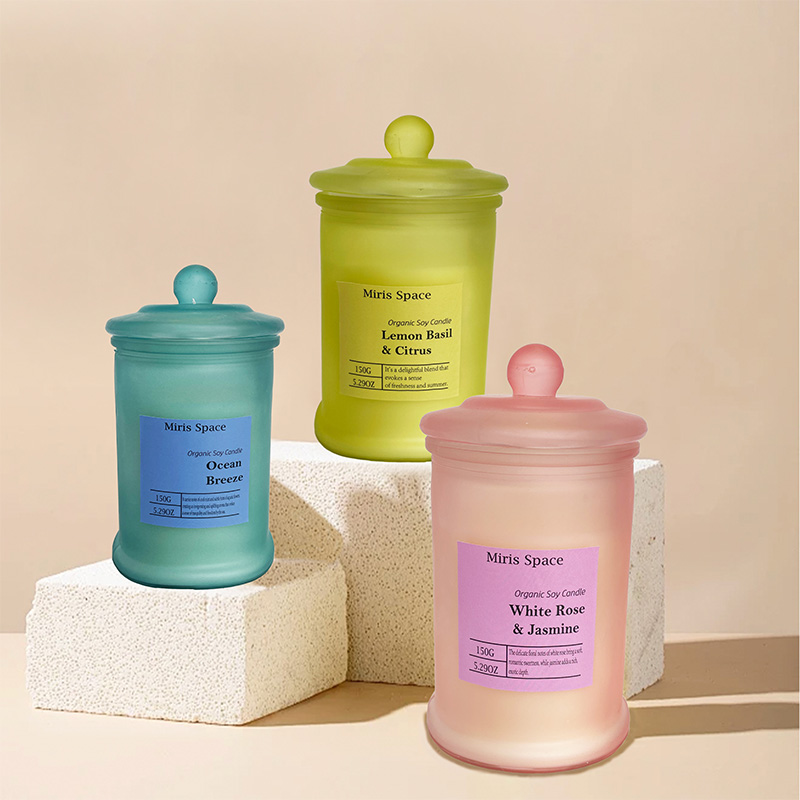 Colorful Frosted Glass Jar Simple Soy Wax Scented Candle – Custom Logo
-
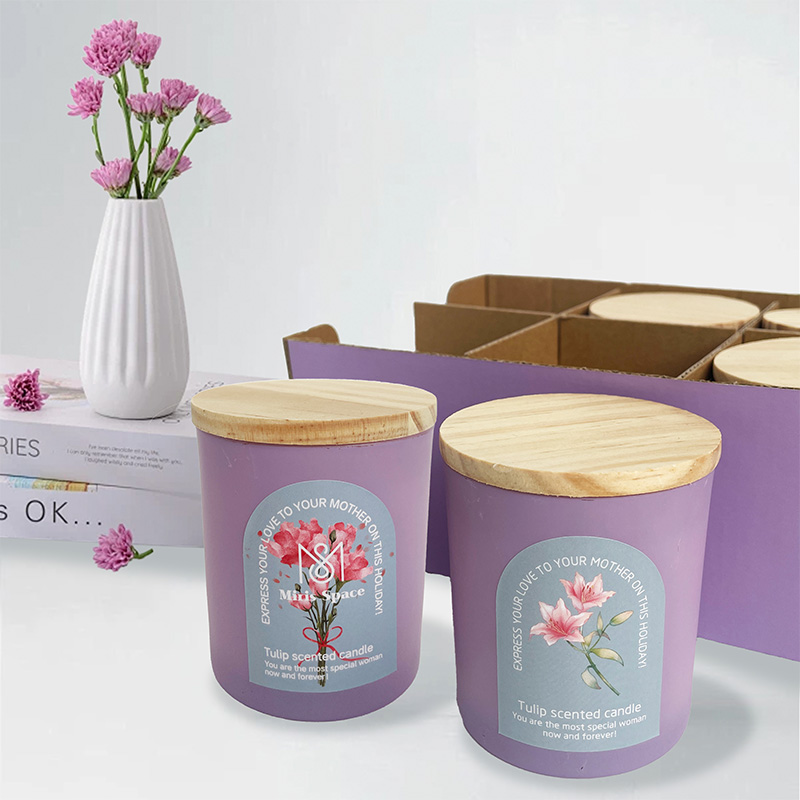 Purple Floral Wooden Lid Scented Candle Set – Custom Logo Available
-
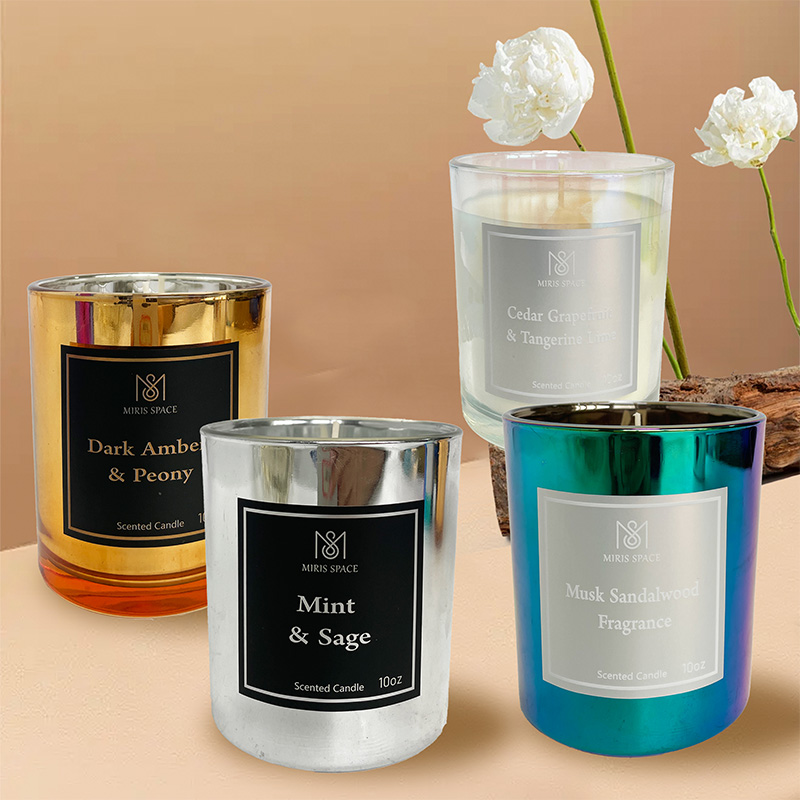 Electroplated Glass Cup Soy Wax Scented Candle with Cotton Wick – Custom Logo
-
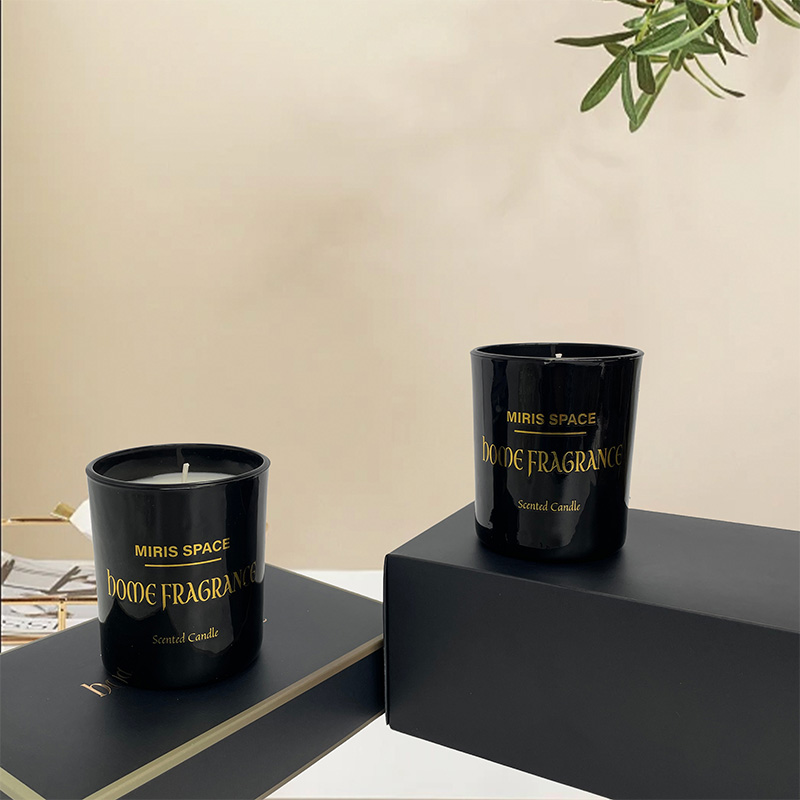 High-quality Black Foil-Stamped Gift Box Scented Candle – Natural Soy Wax, Custom Logo
-
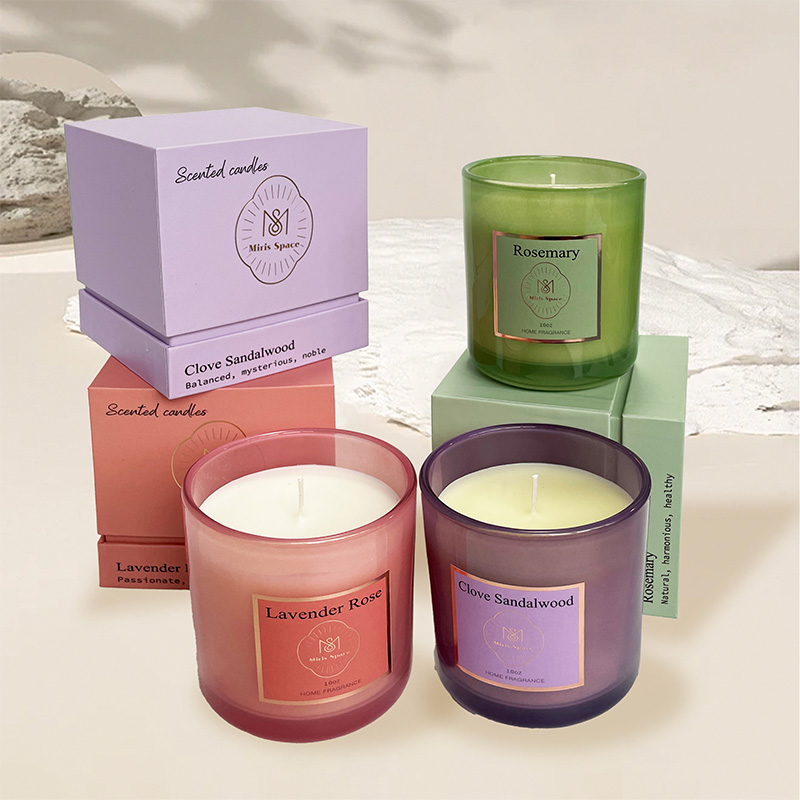 Exquisite Gift Box Lavender Scented Candle – Natural Soy Wax, Private Custom Logo
-
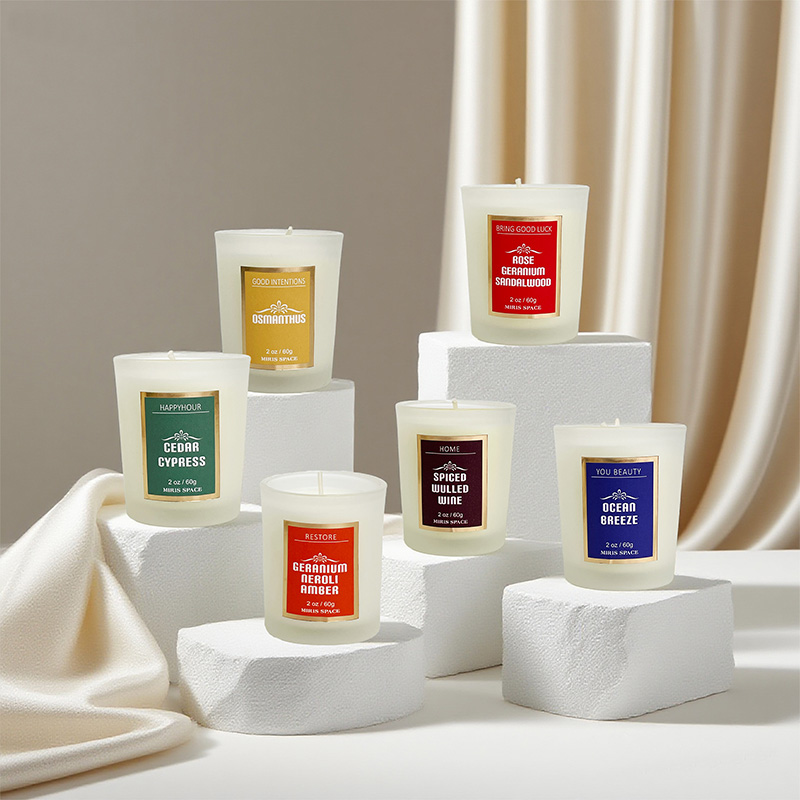 Colorful Rainbow Set Soy Wax Scented Candle – Custom Logo Available
-
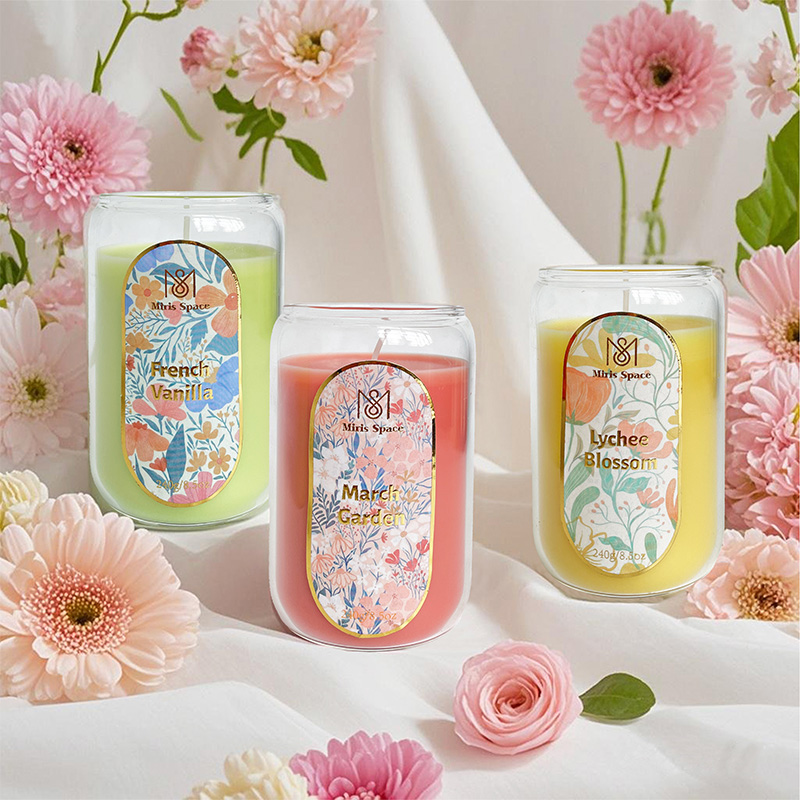 Spring Garden Gold-Label Scented Candle – Private Custom Logo
-
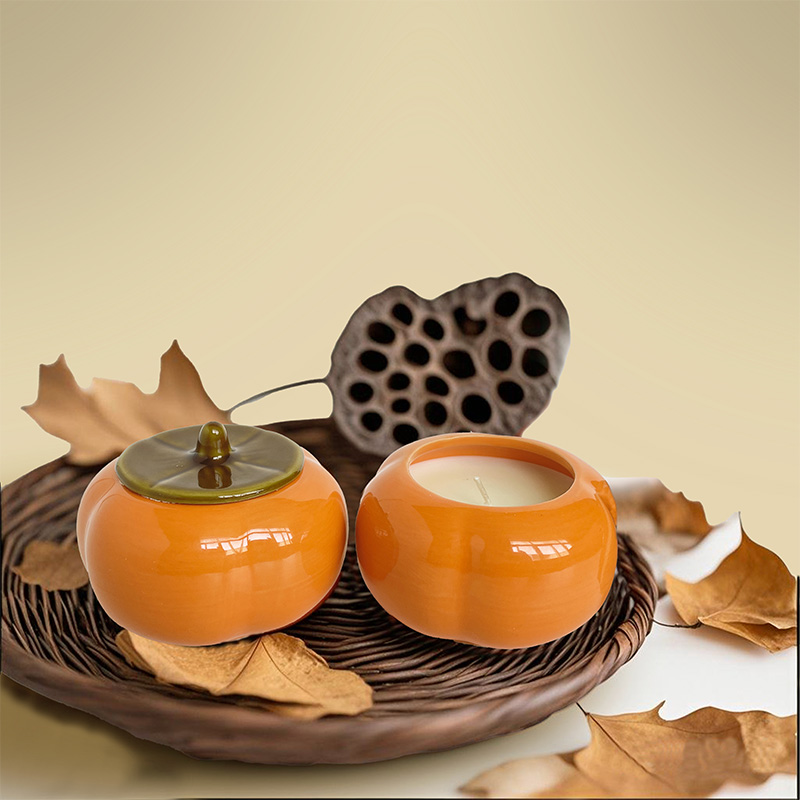 Persimmon-Shaped Soy Wax Scented Candle – New Chinese Style, Cotton Wick
-
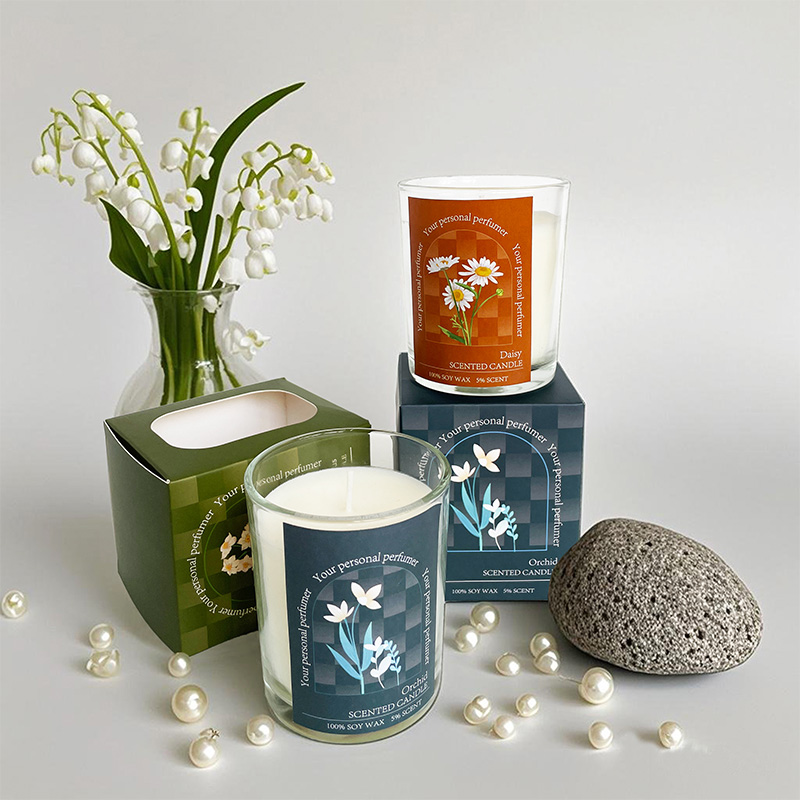 Fresh Flower Glass Cup Soy Wax Scented Candle – Custom Logo Available
-
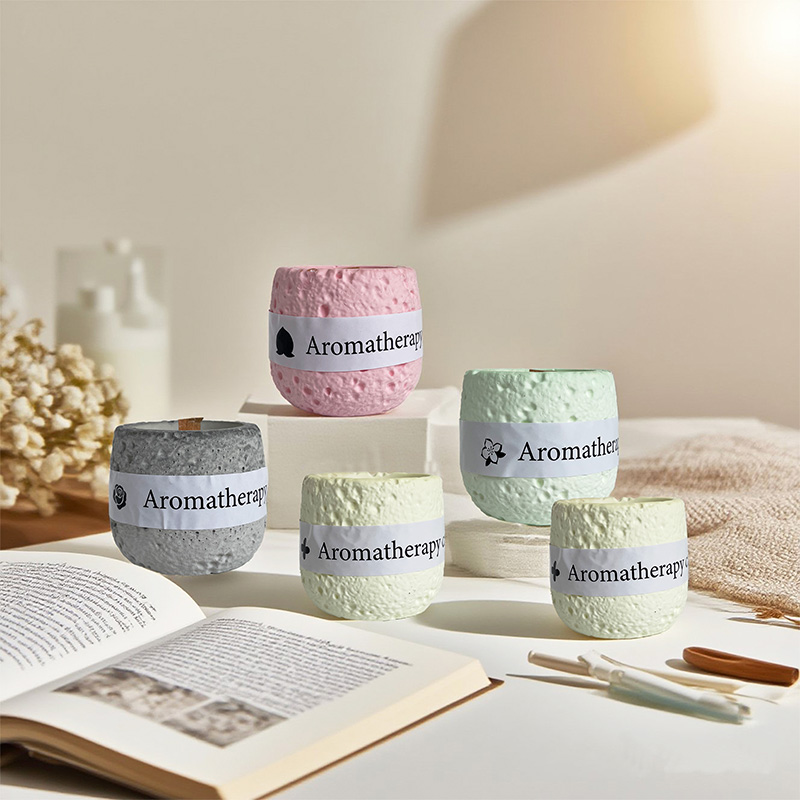 Colored Cement Cup Soy Wax Scented Candle – Custom Logo
-
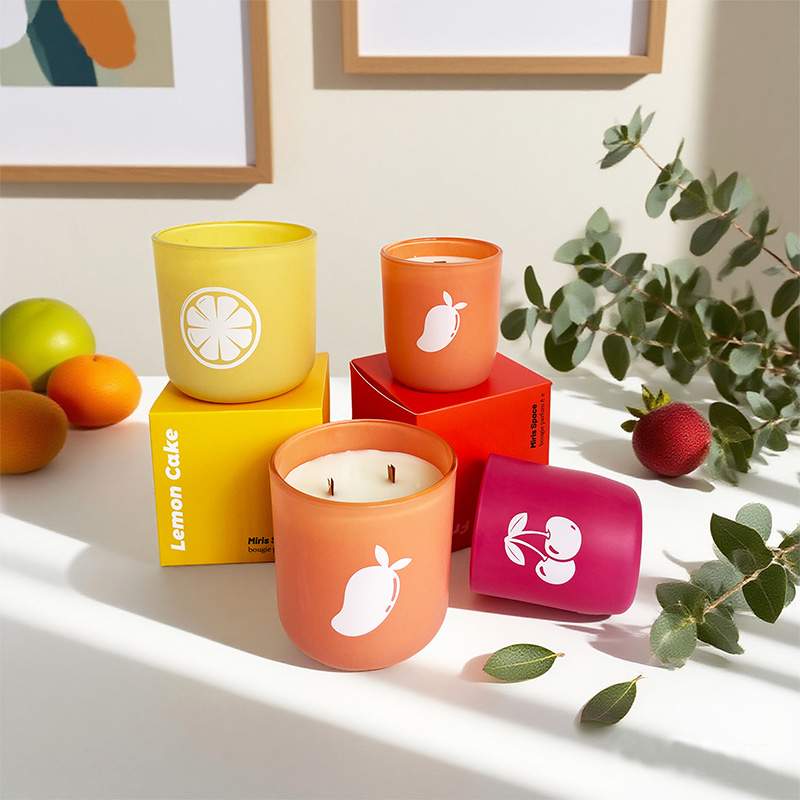 Colorful Tropical Fruit Soy Wax Scented Candle with Wooden Wick
-
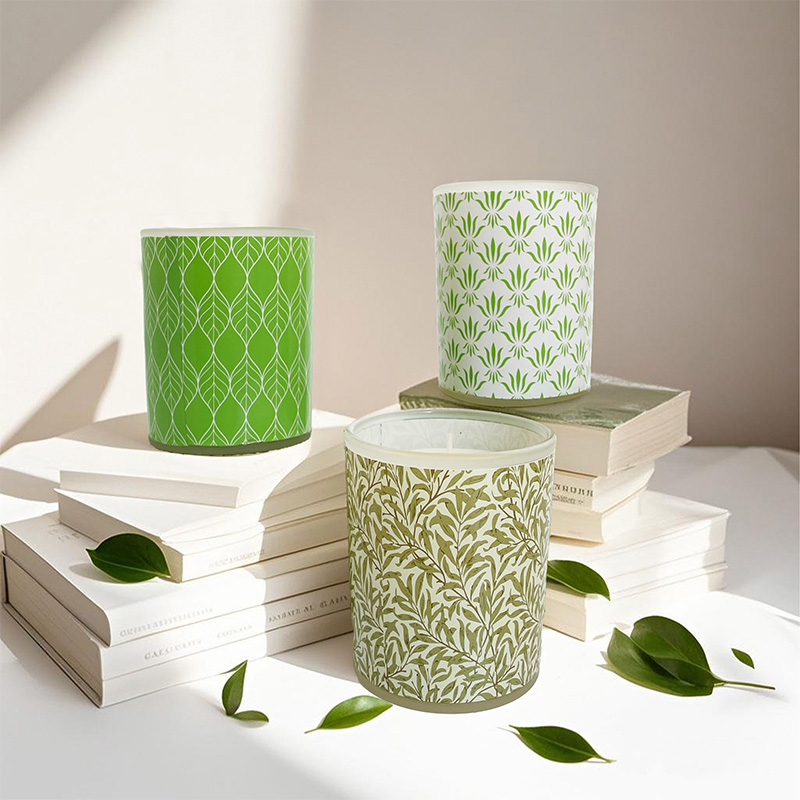 Fresh Green Leaf Patterned Glass Cup Soy Wax Scented Candle – Custom Logo
-
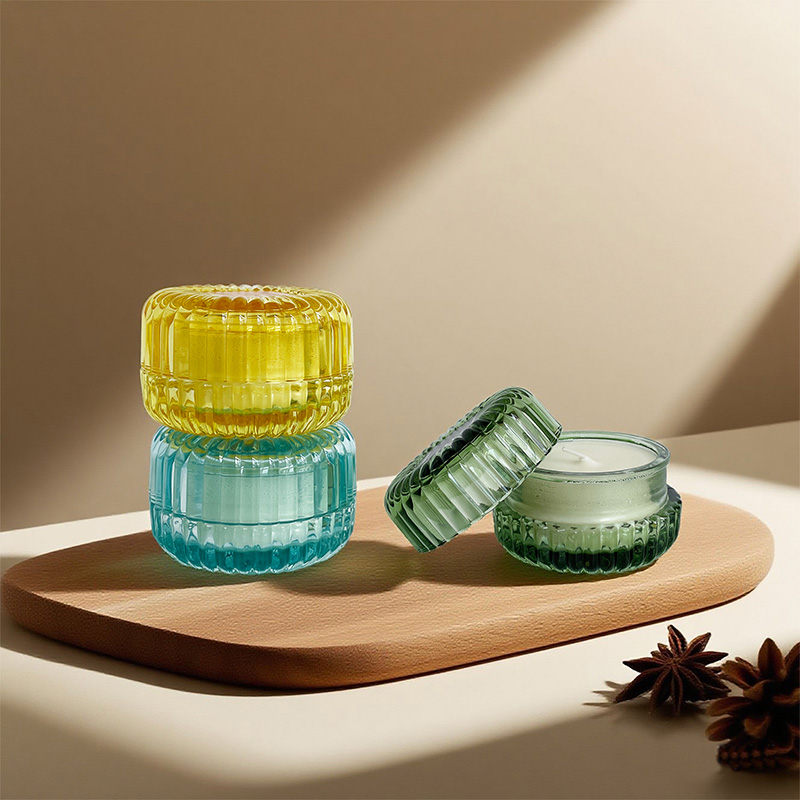 Macaron Soy Wax Scented Candle – Cotton Wick, Custom Logo
-
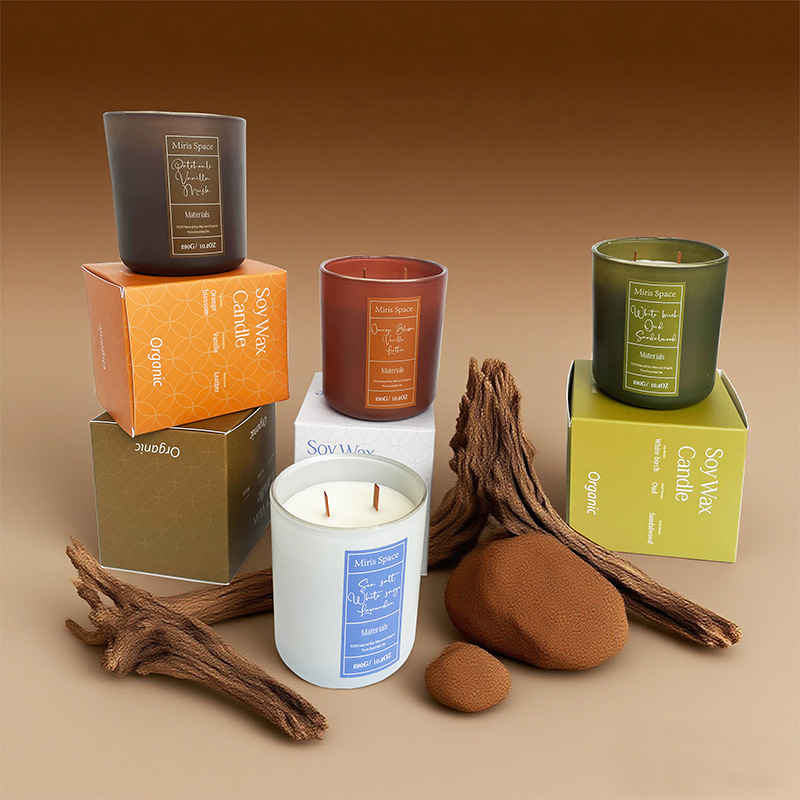 Geometric Line Packaging Soy Wax Scented Candle – Private Custom Logo
-
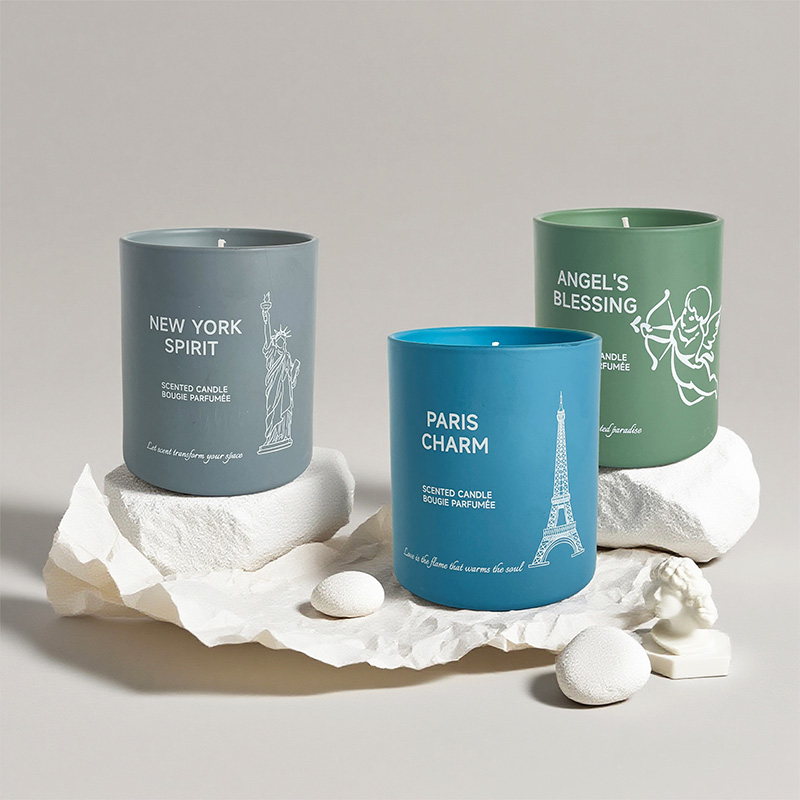 Romantic City Soy Wax Scented Candle – Long-Lasting, Soothing Aroma
-
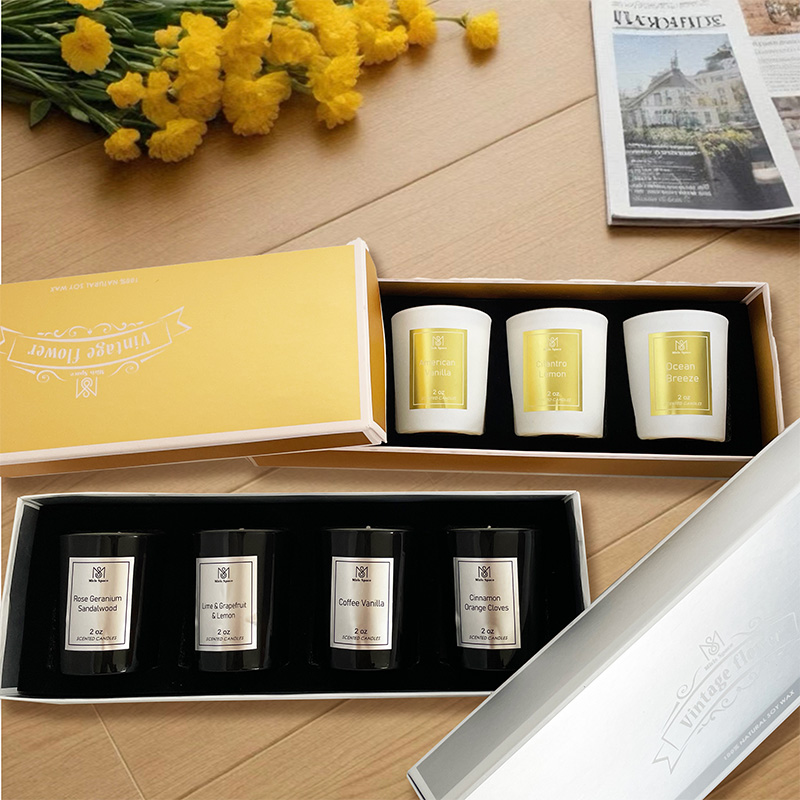 Black & White Luxury Soy Wax Scented Candle Set – Custom Logo
Founded on April 21, 2004, Xuancheng Zhiwen Handicraft Co., Ltd. is a high-tech enterprise specializing in the production of scented candles. Zhiwen Handicraft has a professional R&D and sales team, mainly providing labeling and processing services for scented candles for overseas markets. Natural Soy Wax Scented Candle Suppliers and OEM/ODM Natural Soy Wax Candle Factory in China. From sustainably sourced ingredients to rigorous quality control, every step meets global environmental and safety standards. From Sketch to Shelf-We specialize in co-creating unique selling points with brands, delivering one-stop fragrance design solutions that bring your vision to life! Custom Soy Wax Candle. The company serves customers in more than 30 countries and regions.
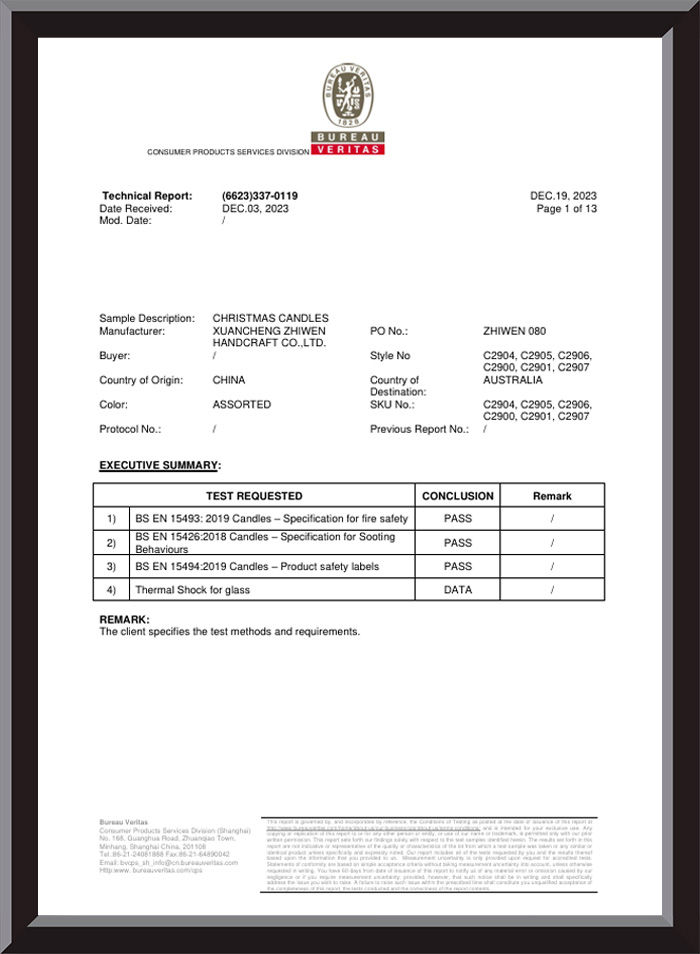
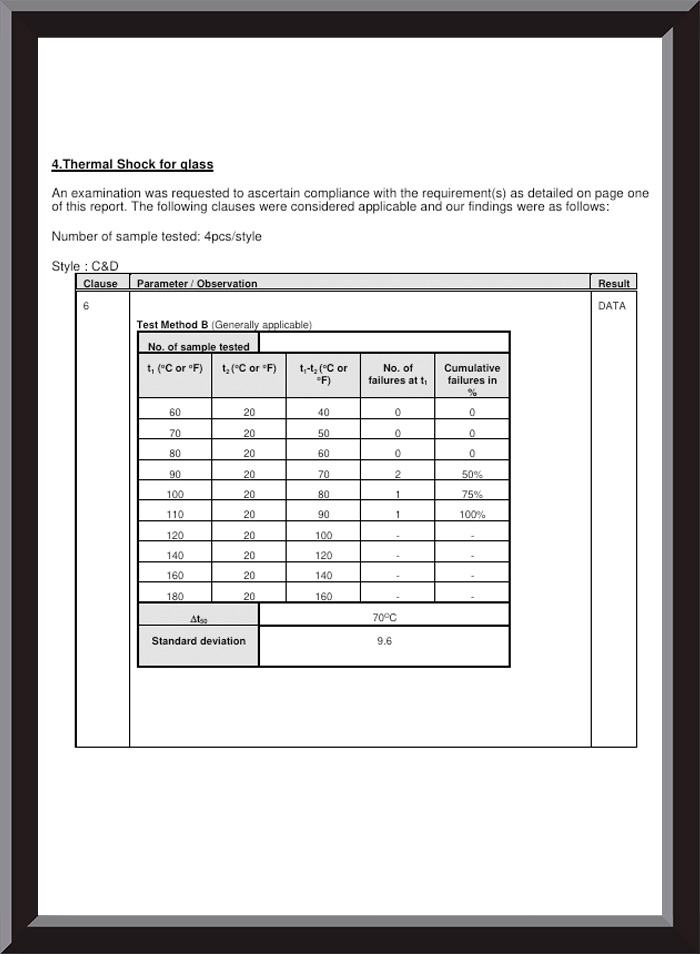
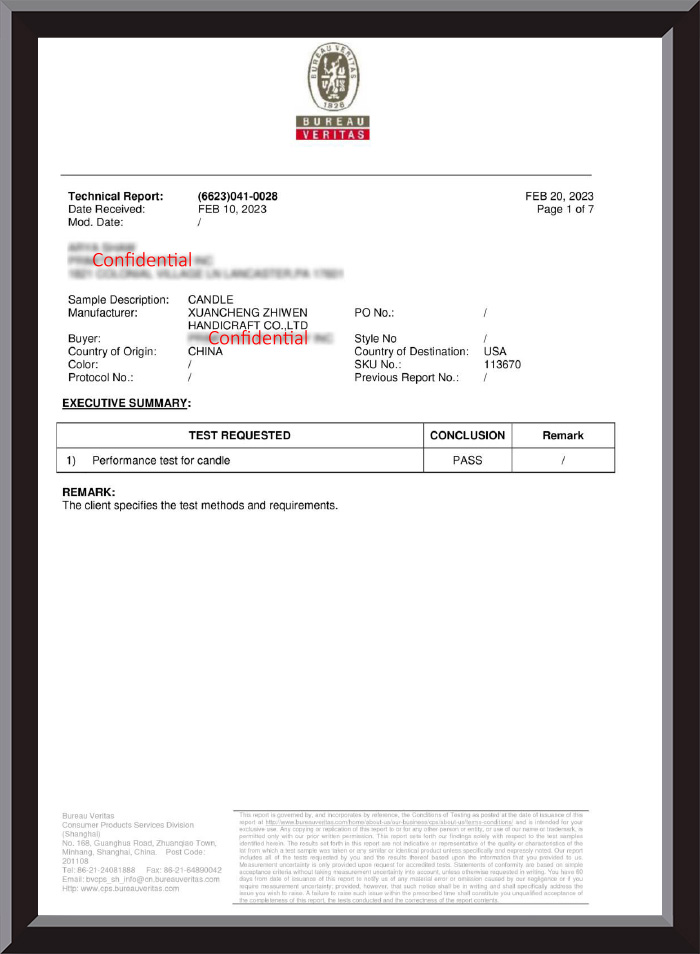
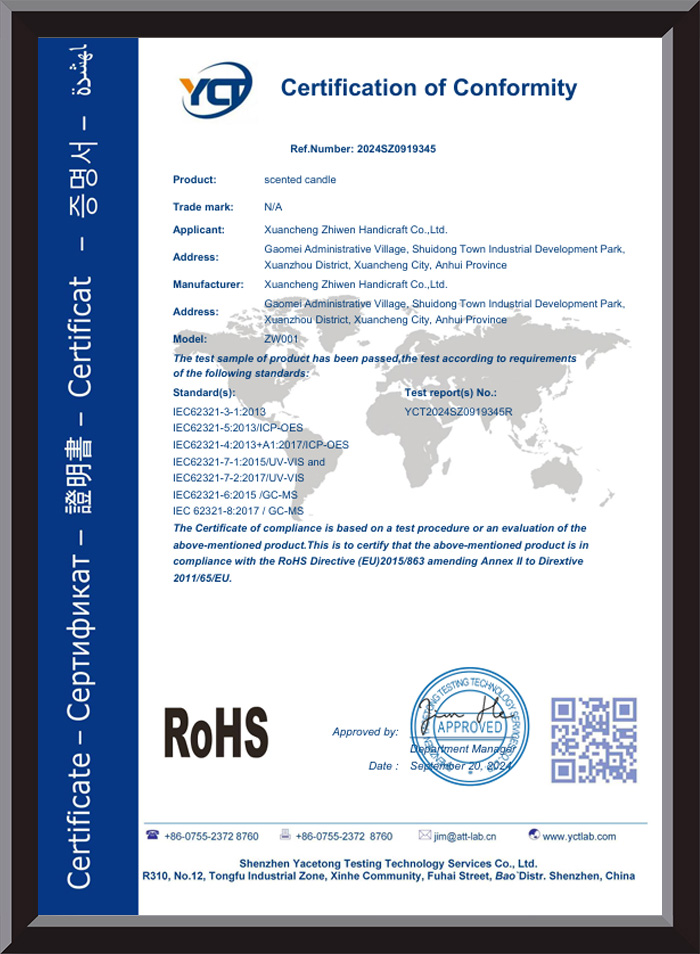
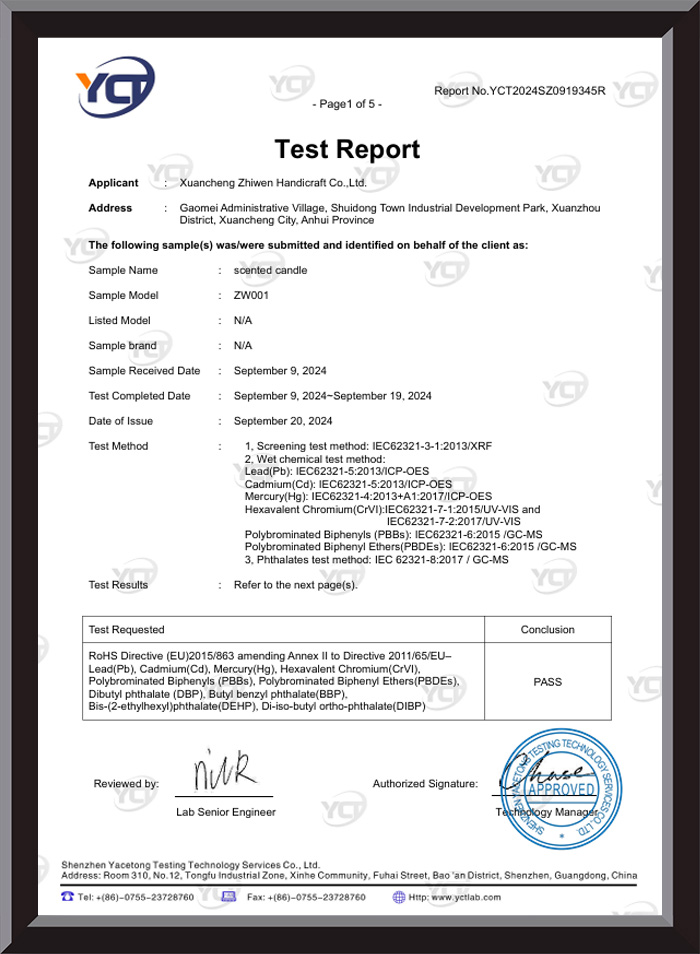
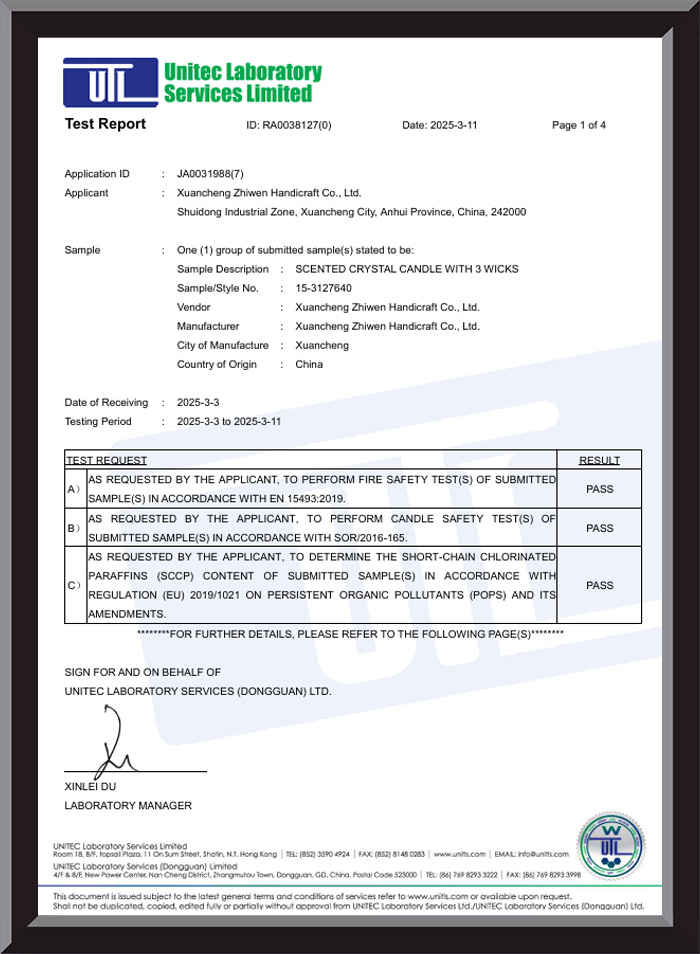
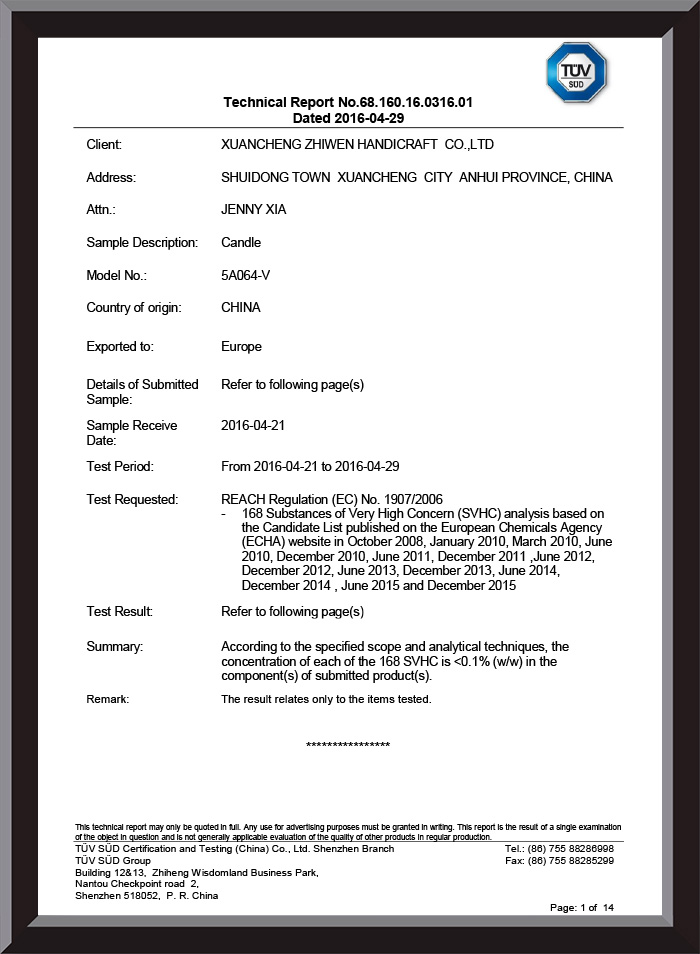
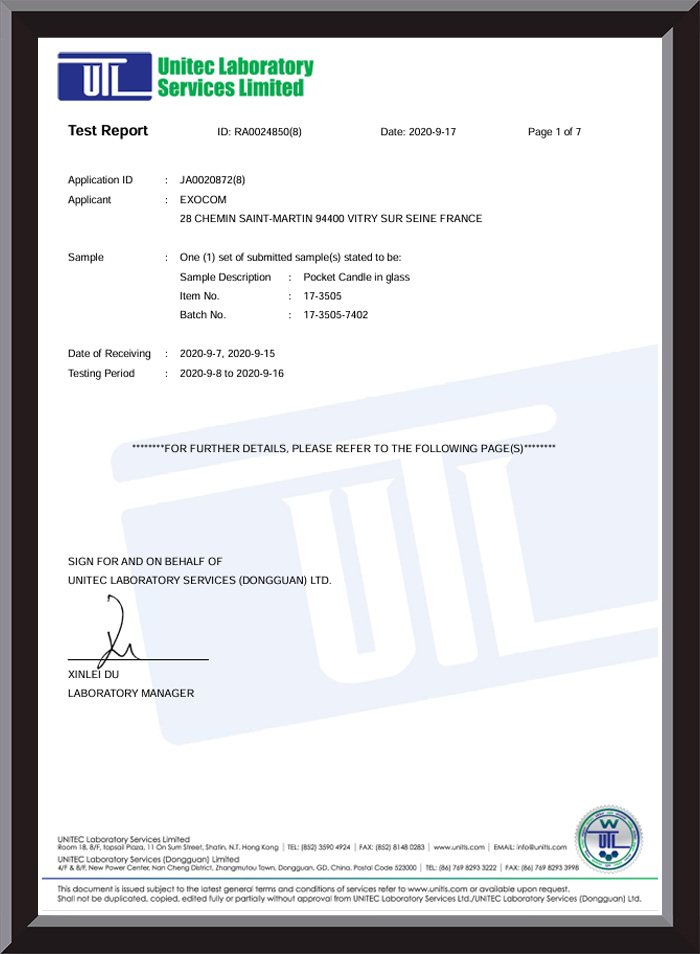
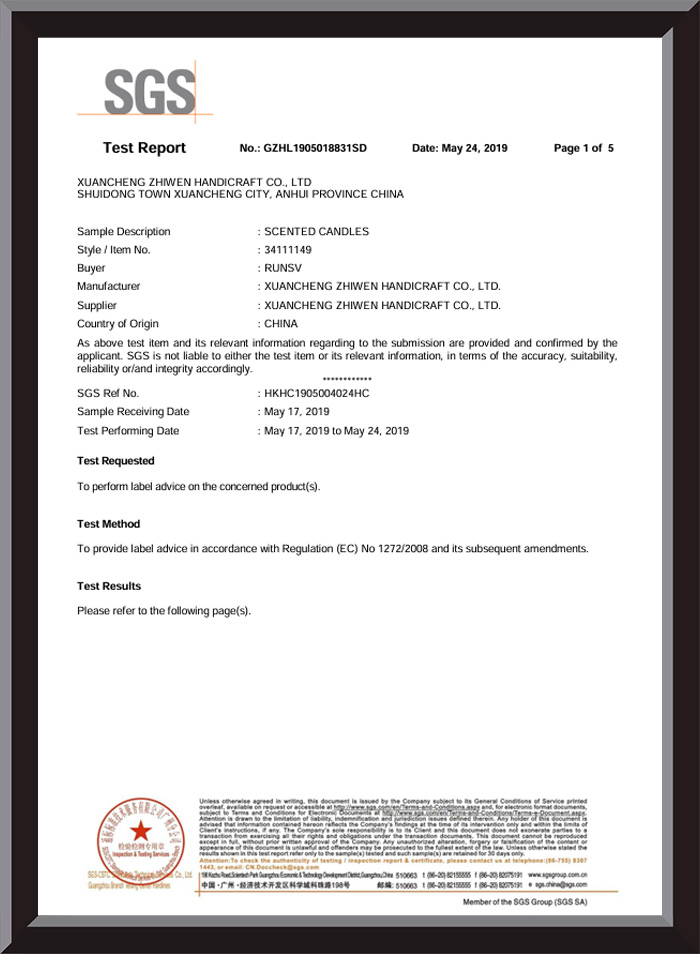
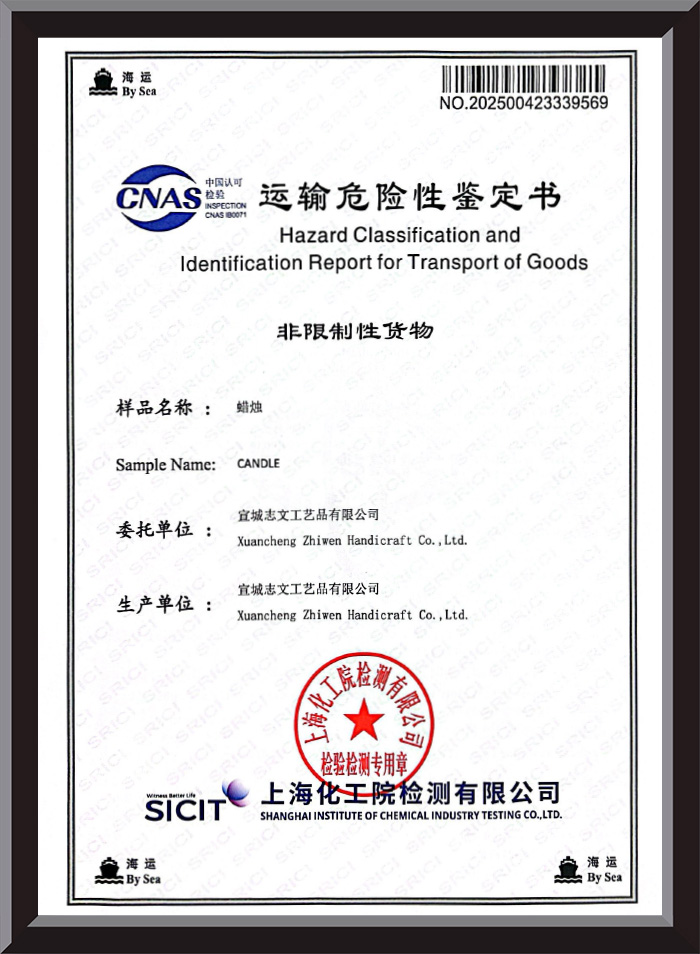
Plant-Based Wax Blends: Renewable & biodegradable soy/coconut/beeswax formulas—free
from paraffin and toxins.
Clean-Burning Wicks: 100% lead-free cotton cores for smoke-free, non-toxic flames.
Recyclable Packaging: Glass jars, tin containers & FSC-certified paper boxes designed for
zero-waste living.

Low-Waste Production: Wax remnants are upcycled, and imperfect items are ethically repurposed.
Energy-Smart Manufacturing: Solar-powered facilities reduce carbon emissions.
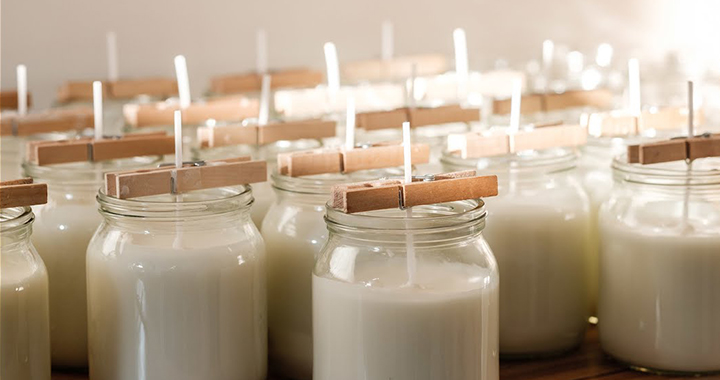
Visual Inspection: Ensuring flawless wax surfaces and scratch-free vessels.
Fragrance Test: Achieving a balanced scent without being overpowering.
Burn Trial: Delivering soot-free flames with consistent burn time.

Vegan & Cruelty-Free: uses plant-derived dyes and fragrances without animal testing.
Fair Trade Ingredients: Sourcing ethically sourced essential oils that support global communities.
How Wax Formulation Influences Burn Performance
Natural soy wax is valued for its renewable origin, smooth appearance, and relatively slow burn, but buyers should evaluate more than the wax name on a specification sheet. Soy wax can vary in melting point, hardness, oil-binding capacity, and resistance to temperature changes. These differences directly affect container adhesion, fragrance release, surface finish, and shipping stability.
A softer formulation may provide strong cold fragrance and an attractive creamy surface, while a harder formulation can perform better during warm-weather transportation. However, excessive hardness may reduce melt-pool development or require a larger wick. For export orders, the preferred formulation should reflect the destination climate, container diameter, fragrance concentration, and expected storage conditions.
Useful Specification Points to Confirm
- Wax melting range and recommended pouring temperature
- Maximum tested fragrance load for the selected scent oil
- Expected curing period before burn testing or shipment
- Performance after storage at elevated and reduced temperatures
- Compatibility with clear, colored, frosted, or ceramic containers
At Zhiwen, we normally recommend matching the wax system to the full soy wax scented candle structure rather than selecting wax independently. This helps reduce common issues such as frosting, wet spots, uneven burning, and fragrance separation before mass production begins.
Evaluating Fragrance Load Beyond Percentage
A higher fragrance percentage does not automatically create a stronger or better natural soy wax scented candle. Fragrance performance depends on oil composition, wax compatibility, curing time, wick temperature, container dimensions, and the size of the room in which the candle is used. In some formulas, increasing the fragrance load can weaken combustion, create surface sweating, or reduce scent clarity.
Buyers should distinguish between cold throw, the scent detected before lighting, and hot throw, the fragrance released during burning. A candle may smell intense in the jar but perform poorly once lit. Reliable development therefore requires controlled burn tests rather than fragrance evaluation from an unlit sample alone.
| Variable | Why It Matters | Buyer Checkpoint |
|---|---|---|
| Fragrance concentration | Affects scent strength and wax stability | Confirm the tested range, not only the target percentage |
| Curing time | Allows fragrance and wax to stabilize | Test samples after the recommended curing period |
| Burn environment | Room size and airflow change scent perception | Use a consistent test room and burn duration |
For private-label projects, we can compare several fragrance loads and wick combinations before confirming the production formula. The practical objective is a balanced candle with stable wax, clear fragrance, and controlled combustion.
Wick Selection, Burn Testing, and Batch Approval
Wick selection should be based on the complete formula, not only container diameter. Soy wax type, fragrance ingredients, dyes, additives, vessel shape, and fill weight can all change the amount of heat required to maintain a stable flame. Even two fragrances used at the same percentage may require different wick sizes because their chemical compositions affect viscosity and combustion.
A suitable wick should create a controlled melt pool without producing excessive soot, smoke, mushrooming, or container heat. During development, samples should be burned in repeated cycles that reflect normal consumer use. Testing only the first hour can hide problems that appear later, especially when the flame reaches the lower half of the container.
Recommended Approval Sequence
- Record the wax, fragrance, wick, container, dye, and filling parameters.
- Allow samples to cure under controlled conditions.
- Conduct repeated burn cycles and measure flame height, melt-pool depth, soot, and vessel temperature.
- Repeat testing after temperature storage or transportation simulation.
- Approve a sealed reference sample for comparison with mass-production batches.
For larger orders, buyers should also request traceable batch records and clear tolerance limits. Important controls may include fill-weight variation, wick centering, label position, fragrance dosage, and appearance standards. A signed pre-production sample should be treated as the measurable acceptance standard, not merely as a visual reference.
With more than two decades of production experience and patented candle-production equipment, Zhiwen supports repeatable processing for overseas private-label programs. We focus on converting approved samples into consistent batches while keeping packaging, labeling, and processing requirements aligned with the buyer’s market.
Get in touch: [email protected]
Copyright © Xuancheng Zhiwen Handicraft Co., Ltd.
