 English
 Français
 Deutsch
3 Wick Candles Explained: Benefits, Sizing, and Sourcing
Content
What Is a 3 Wick Candle
Pick up a candle wider than about 3.5 inches across, and a single wick starts to struggle. It can only melt wax so far from the flame, so past a certain diameter the center tunnels down while a ring of solid wax sits untouched near the glass. A 3 wick candle solves that by spreading three flames across the surface instead of relying on one.
The principle behind it is capillarity — the same force that lets a wick's fiber draw melted wax upward to fuel the flame. Three wicks working in parallel simply cover more surface area, which lets a wider container melt evenly from edge to edge rather than leaving unmelted wax behind.
The Benefits of a 3 Wick Design
The most obvious payoff is fragrance. Three flames create a larger, hotter melt pool, and a bigger pool of liquid wax releases scent more aggressively than a smaller one. For fragrance-forward product lines, that difference is often the whole reason a brand chooses a multi-wick format over a single wick.
There's a visual upside too. Three flames flickering in a triangle create a fuller, more dramatic glow than a single wick can produce, which is part of why 3 wick candles are a common choice for larger jars and statement pieces meant to anchor a room.
The tradeoff is burn rate. A bigger melt pool means the wax is consumed faster per hour of burning, so 3 wick candles are usually built with more total wax than a single-wick candle to keep the overall burn time competitive.
3 Wick vs Single Wick: What Changes
The right choice comes down to container size and how much fragrance throw the product is meant to deliver. The table below outlines where each format tends to perform best.
| Characteristic | 3 Wick Candle | Single Wick Candle |
|---|---|---|
| Ideal container width | 4.5 inches and above | Up to about 3.5 inches |
| Fragrance throw | Strong, faster release | Steady, more contained |
| Melt pool speed | Faster | Slower |
| Visual effect | Fuller, more dramatic glow | Soft, subtle flicker |
| Typical price position | Higher, premium tier | Entry to mid tier |
Matching Wick Count to Container Size
Most wick types burn a melt pool between 3 and 3.5 inches wide before carbon builds up on the tip and the flame starts to run hot. That ceiling is what drives the decision to add wicks as a jar gets wider. A practical starting point is one additional wick for roughly every inch of diameter past 3 inches — two wicks around 4 inches, three wicks around 5 inches, four wicks closer to 6 inches.
Placement matters as much as count. In round containers, three wicks are typically arranged in a triangle so their individual melt pools overlap evenly rather than crowding the center or leaving gaps near the glass. This layout is common across our jar candle formats designed to accommodate multiple wicks, where the wider mouth of the jar gives each flame room to burn without interference.
Pillar candles present a slightly different case, since the wax has no glass to contain it. Larger pillars over roughly 6 inches in diameter often use a 3 wick layout for the same reason jars do, and it's a consideration worth reviewing alongside our pillar candle styles that also benefit from a multi-wick setup when sizing a larger format product.
Getting the First Burn Right
The first burn sets the tone for everything after it. All three wicks should be lit together, even if the end customer plans to burn just one at a time later on, and the candle should stay lit until the entire surface melts edge to edge. Cutting that first burn short is the single most common cause of tunneling in multi-wick candles.
Trimming matters just as much on repeat burns. Wicks should be cut to roughly 1/8 to 1/4 inch before each lighting — long enough to sustain a stable flame, short enough to avoid the carbon buildup that leads to soot and an uneven pool. As a general safety guideline, no candle should be left burning for more than about four hours at a stretch, since extended burns raise the risk of carbon buildup and flame flare-up.
Producing 3 Wick Candles for Your Line
A 3 wick candle looks simple from the outside, but getting the wick spacing, wax type, and fragrance load to work together consistently across a production run takes real testing — inconsistent placement or the wrong wax density can throw off the melt pool balance between wicks.
Xuancheng Zhiwen Handicraft Co., Ltd. has more than 20 years of experience developing scented candle formulations at scale, supported by 11 patents in production equipment, which covers exactly this kind of multi-wick calibration work from early sampling through full production.
Brands weighing a 3 wick addition to their catalog can start by reviewing the full home fragrance candle lineup available for custom development to compare container sizes and formats before moving into wick testing.
-
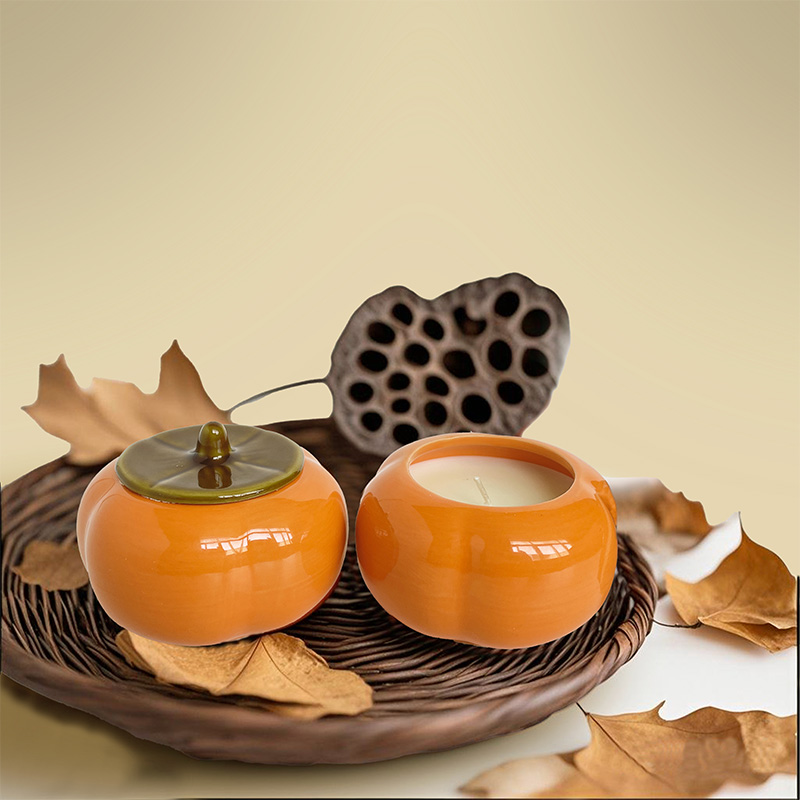 Persimmon-Shaped Soy Wax Scented Candle – New Chinese Style, Cotton Wick
-
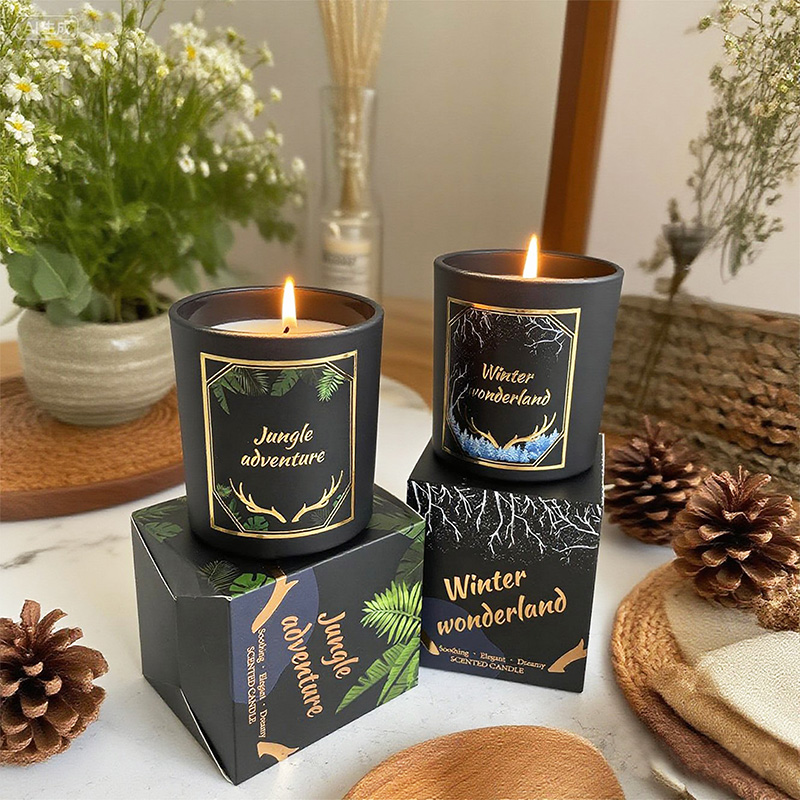 Black Textured Glass Scented Candle with Gold-Stamped Label, Wooden Wick – Custom Logo
-
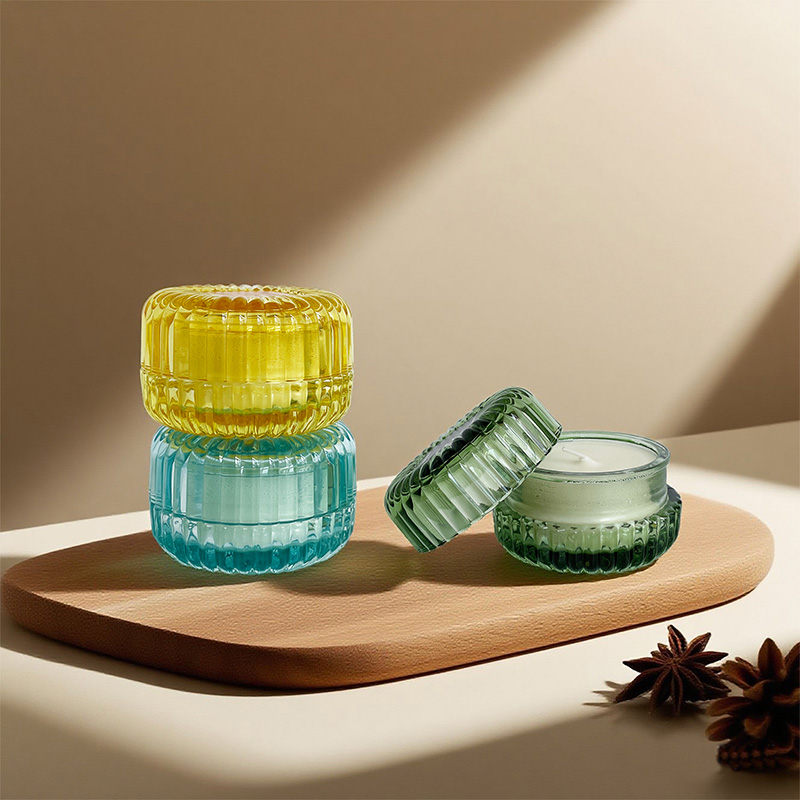 Macaron Soy Wax Scented Candle – Cotton Wick, Custom Logo
-
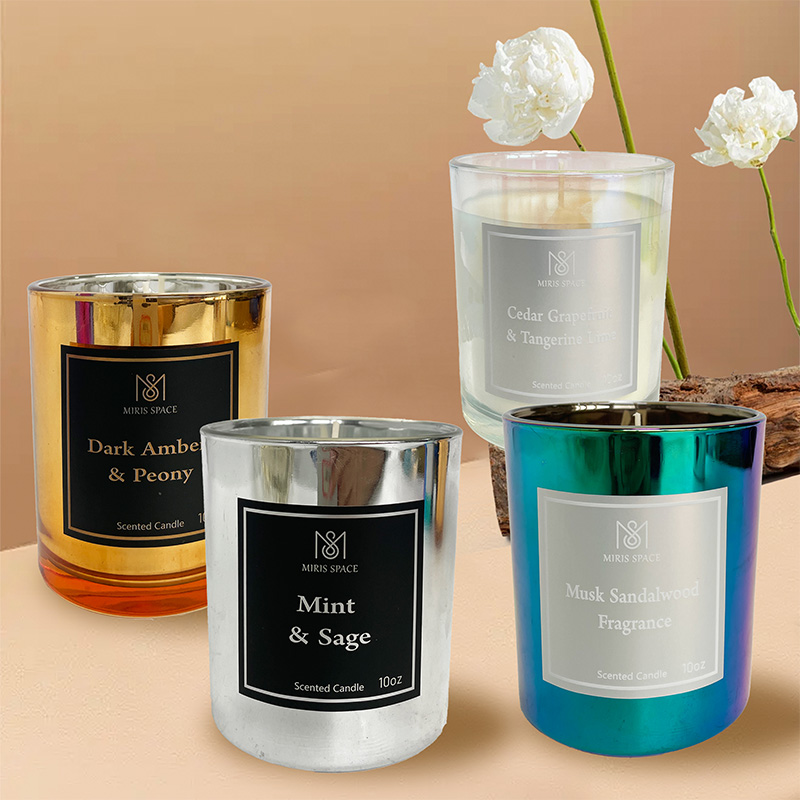 Electroplated Glass Cup Soy Wax Scented Candle with Cotton Wick – Custom Logo
-
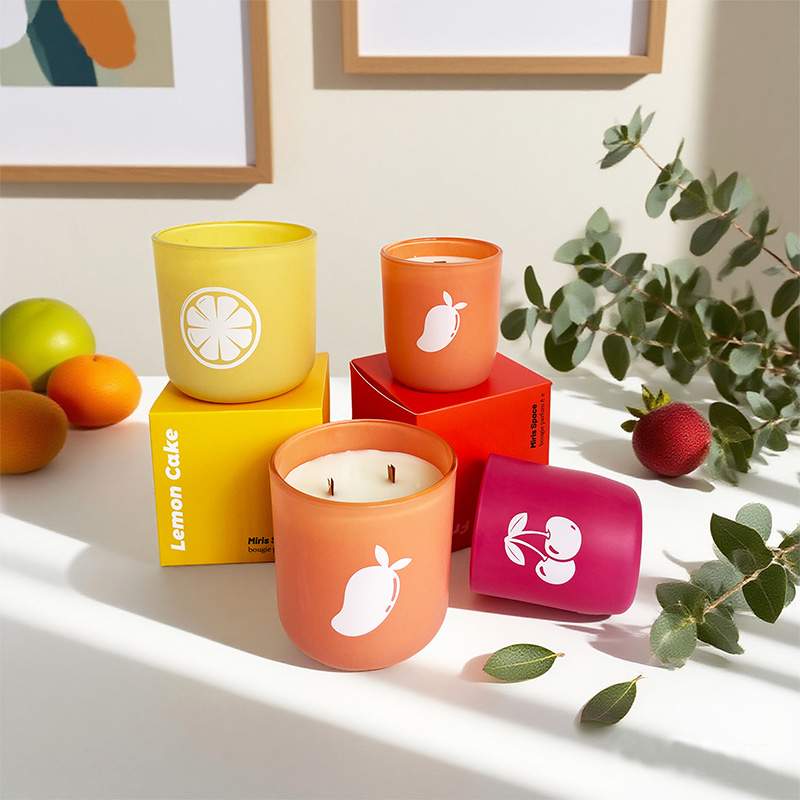 Colorful Tropical Fruit Soy Wax Scented Candle with Wooden Wick
-
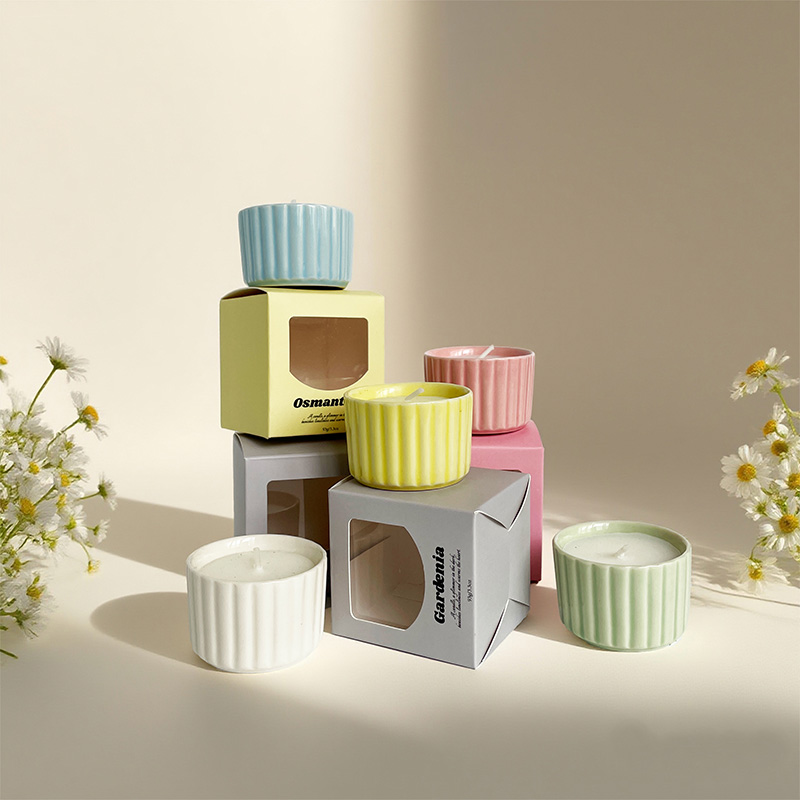 Small Portable Colorful Minimalist Scented Candle with Pure Natural Soy Wax and Cotton Wick
Get in touch: [email protected]
Copyright © Xuancheng Zhiwen Handicraft Co., Ltd.
