 English
 Français
 Deutsch

Are All Taper Candles the Same Size? Length, Diameter and Fit Explained
Content
- 1 What the Word Taper Really Means
- 2 The Measurements That Actually Vary
- 3 Common Taper Sizes at a Glance
- 4 Diameter Decides Whether It Fits
- 5 How to Measure Before You Buy
- 6 Why Two Candles of the Same Labelled Size Can Still Differ
- 7 A Quick Word on Scent and Burn Time
- 8 If You Are Sourcing Tapers for a Brand
- 9 Questions Worth Asking Any Supplier
Few candle questions are as practical as this one. The short answer is no: taper candles come in many sizes, and two candles that look almost identical on the shelf can differ by a full inch in length and a millimetre or two in diameter — enough to make one stand straight in your candlestick and the other lean.
We have been producing candles for brands overseas since 2004, and this is a question our customers ask twice over: once as buyers, and once as people setting a table at home. Below is what actually varies, the sizes you are most likely to meet, and how to check a candle before you spend money on it.
What the Word Taper Really Means
Technically, a taper is a candle that narrows gradually toward the top, so the flame end is slimmer than the base. In everyday retail use, the word is applied far more loosely. Plenty of candles sold as tapers are straight-sided cylinders that hold the same diameter from top to bottom; they are called tapers because of how they are used, not because of how they are shaped.
What nearly all of them share is a slim body meant to stand upright in a candlestick, plus a base designed to keep the candle steady — a spike, a narrow nub, or a flat bottom. Those two features are also where most of the size variation comes from.
The Measurements That Actually Vary
Length
Taper lengths run from roughly 4 inches (10 cm) for small accent candles to 20 inches (50 cm) or more for floor stands and dramatic mantels. The two lengths you will meet most often are 9 inches and 12 inches, with 6, 8, 10, 15 and 18 inches close behind. Length affects burn time more than anything else: a slim 9-inch taper commonly burns for around seven hours, while a 12-inch candle of similar diameter will keep going for several hours longer.
Diameter
This is the number that decides whether a candle fits. The long-standing standard for household candlesticks is 7/8 inch, roughly 22 mm. But 1/2 inch (about 12 mm) tapers, 3/4 inch (19 mm), 1 inch (25 mm) and even 2 inch (50 mm) tapers for large plate holders are all made and sold. A difference of one millimetre is enough to turn a snug fit into a loose wobble, because candle holders are themselves made to fairly tight tolerances.
Base and Shape
Bases come spiked, so the candle can be pressed onto a pricker inside the holder; flat, for holders with a simple cup; or self-fitting, with a slightly tapered foot. Shapes vary just as much — straight, twisted, fluted, carved, or sculpted into figurines and florals. Shaped candles are usually decorative first and functional second, so we tend to think of them alongside our pillar and shaped candle collections rather than next to a plain dinner taper.
Common Taper Sizes at a Glance
The table below is a practical map of what you will most often find. Treat the numbers as typical rather than fixed, because every maker finishes its candles a little differently.
| Length | Typical diameter | Base style | Approximate burn time | Common use |
|---|---|---|---|---|
| 4.5–6 in (11–15 cm) | 1/2 in (12–13 mm) | Flat or spiked | 3–4 hours | Small or vintage holders, cake tables |
| 8–10 in (20–25 cm) | 7/8 in (22 mm) | Spiked or nubbed | 6–8 hours | Everyday candlesticks and dinner tables |
| 12 in (30 cm) | 7/8 in (22 mm) | Spiked | 9–10 hours | The classic dining length |
| 15–18 in (38–46 cm) | 7/8–1 in (22–25 mm) | Spiked | 10–14 hours | Floor stands, tall holders, mantels |
| 20 in and above | 7/8–1 in (22–25 mm) | Spiked | 14 hours and up | Large arrangements and event styling |
Two notes on the numbers. Burn times assume a trimmed wick and still air; a draughty room can cut them by a third. And the diameters listed are the ones most commonly stocked — special orders can be almost any size the mould allows.
Diameter Decides Whether It Fits
If you remember one thing, remember this: length is a style choice, diameter is a compatibility question. A 12-inch taper that is too wide will not go into the holder at all, while a 6-inch taper that is too narrow will lean, drip and make a mess of your table.
It is also worth looking inside the holder. Some sockets have a small spike in the middle, which means the candle needs a soft, centred base it can be pressed onto. Others are plain cups, sometimes quite deep, and a candle with an unusually long base taper may bottom out before it feels stable. Old brass and crystal holders are the most likely to be off standard, since they were often made to suit whatever candles were common in their own market.
How to Measure Before You Buy
- Measure the inside of the holder at the top, edge to edge, with a ruler or callipers. Note the figure in millimetres if you can.
- Check whether the socket has a spike or is a plain cup, and measure how deep it is.
- Compare that with the candle's stated diameter. If the listing gives only a length, ask the seller.
- Aim for a candle that matches the opening or is a fraction of a millimetre smaller. Never buy one that is clearly wider.
- If a candle is slightly wide, a gentle shave at the base with a warm knife will usually do it. If it is slightly narrow, candle adhesive or a holder adapter is safer than wedging paper into the socket.
Why Two Candles of the Same Labelled Size Can Still Differ
Two tapers can both be marked 7/8 inch and still sit differently. Wax shrinks as it cools, and different waxes shrink at different rates; soy, palm and paraffin blends each pull away from the mould a little differently. Mould wear, pouring temperature, cooling time and hand finishing all nudge the final diameter by a few tenths of a millimetre.
 Multi-Size Cylindrical Soy Wax Scented CandleSix cylindrical sizes with a uniform shape help buyers compare diameter options, while natural soy wax, cotton wicks and custom branding suit commercial orders.View Product →
For a candle maker, that is exactly why tolerances are written down rather than assumed. A brand selling holders alongside its candles will usually specify a diameter range and a maximum ovality, then check samples with callipers. The same discipline applies to wicks, which have to match the diameter: an undersized wick tunnels, an oversized one drips. If you would like to see how formulation and finishing affect the result, our note on production methods and formulas for scented candles walks through the basics.
A Quick Word on Scent and Burn Time
Tapers have a small melt pool and a slim reservoir of wax, so they release fragrance far less readily than a jar candle carrying the same scent load. Most tapers on the market are unscented, or only lightly scented, for that reason. If fragrance matters more to you than the classic silhouette, a jar or pillar format will serve you better. If you love the look of tapers, enjoy them for what they are and expect the scent to stay subtle.
If You Are Sourcing Tapers for a Brand
Buyers usually ask us for three things when tapers are on the table: a consistent diameter, a stated tolerance, and a burn test that reflects how the candle will actually be used. A spec sheet fixing length, diameter with a tolerance, base style, wax, wick size, colour and fragrance load gives a factory everything it needs to quote accurately and to keep repeat orders consistent.
 Arch Vertical Stripe Soy Wax Pillar CandleAvailable in two sizes, its arched contour and vertical stripes suit decorative church, club, hotel-lobby and installation settings, with cotton wicks and custom logo printing.View Product →
It also pays to think about packaging early. Tapers are long and thin, so boxes, sleeves and inserts all need to protect both the tip and the base. Samples are worth the time: stand a sample in the holder you plan to sell with it, burn it for an hour, and check for lean, drip and smoke before you commit to a production run.
Questions Worth Asking Any Supplier
- What is the exact diameter, and what tolerance do you hold across a batch?
- Is the base spiked, flat or self-fitting, and how long is the base taper?
- Which wax is used, and which wick size is matched to this diameter?
- How was the burn time measured, and under what conditions?
- Can I see samples drawn from current production rather than from a display set?
None of this is complicated once you know what to look for. Taper candles are not one standard product; they are a family of slim candles that share a silhouette and a job. Check the diameter first, then the length, then the base, and you will rarely bring home a candle that refuses to stand up.
If you are the one making or sourcing them, the same order applies: decide the holder first, write the number down, and let everything else follow. That is how we have approached candle making since 2004, and it has served our customers in more than 30 countries well.
-
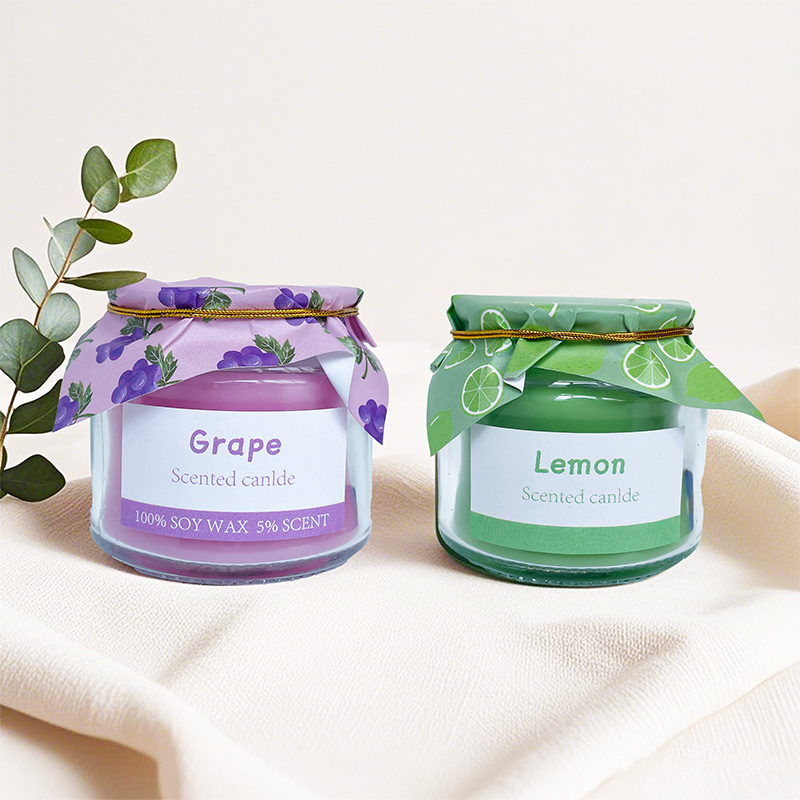 Glass Jar Fruit Scented Candle – Natural Soy Wax, Custom Logo Available
-
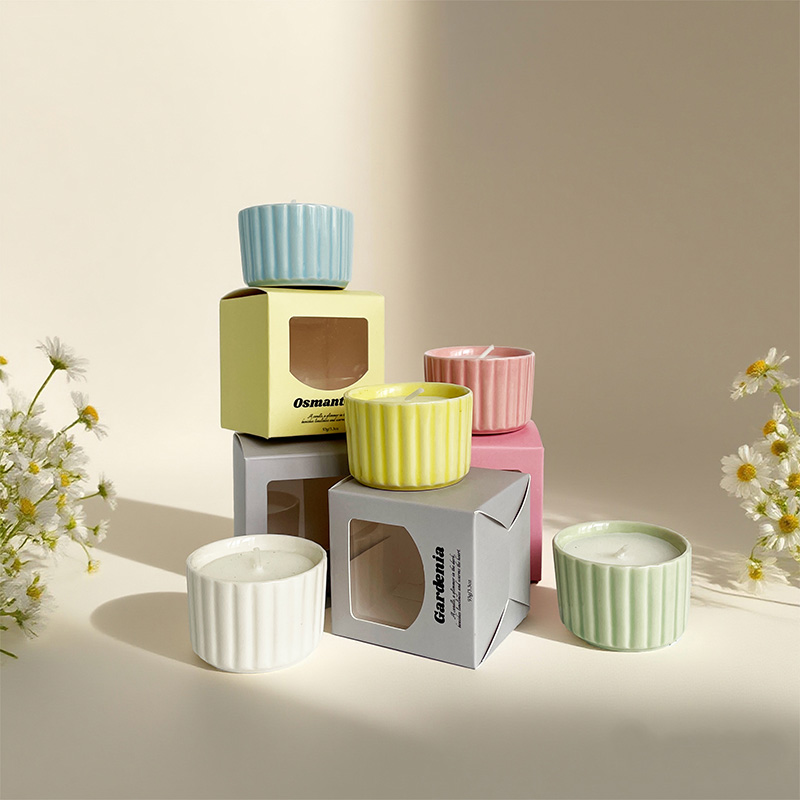 Small Portable Colorful Minimalist Scented Candle with Pure Natural Soy Wax and Cotton Wick
-
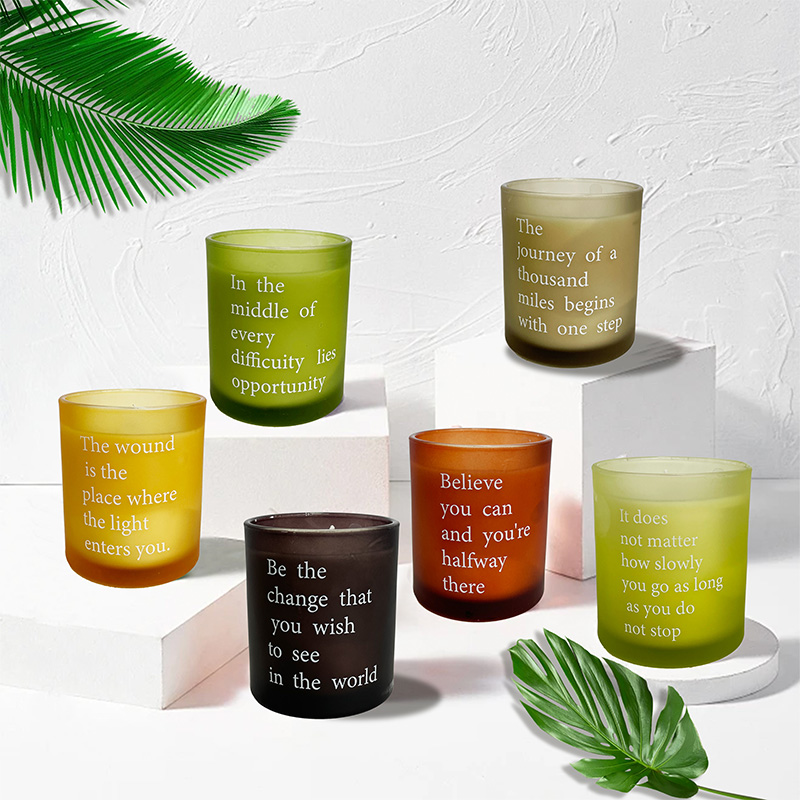 Colored Frosted English Print Scented Candle Customizable Natural Soy Wax
-
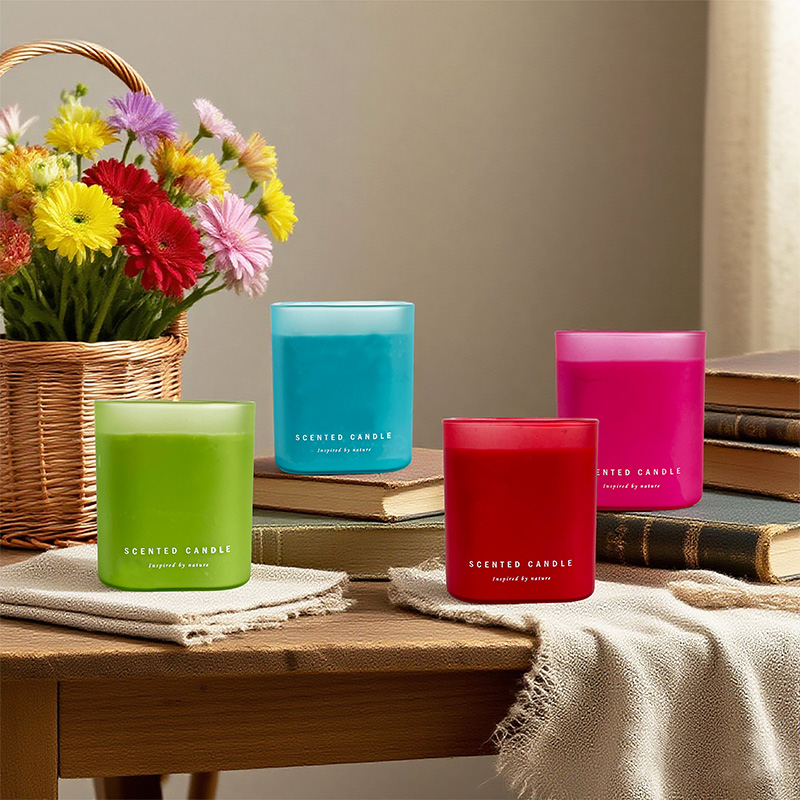 Square Colored Wax Scented Candle Wholesale Soy Wax Private Custom Logo
-
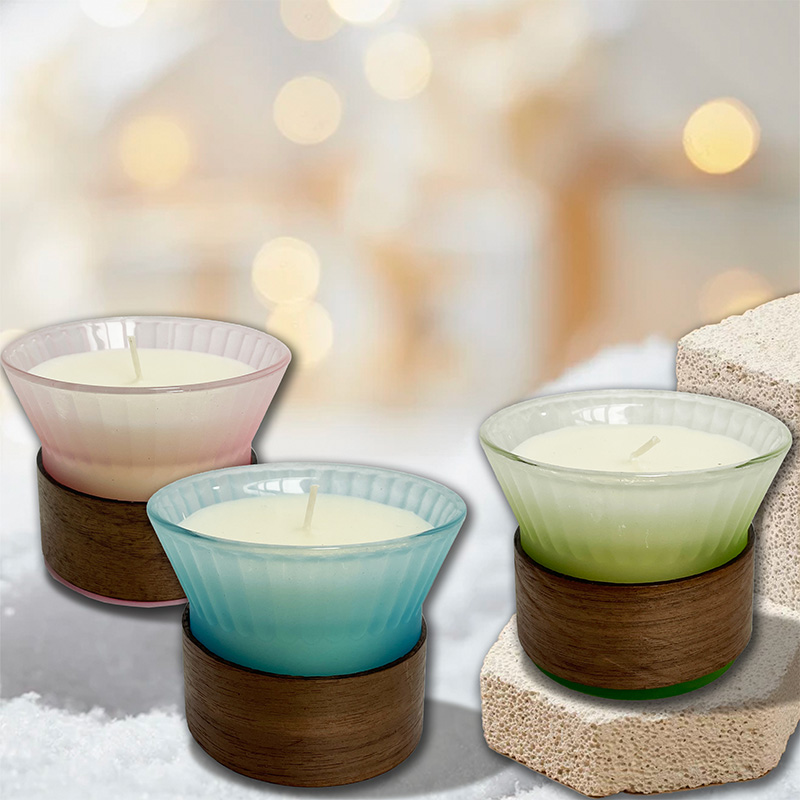 Natural Soy Wax Niche Scented Candle for Home Use, Long-Lasting Fragrance Gift
-
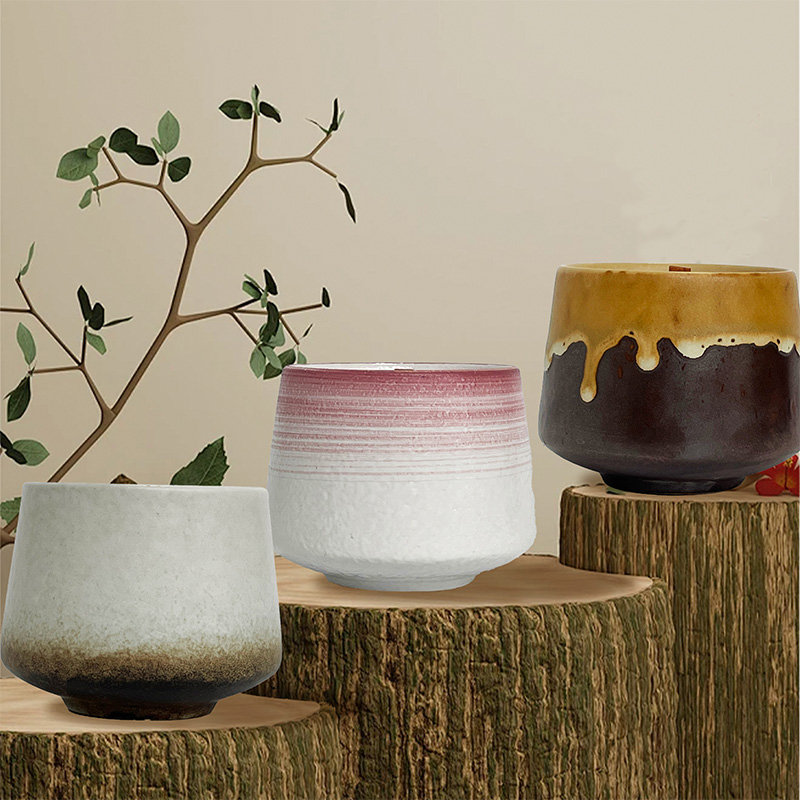 Artistic Romantic Niche Scented Candle with Pure Natural Soy Wax
Get in touch: [email protected]
Copyright © Xuancheng Zhiwen Handicraft Co., Ltd.
