 English
 Français
 Deutsch
Luxury Private Label Candles: A Brand Owner's Guide to Custom Scented Candles
Content
- 1 What Luxury Private Label Really Means
- 2 White Label vs Private Label: Choosing Your Route
- 3 The Decisions That Define a Luxury Candle
- 4 Packaging and Logo Work That Reads as Premium
- 5 Seasonal Collections: Where Luxury Sells Fastest
- 6 Questions to Ask Before You Place a Private Label Order
- 7 What Twenty Years of Candle Manufacturing Teaches You
Luxury private label candles are one of the quietest ways a brand grows up. Nobody sees the factory, the wax batch records or the eleventh round of fragrance testing. They see the finished jar on a shelf, and they decide in about three seconds whether it belongs in their home.
We have spent more than twenty years on the manufacturing side of that three-second decision, making scented candles for brands, importers and retailers in over thirty countries. This guide is written from that side of the table: what luxury actually requires once you look past the marketing language, and how to brief a private label project so the result matches the price you intend to charge.
What Luxury Private Label Really Means
Two terms get used interchangeably in sourcing conversations, and the difference affects both your budget and your brand.
White label candles are already designed. A manufacturer produces a vessel, wax blend and fragrance that any buyer can order, and you add your own label. Private label candles are built for you: the container, wax, wick, fragrance and packaging are chosen or developed exclusively for your brand and are not sold to anyone else.
Luxury, though, is not a label at all. It is a set of physical signals customers register without being able to name. A heavy vessel that does not slide when the lid is lifted. A wax surface that stays smooth after the first burn. A scent that fills a room within twenty minutes and then holds a steady, even presence instead of shouting once and fading. A wick that trims cleanly and does not smoke. Wrap all of that in a box that opens without tearing, and the product feels expensive before anyone reads the name on the lid.
White Label vs Private Label: Choosing Your Route
Most brands we speak with begin in one camp and drift toward the other as volume grows. White label is the faster route: you choose from an existing design, add your label and start selling, which suits market testing or filling a gap in a seasonal range. Private label takes longer because there is development work, but it is the only route that gives you a product nobody else on the shelf can copy. A useful rule of thumb is to launch with white label and reinvest the margin into private label once you know which format and which scent actually sell.
| Consideration | White label | Private label |
|---|---|---|
| Design ownership | Shared, available to other brands | Exclusive to your brand |
| Vessel and fragrance | Selected from an existing range | Developed or chosen with you |
| Custom tooling | Not available | Possible for vessels and molds |
| Minimum order | Lower and more flexible | Higher, driven by materials |
| Best suited to | Market testing, fast range fill | Building a defensible identity |
The Decisions That Define a Luxury Candle
Four choices carry almost all of the perceived value. Get them right and the rest of the project becomes detail work.
The vessel
Glass is the most common choice and the easiest to get wrong. A thin, lightweight jar at a luxury price point is the fastest way to lose a customer, because weight is the first thing anyone notices. Thicker glass, frosted and colored finishes, electroplated surfaces, cement, ceramic and wooden lids all change how the piece reads. Lidded vessels also protect the fragrance load before the first burn. We usually ask brand owners to hold two or three candidates side by side in a room they actually live in, with a real candle inside, before deciding.
The wax
Paraffin, soy, coconut and palm blends all burn, but they behave differently in shipping, in warm retail environments and in how scent travels. Plant-based blends have become the default for premium lines, partly for the story and partly because a well-formulated soy or coconut blend burns cooler and slower. Our own history reflects that shift: we moved into palm wax in 2008 and developed a new plant wax formula to re-enter the United States market in 2020. What matters commercially is repeatability, which means your manufacturer should be able to reproduce the same blend, pour temperature and cure time on order five hundred as on order one.
The wick
Cotton wicks are reliable, forgiving and the safest default for most vessels. Wood wicks crackle and give a luxury line an audible signature, but they need a wider wick and a more carefully balanced wax pool. If crackle is part of your positioning, it is worth reading a full guide to wood wick candles and their sizing before you commit to a container diameter.
The fragrance
This is where most of the money sits. Fragrance oil can take a meaningful share of unit cost, and the gap between a cheap oil and a good one shows within ten minutes of burning: the cheap one smells sharp when cold and disappears once lit. Load percentage, cure time and the balance between cold throw and hot throw all need testing in your actual vessel with your actual wax. Brands with a strong point of view usually start from a mood rather than a note list, and it helps to explore two or three directions instead of thirty.
Packaging and Logo Work That Reads as Premium
Packaging decides whether a candle is perceived as a gift or as a commodity. Foil stamping on a matte black box, a debossed wooden lid, a kraft paper label with a wax seal, a printed sleeve in a soft gradient: each of these raises the price a customer will accept, and each has to be planned early because print finishes add lead time.
On most private label projects we keep ten customization points open at once, covering container, wax, fragrance, wick, packaging, lid, logo printing, print finish, dried flowers and natural crystal. That flexibility is what allows a brand to move from a general home fragrance line into something genuinely distinctive. If you want to see how those choices come together, our aromatherapy candle collection shows the range of vessels, labels and finishes currently in production.
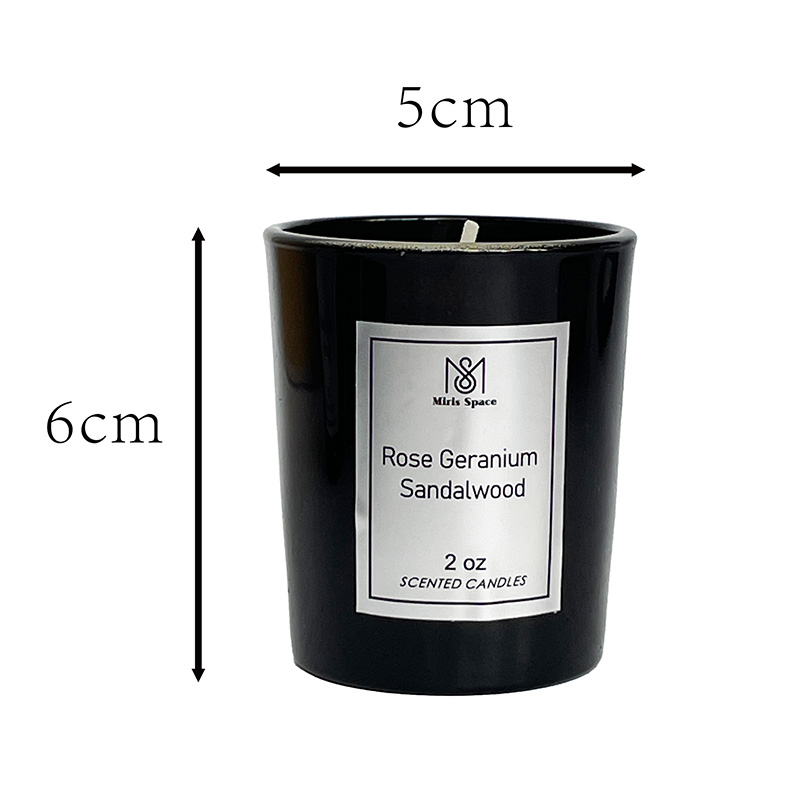 Black & White Luxury Soy Wax Scented Candle SetA black-and-white natural soy wax candle set with multiple candles, vanilla, rose, and cedar scents, plus custom logo printing and tailored packaging.View Product →
Sets are especially effective at a luxury price point, because a boxed pair or trio gives the buyer a reason to spend more without asking them to choose a single scent. Color stories work the same way: black and white, morandi tones, soft gradients and metallic accents all photograph well and photographing well is half of selling online.
Seasonal Collections: Where Luxury Sells Fastest
Holiday candles carry a gifting premium that everyday candles rarely match. Christmas, autumn, Halloween, Valentine's Day and Mother's Day each create a short, intense buying window in which customers are looking for something that feels considered rather than practical.
Shaped candles do a lot of work here. A detachable Christmas tree, a pumpkin with a textured skin, a small ghost or a heart in layered color all read as gifts before the fragrance is even mentioned. What matters in production is that shaped designs still burn properly, so the same wax, wick and fragrance discipline used on a standard jar applies to a novelty figure.
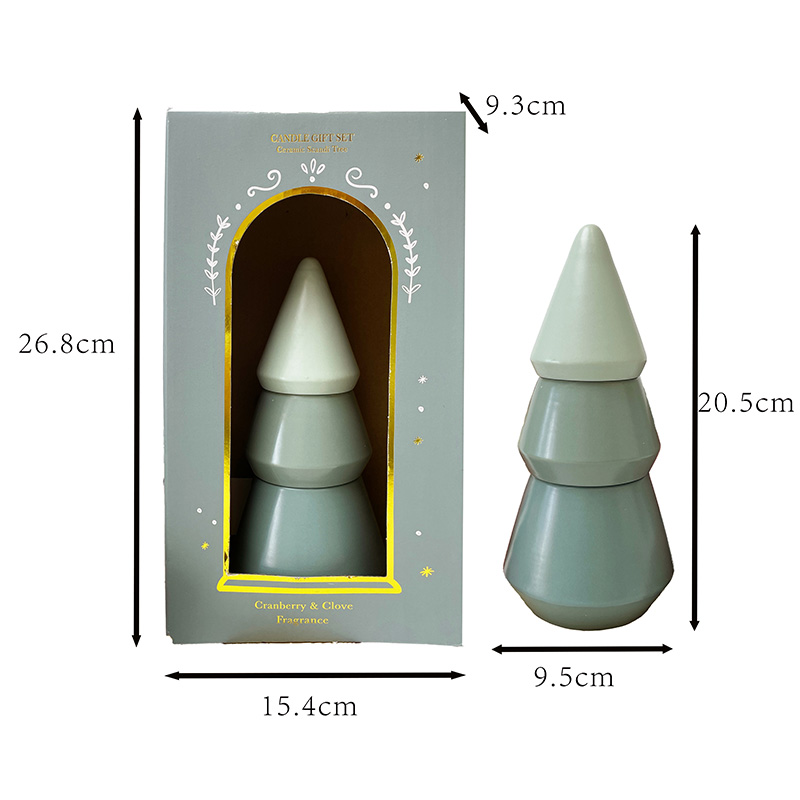 Christmas Tree Detachable Natural Soy Wax Scented CandleA detachable Christmas tree-shaped natural soy wax candle in a ceramic cup, offering festive aroma, independent burnable sections, and custom logo personalization for holiday gifting.View Product →
Timing is the part buyers underestimate. A holiday collection needs to be locked months before the season, because custom vessels, printed boxes and shaped molds all sit in a queue. Brands that begin sampling in the spring are the ones with inventory on the shelf in October.
Questions to Ask Before You Place a Private Label Order
A short checklist will save months of frustration, whether you work with us or with another manufacturer.
- Which wax blend will you use, and can you repeat it exactly on a reorder?
- What fragrance load is included in the quoted price, and can we evaluate cold throw and hot throw in a sample?
- Who owns the mold or tooling if we develop a custom vessel?
- Which certificates, safety documents and labeling details can you supply for our target market?
- What is the realistic lead time for a first order, and how are container delays handled?
- How are samples approved, and will a signed golden sample be kept for reference?
What Twenty Years of Candle Manufacturing Teaches You
Our own story is a fairly honest picture of how this industry changes. The company was founded in 2004 making religious candles for the American market. When anti-dumping duties on paraffin arrived in 2008, we rebuilt around palm wax and opened new markets in Europe, Canada and Panama. In 2019 we developed more than three hundred candle designs with an Australian partner, and a year later a new plant wax formula brought us back into the United States with a long-term decorative client.
Along the way we registered eleven production equipment patents and built in-house design and research teams. That matters to buyers for a practical reason: when a fragrance does not behave in a particular vessel, or a wick tunnels, the answer usually comes from production experience rather than a catalog.
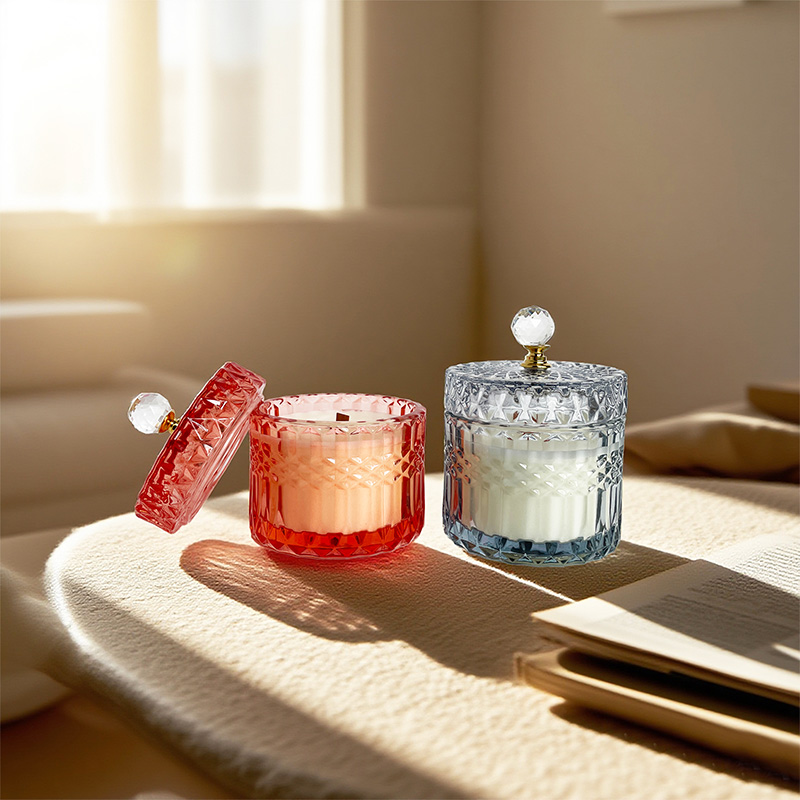 Luxurious Crystal Lidded Soy Wax Scented CandleA pure natural soy wax candle in a crystal-textured lidded glass jar with wooden wick and long-lasting fragrance, suited to high-end settings and custom branding.View Product →
Luxury lines are frequently built around a single statement piece before the range expands, and a lidded crystal vessel with a long-lasting scent is a common starting point for brands entering the premium tier.
If you are planning a private label project for 2027, the sensible first step is small and unglamorous: order samples in the format you think you want, burn them in the rooms your customers actually use, and only then commit to tooling and packaging. The brands that do this end up with a product they can sell for years without redesigning it.
Tell us the market you sell into, the price you want to reach and the story you want the candle to tell, and we will help you work backward from there.
-
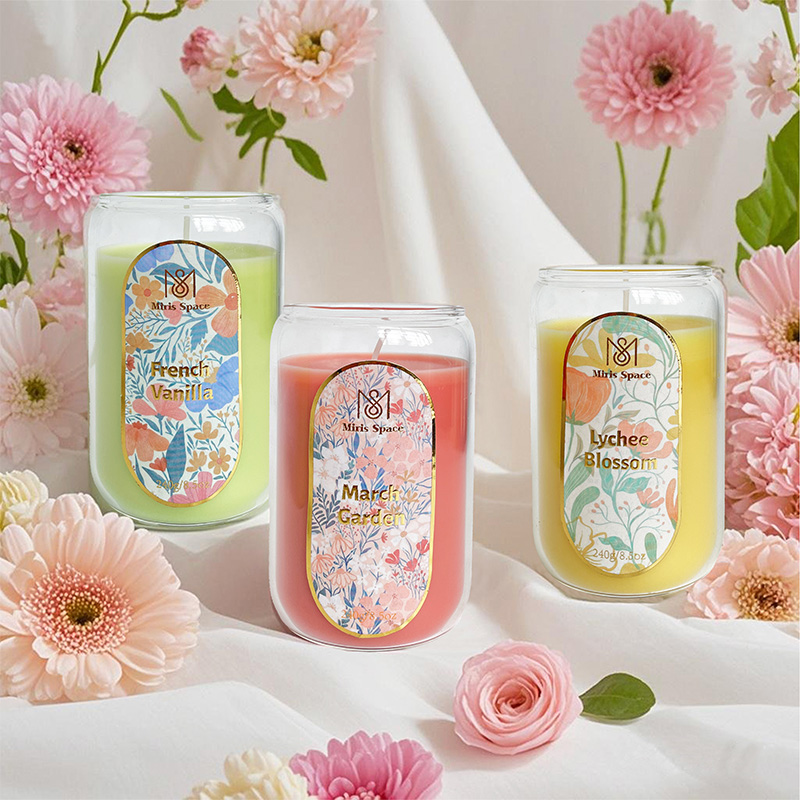 Spring Garden Gold-Label Scented Candle – Private Custom Logo
-
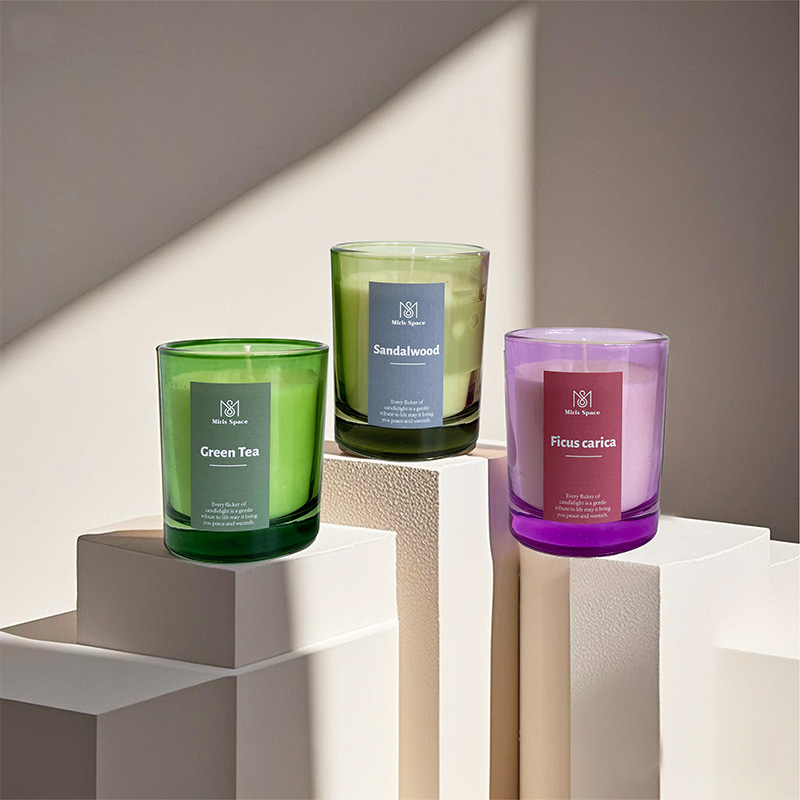 Colorful Glass Jar Natural Scented Candle with Simple Label – Custom Logo Available
-
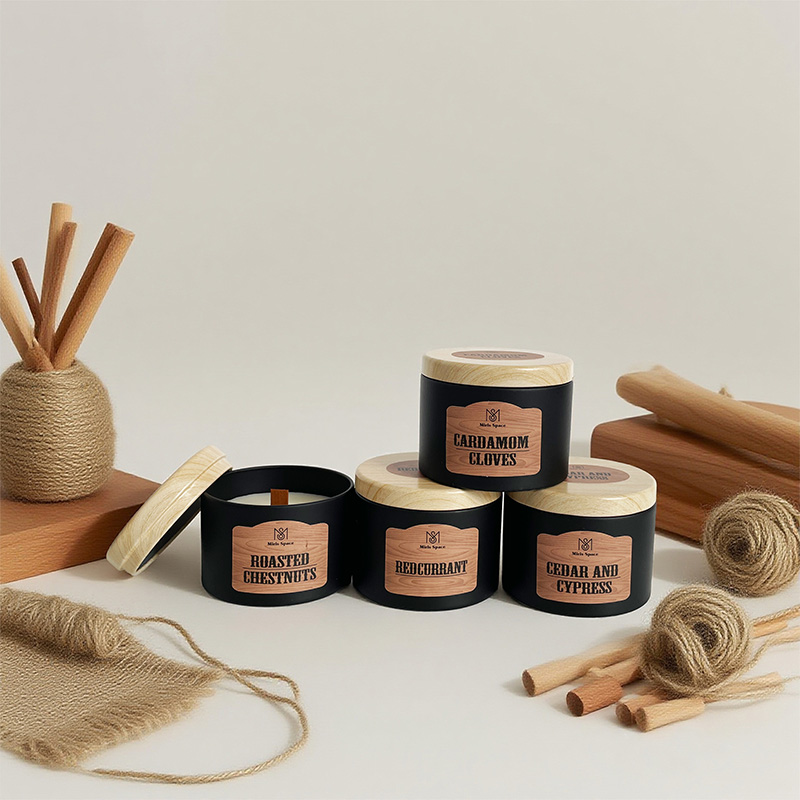 Black Wooden Lid Wood Grain Label Scented Candle Private Custom LOGO
-
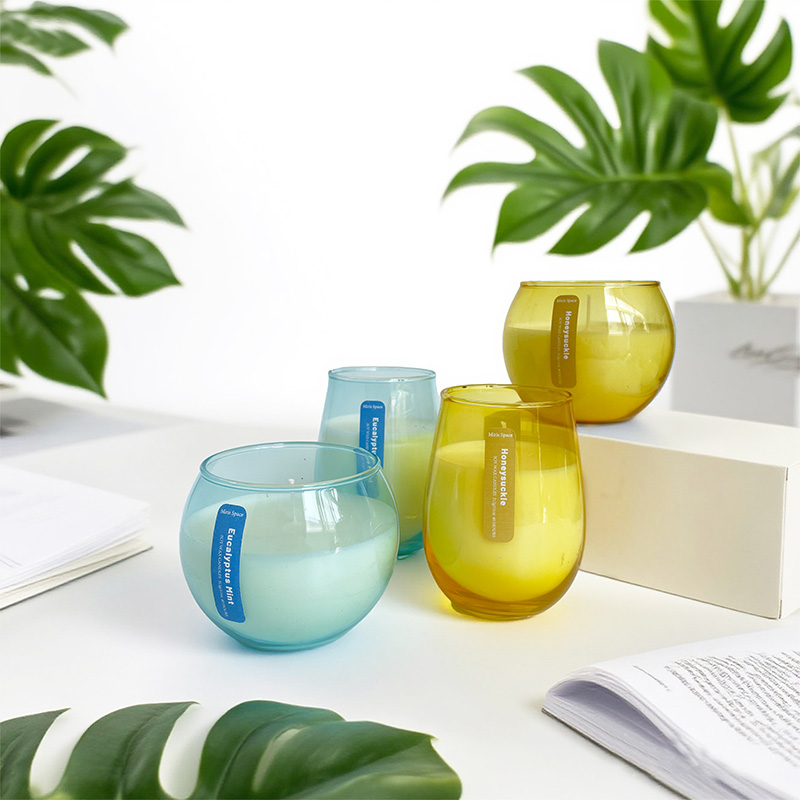 Round Minimalist Label Scented Candle with Pure Natural Soy Wax Private Custom LOGO
-
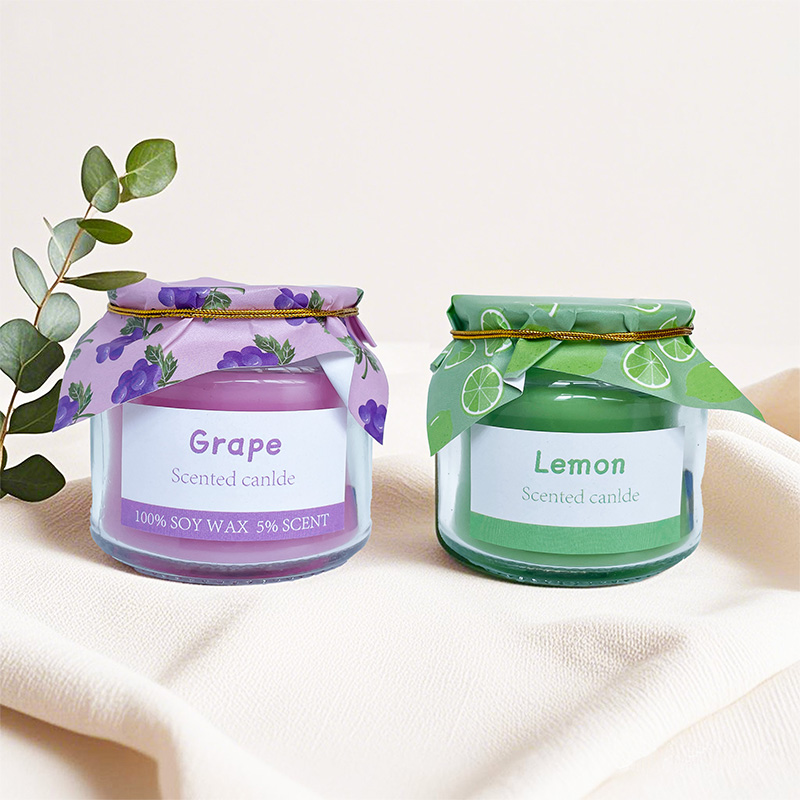 Glass Jar Fruit Scented Candle – Natural Soy Wax, Custom Logo Available
-
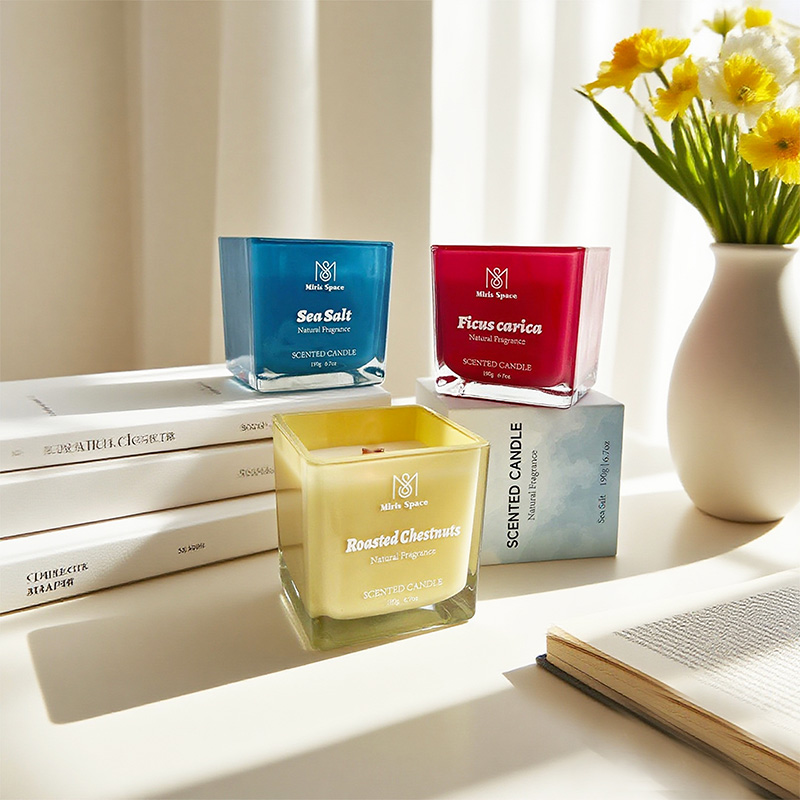 Square Colored Print Scented Candle Private Custom Logo Natural Soy Wax
Get in touch: [email protected]
Copyright © Xuancheng Zhiwen Handicraft Co., Ltd.
