 English
 Français
 Deutsch
Benefits of Soy Wax Candles: Cleaner, Longer-Lasting Scent for Your Brand
Content
Walk into any home fragrance aisle and you will notice the shift immediately. Soy wax has moved from a niche claim on the back of a jar to the main promise on the front. When our candle factory poured its first orders for the American market in 2004, paraffin was the industry standard and soy was the experiment. Two decades later, most of the private label projects that reach us begin with the same question: can we make this in soy?
The answer is almost always yes, and the reasons are practical rather than fashionable. The benefits of soy wax candles come from the material itself, from where it is sourced and how it melts to the way it behaves once a wick is lit. In this article we walk through those benefits one by one, compare soy with the other common candle waxes, and explain what they mean if you are buying candles for a brand, a hotel group or a retail shelf.
If you would like to see how these ideas look once the wax has set, you are welcome to browse our home fragrance production at any point.
What Soy Wax Actually Is
Soy wax is a vegetable wax made by hydrogenating soybean oil. It is a raw material with a defined melting point, a defined crystal structure and a defined way of carrying fragrance, rather than a marketing word printed on a lid.
Compared with paraffin wax, which is refined from petroleum, soy wax melts at a noticeably lower temperature, usually somewhere between 46 and 52 degrees Celsius depending on the blend. That single physical difference explains a large share of the benefits people describe: a cooler pool of wax, a slower feed of fuel to the wick, and a softer, less aggressive burn.
One clarification is worth making early. The word soy on a label can mean several things. Some candles are poured in 100 percent soy wax; many others blend soy with coconut, rapeseed or a small percentage of paraffin to improve glass adhesion, colour stability or hot throw. Neither approach is dishonest, but a serious buyer should always ask for the actual wax composition instead of accepting the headline term on the packaging.
The Benefits of Soy Wax Candles, One by One
Once you understand the material, the advantages stop being abstract. Here is what soy wax actually delivers in production and in daily use.
A Cleaner Burn With Less Soot
Paraffin is a denser fuel and tends to release more soot and fine particulate matter as it burns. Soy wax, paired with a correctly sized cotton or wood wick, produces a smaller and cleaner flame, which means less black smoke, less grey film settling on walls and ceilings, and far less residue left inside the jar. Trimming the wick to roughly five millimetres before each burn remains the single most effective habit for keeping any candle burning cleanly.
A Longer, More Even Burn Time
Because soy wax melts at a lower temperature, it is consumed more slowly. A well-made soy jar candle usually outlasts a paraffin candle of the same size, so the cost per hour of fragrance is lower than the shelf price suggests. The lower melt point also helps the wax pool to spread evenly across the surface, which reduces tunnelling and means the wax at the edges is used rather than wasted.
A Stronger, More Balanced Scent Throw
Soy wax holds fragrance oil well and releases it gradually, which produces two things buyers care about: a pleasant cold throw before the candle is lit, and a steady hot throw afterwards. A typical fragrance load sits between six and ten percent, and because the release is gradual, the scent does not hit hard in the first twenty minutes and then fade. This is one of the reasons aromatherapy and bedroom collections have moved toward soy so quickly.
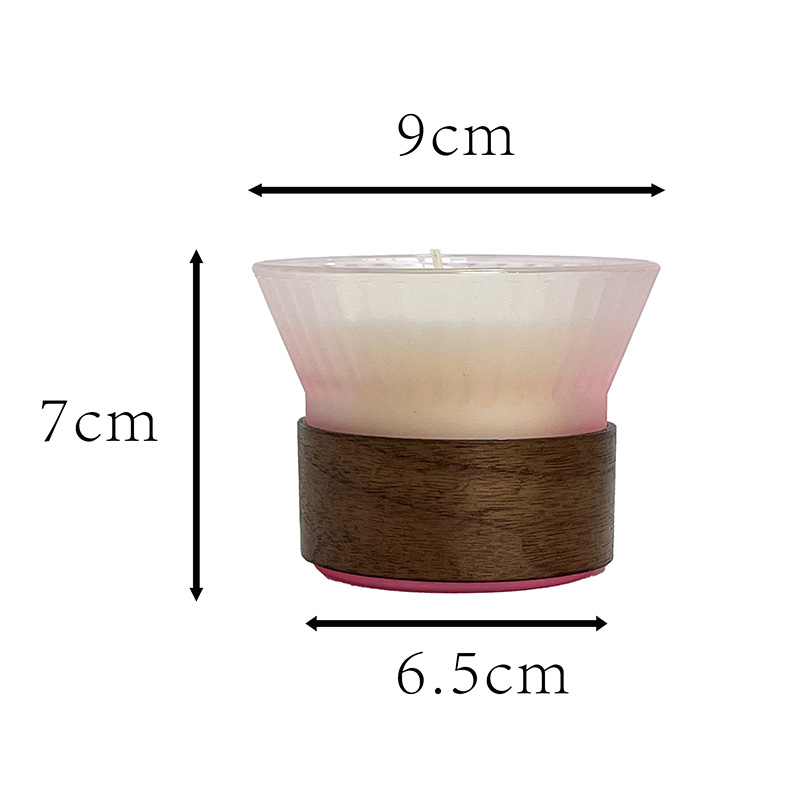 Natural Soy Wax Niche Scented Candle for Home Use, Long-Lasting Fragrance GiftDesigned specifically for users seeking a unique ambiance, this scented candle is made from pure natural soy wax. It burns cleanly and gently, being eco-friendly and h...View Product →
Renewable, Biodegradable and Naturally Vegan
Soybeans are an annually renewable crop, which makes soy wax a fundamentally different proposition from a fossil-derived material. It is biodegradable, contains no animal by-products, and fits vegan and cruelty-free product claims without extra qualification. For brands building a sustainability story, this is usually the easiest benefit to document and the hardest for a competitor to copy with paraffin.
A Cooler Flame and Easier Cleanup
A lower melting point means the liquid pool stays cooler, the container heats up less, and spills are far easier to deal with. Wax that has dripped onto a table or a warmer can normally be lifted with warm soapy water rather than a scraper. The same property makes soy a natural fit for wax melts, where the wax is expected to release fragrance gently and then be replaced in a matter of seconds.
A Natural Finish That Suits Modern Design
Soy wax sets to a creamy, opaque surface that accepts dye evenly and provides a soft matte backdrop for minimalist labels, dried flowers, crystals and foil printing. The light frosting that appears on pure soy from time to time is crystallisation, not a defect, and many designers now treat it as part of the aesthetic. In short, soy is not only a better burn; it is a better canvas.
Soy Wax, Paraffin and Beeswax Side by Side
Most candle programmes are not decided on purity but on performance, cost and positioning. The table below summarises how the three most common waxes usually compare in retail conditions.
| Wax type | Source | Burn time | Scent throw | Soot level | Best for |
|---|---|---|---|---|---|
| Soy wax | Hydrogenated soybean oil | Longer | Strong and gradual | Low | Home fragrance, private label |
| Paraffin wax | Petroleum refining | Shorter | Strong and immediate | Higher | Low-cost volume programmes |
| Beeswax | Honeycomb | Long | Subtle, honeyed | Very low | Premium natural lines |
| Soy and coconut blend | Vegetable oils | Long | Very strong, creamy | Low | Luxury jars and melts |
In practice the decision is rarely absolute. A blend can be the most sensible answer when a client needs a strong hot throw in a wide container, or when a glass supplier changes and adhesion becomes a problem. What matters is that the blend is chosen on purpose and disclosed honestly, not discovered by accident after the first container arrives.
Where Soy Wax Candles Work Best
The benefits of soy wax translate into a handful of commercial scenarios where it consistently outperforms other waxes.
- Everyday home fragrance. Living rooms, hallways and bathrooms benefit from the gradual, long-lasting throw that soy provides over several sittings.
- Bedrooms and aromatherapy. Lavender, cedar and other calming accords suit soy's gentle release, which is why sleep and relaxation collections almost always specify it.
- Gifting and holiday ranges. Festive formats such as Christmas gift boxes, autumn pumpkins and Valentine hearts rely on clean burn behaviour when they are lit indoors around guests.
- Hospitality and commercial spaces. Hotels, showrooms and clinics prefer low-soot candles because furnishings, curtains and air quality all suffer when soot levels are high.
- Wax melts and warmers. The cooler melt point makes soy ideal for warmers, where there is no flame to hide any inconsistency in the wax.
Soy Wax Beyond the Jar
The same material also works in pillar candles, tin candles and melts, so a brand can build a complete collection around one wax story instead of explaining three different formulations to the same customer. Melt formats are especially useful for buyers who want to test a new fragrance before committing to a full jar programme.
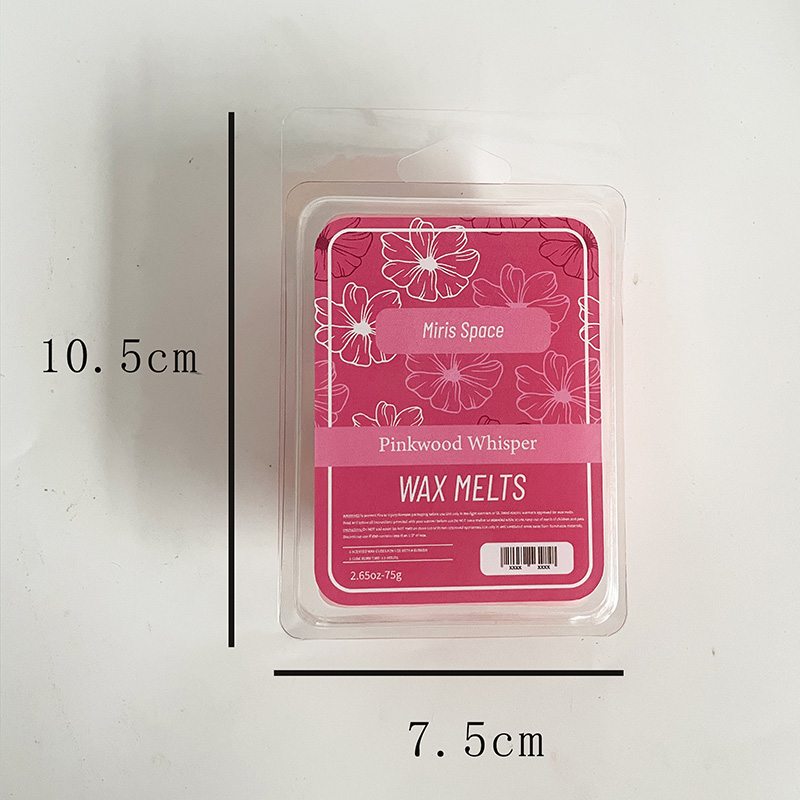 Star Round Colorful Multi-Shape Wax Melts Long-Lasting Fragrance Pure Natural Soy WaxThis scented wax melts set stands out with its cute shapes (such as stars and circles) and vibrant colors. Specifically designed for aroma lamps or wax warmers, it is ...View Product →
What Brands Should Check Before Sourcing Soy Candles
When you are commissioning candles rather than buying them off a shelf, the benefits only hold up if the specification is right. After more than twenty years of export production across more than thirty markets, these are the questions we see matter most.
- Wax composition and percentage. Ask for the exact ratio of soy, coconut or paraffin, and request a sample of the wax blend before approving artwork.
- Wick type and sizing. Cotton, wood and hybrid wicks all behave differently in soy; our guide to wood wick candles explains the trade-offs if you are weighing options.
- Fragrance load and testing. Confirm the percentage used and ask how the candle performs at the two-hour and the twentieth-hour mark, not only on the first burn.
- Container, lid and label. Glass thickness, lid material and label adhesive all affect how the wax sets and how the product photographs in a catalogue.
- Sampling before mass production. A small pre-production run is the cheapest insurance in this industry, and it also gives your team something to smell and photograph.
A supplier who can walk you through container selection, wax choice, wick sizing, fragrance load, packaging and logo printing in one conversation will save you months of back-and-forth. That is exactly how our custom projects are structured from the first enquiry onward.
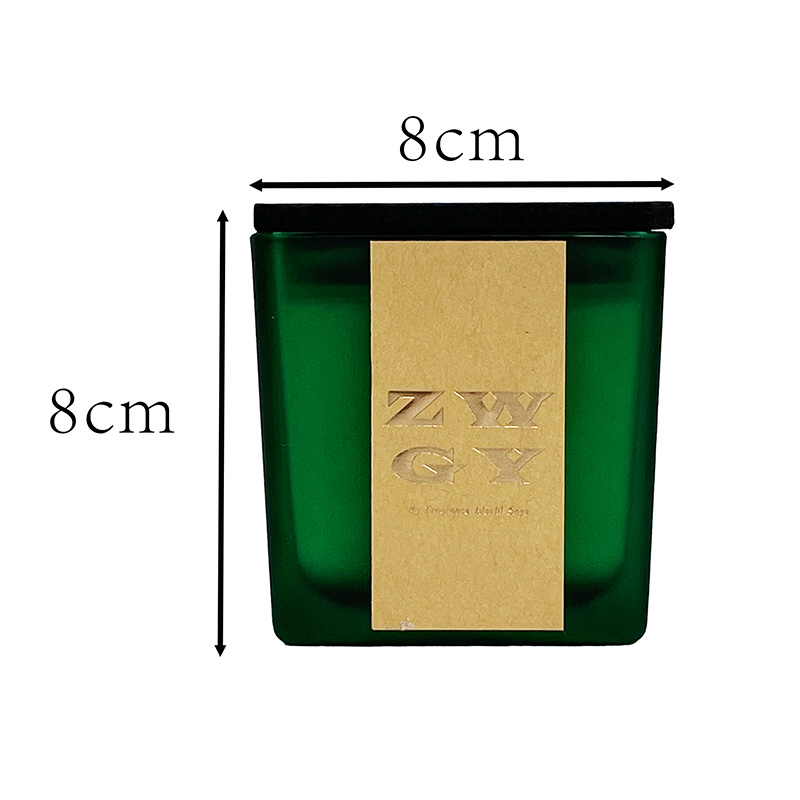 Square Carved Wooden Lid Jar Scented Candle Custom LogoThis scented candle combines modern square design with traditional hand-carving craftsmanship, showcasing a unique Sophisticated customized texture. The candle has a n...View Product →
Common Questions About Soy Wax Candles
Are soy wax candles actually better for you?
In terms of indoor air, a soy candle generally produces less soot and fewer combustion by-products than a paraffin candle of similar size. No candle replaces proper ventilation, and a trimmed wick matters more than any label claim, but the difference in air quality is noticeable in a closed room.
Do soy candles really last longer?
Yes, in most comparable formats. The lower melting point means the wax is consumed more slowly, and the even pool reduces wasted wax around the rim, so the total burn time is usually longer than paraffin at the same weight.
Why does my soy candle look frosted or spotty?
That is natural crystallisation in a vegetable wax with no synthetic additives. It has no effect on how the candle burns or throws scent, and it is completely normal for pure soy. If a client prefers a perfectly uniform surface, a small amount of coconut wax or a different cooling profile usually solves it.
Are soy candles safe around pets?
Soy wax itself is plant-based and considered gentle, and the cleaner burn is one reason pet owners choose it. Fragrance oils and essential oils vary in strength, so scented candles should always be burned in a ventilated room, kept out of reach of animals, and never left unattended.
Why the Shift to Soy Keeps Growing
Soy wax is not a trend that depends on a single season of marketing. It answers several demands at once: a cleaner burn, a longer burn time, a fuller scent throw, a renewable raw material and a surface that suits modern design. For consumers, that combination shows up as a candle that simply feels better to own. For brands, it is a positioning decision that supports vegan, sustainable and wellness claims without expensive reformulation later.
As a manufacturer, our role is to make that decision practical. From the wax blend and wick specification to the container, lid, label and gift box, every element can be aligned around the material so the finished candle performs the way the label promises.
-
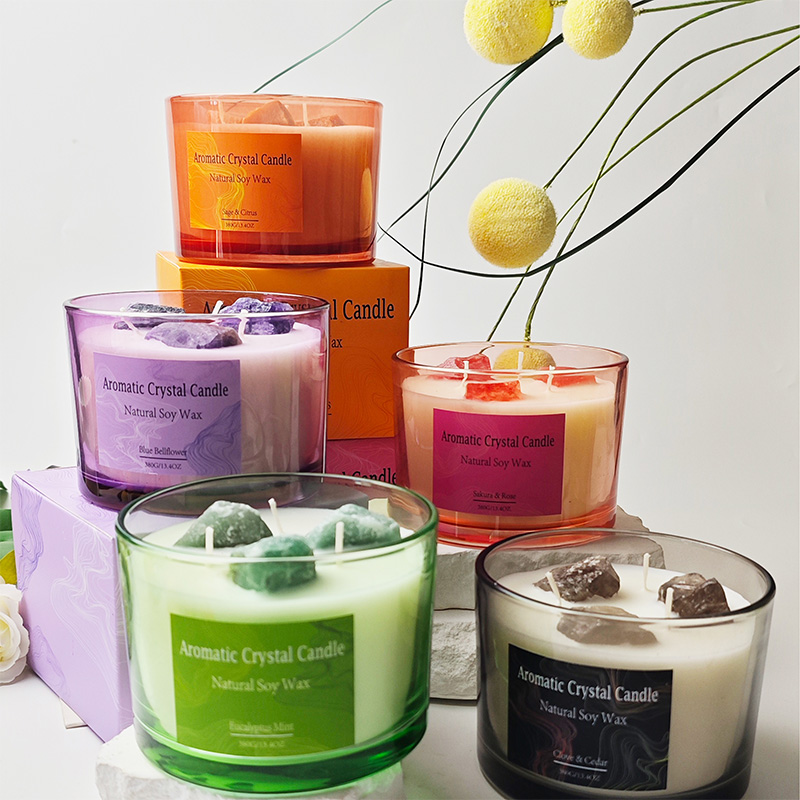 Colored Crystal Healing Scented Candle for Home Use, Long-Lasting Fragrance with Natural Soy Wax
-
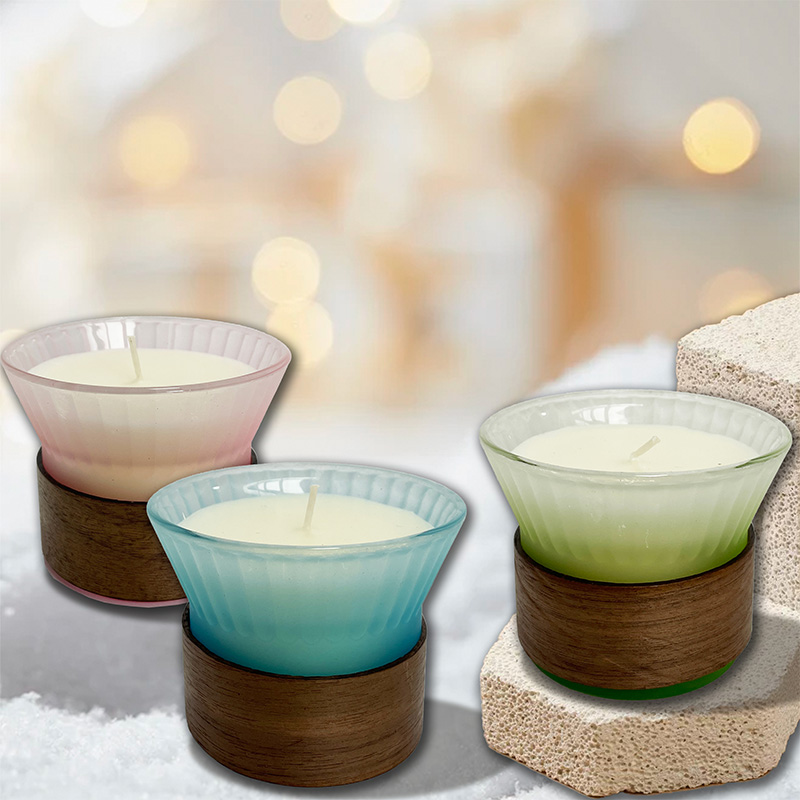 Natural Soy Wax Niche Scented Candle for Home Use, Long-Lasting Fragrance Gift
-
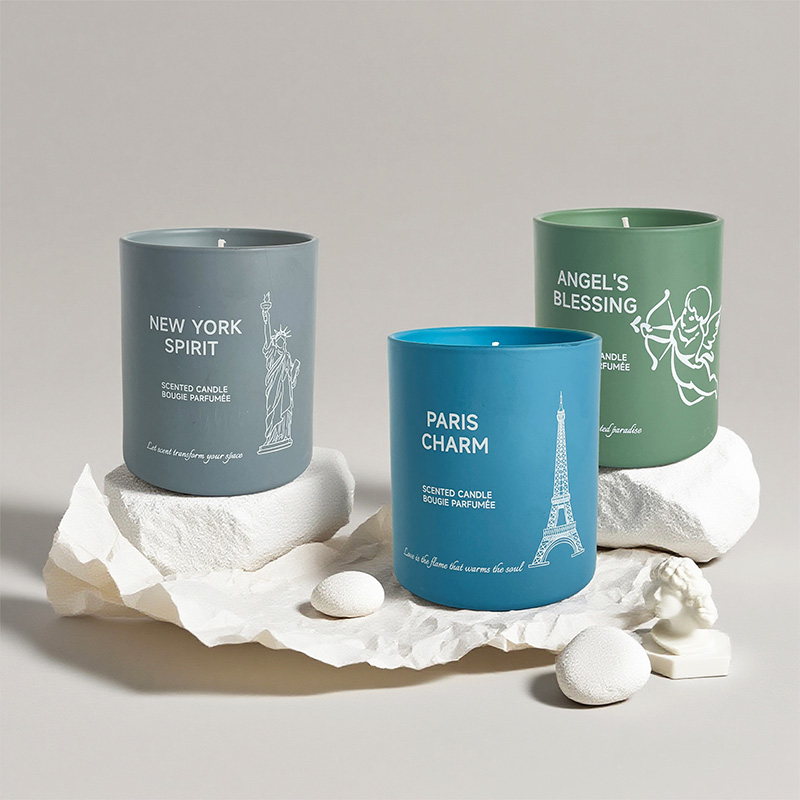 Romantic City Soy Wax Scented Candle – Long-Lasting, Soothing Aroma
-
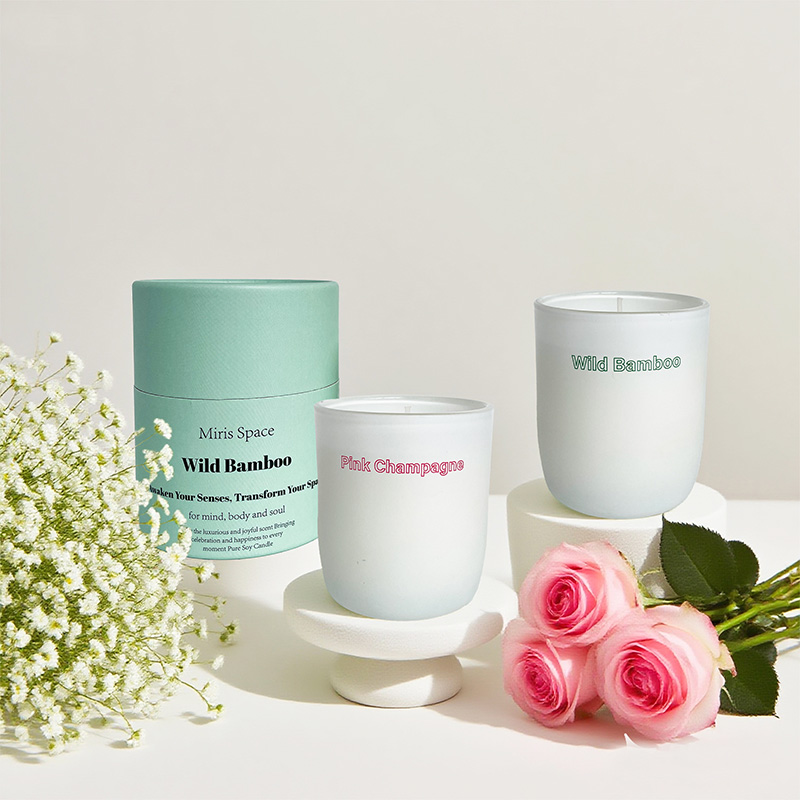 Cylinder Gift Box Floral Scent Home Use, Indoor Long-Lasting Scented Candle Customizable Soy Wax
-
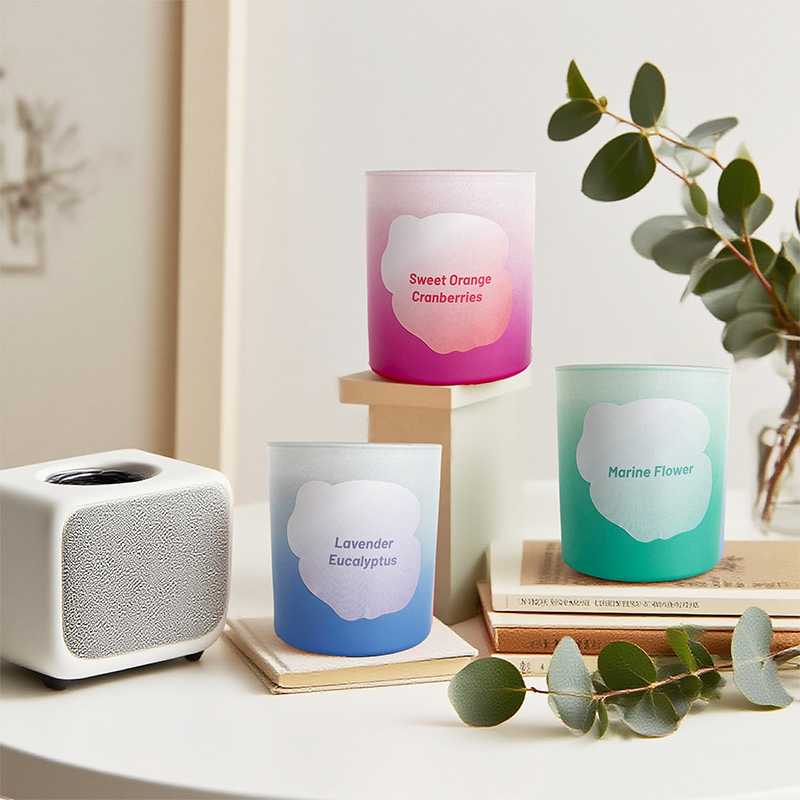 Colorful Gradient Floral Niche Scented Candle Long-Lasting Fragrance Natural Soy Wax
-
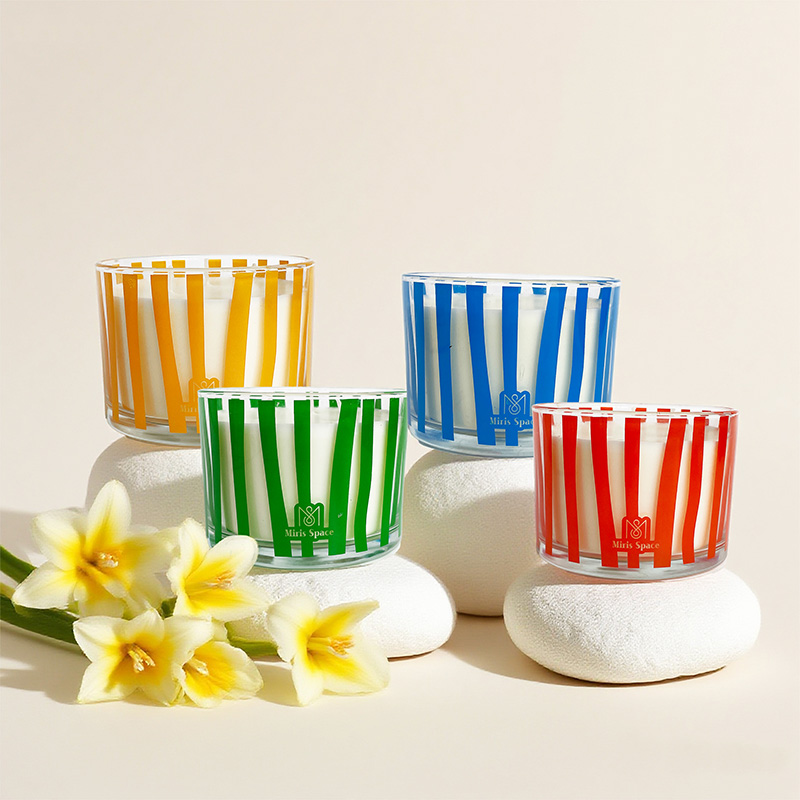 Colorful Stripe Scented Candle Home Use Indoor Long-Lasting Fragrance Natural Soy Wax
Get in touch: [email protected]
Copyright © Xuancheng Zhiwen Handicraft Co., Ltd.
