 English
 Français
 Deutsch
Candle Making Trends 2026: Popular Products Buyers Want to Stock This Year
Content
Every year, a few months before the season turns, the same questions start arriving in our inbox. Which wax is everyone moving to? What vessel shapes are buyers asking for? Which fragrances are worth sampling? After more than twenty years of making scented candles for brands, importers and retail buyers in over thirty countries, we have learned that trends rarely appear out of nowhere. They show up first as small signals in sample requests, then as specifications on a quote sheet, and finally as the volume orders that define a season.
This guide gathers the candle making trends 2026 buyers are actually sourcing, along with the popular products behind them. It is written from the factory floor rather than the runway, so the focus stays on what can be produced well, priced sensibly and reordered next year.
The Trends Shaping Popular Candle Products in 2026
Four directions keep appearing in the briefs we receive: cleaner waxes, vessels that deserve a second life, fragrance chosen for how it makes people feel, and seasonal ranges that arrive on time. Each one has a practical consequence for production, which is usually where a good idea either becomes a product or stalls.
Plant-Based Waxes and Cleaner Burn Claims
Soy, coconut, rapeseed and blended plant waxes have moved from a niche request to a standard line on the specification sheet. Retailers now ask about wax composition almost as routinely as they ask about dimensions. This is not a new conversation for us. When anti-dumping duties made paraffin impractical for the American market in 2008, we rebuilt our production around palm wax, and in 2020 we returned to the United States with a newly developed plant wax formula. That experience taught us a simple rule: a wax decision is also a supply chain decision. Confirm the wax you can source consistently before you print a claim on the label.
Vessels Worth Keeping
Reusable and refillable containers are one of the strongest product-level shifts of the year. Frosted and textured glass, cement-look cups, matte ceramics, wooden lids, rattan wraps and crystal accents all send the same message: the container is part of the product, not just packaging. For a brand, this is also a pricing story. A heavier, better-finished vessel supports a higher retail price and gives the customer a reason to keep the jar on the shelf long after the candle is finished. Wood wicks pair naturally with this direction, because the soft crackle adds an audible layer to the same sensory promise.
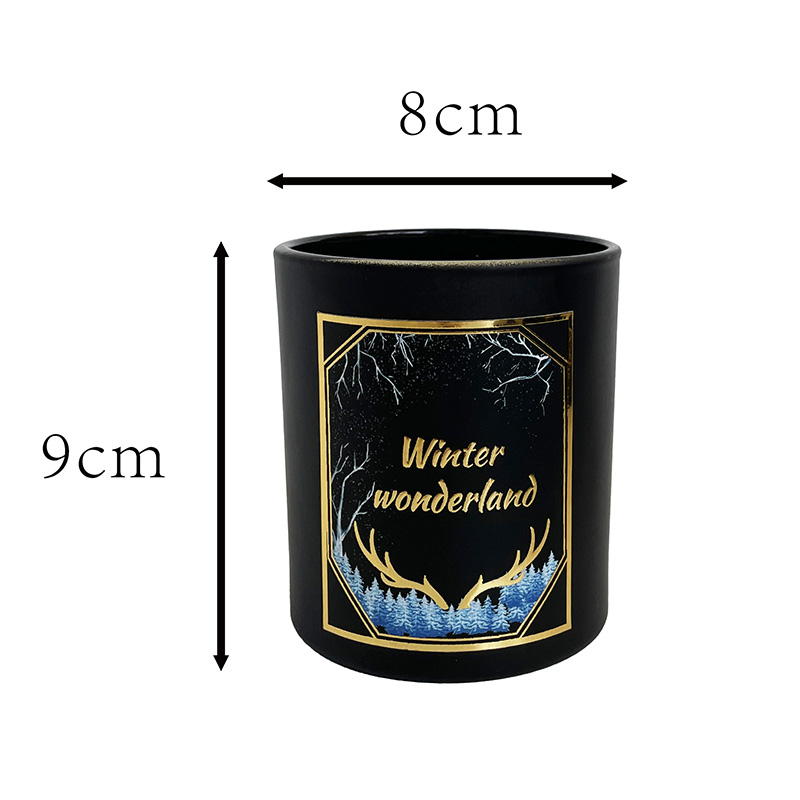 Black Textured Glass Scented Candle with Gold-Stamped Label, Wooden Wick – Custom LogoMade from natural soy wax, this scented candle features a unique wooden wick that creates a subtle crackling sound when burned, creating a warm and soothing atmosphere...View Product →
Wellness, Sleep and Functional Fragrance
Fragrance is increasingly bought for what it does, not only for how it smells. Lavender, chamomile, cedarwood and soft florals are positioned for winding down; citrus and aquatic notes for focus and freshness; warm gourmands for comfort. The functional angle also changes format. Diffusers, aroma stones and wax melts grow alongside candles because they offer scent without a flame. Products that combine a visual cue with a scent cue, such as dried flowers or crystal inclusions, are especially easy to merchandise and photograph.
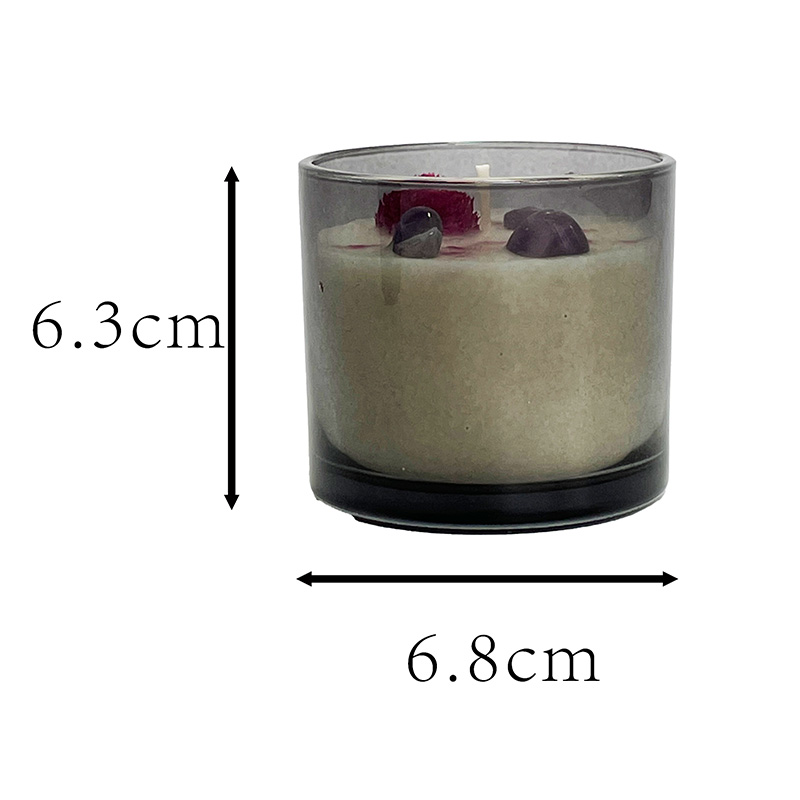 Crystal Dried Flower Healing Scented Candle Soothing And Relaxing Natural Soy Wax Custom LThis scented candle is an innovative product focusing on physical and mental healing. It cleverly combines natural soy wax, energy crystals, and healing dried flowers,...View Product →
Fragrance Direction: Gourmand, Nostalgia and Layering
Read any 2026 fragrance forecast and a handful of directions repeat. Savoury gourmands are pushing past vanilla into toasted, salted and browned notes. Drink-inspired accords borrow from coffee, smoked tea and cocktails. Fruit scents are getting darker and more tropical. Incense and smoke add depth for customers who want something less sweet. Scent stacking, where shoppers layer two complementary candles, is quietly turning single purchases into pairs.
Nostalgia runs through all of it. Retro-revival labels, vintage-style warmers and scents that reference a specific memory work because they hand the customer a story worth repeating. A fragrance that can be described in one sentence is far easier to sell than one that needs a paragraph.
Seasonal Ranges Still Drive Volume
Holiday programmes remain the engine of the B2B calendar. Christmas, autumn, Halloween, Valentine's Day and Mother's Day each carry their own shape language, packaging and scent palette, and most buyers place those orders well ahead of the season. Shaped candles, gift boxes and themed labels move fastest. If you are building a seasonal range for the first time, our guide to holiday scented candles covers the scent families and formats buyers ask about most.
Popular 2026 Product Formats at a Glance
Trends only matter once they reach a format you can quote. The table below compares the six product types we produce most often and shows which 2026 direction each one serves.
| Product format | Typical buyer use | 2026 trend alignment |
|---|---|---|
| Glass jar candles | Everyday home fragrance and gift sets | Plant wax, reusable vessels, wellness scents |
| Pillar and shaped candles | Decorative gifting and seasonal displays | Sculptural detail, nostalgia, shelf appeal |
| Tin candles | Travel sizes, trial packs and multi-packs | Discovery sets and accessible price points |
| Wax melts | Low-risk sampling and repeat purchase | Fragrance layering and flameless use |
| Reed diffusers | Continuous, flame-free scent in larger rooms | Functional fragrance, hotel and commercial spaces |
| Crystal aroma diffusers | Bedroom and wellness gifting | Wellness positioning and decorative value |
Wax melts deserve a special mention here. They let a customer try a fragrance for a fraction of the cost of a jar, and they are simple to produce in the same scent families as your core candles, which keeps your fragrance inventory lean while widening the range on the shelf.
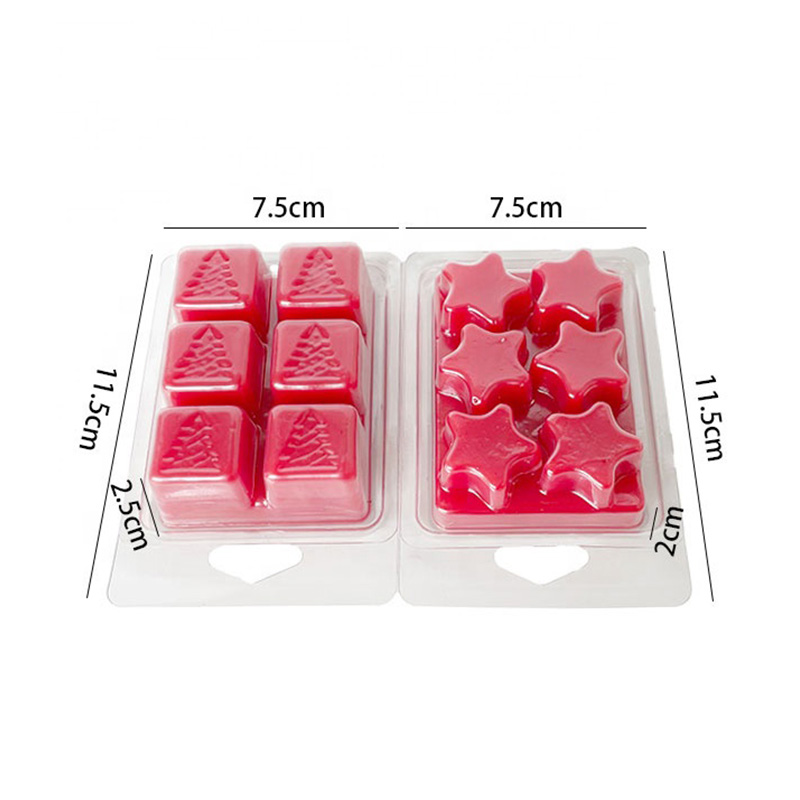 Multi-Color Handmade Scented Wax Melts Long-Lasting Fragrance Pure Natural Soy WaxThis product is a set of handmade scented wax melts featuring a multi-color mix, specifically designed for users who enjoy frequently changing fragrance types and visu...View Product →
How to Turn These Trends Into a Sourcing Plan
Choosing trends is the easy part. The work sits in narrowing them down to a range your factory can produce, your retailer can display and your customer can afford. The sequence below is the one we walk through with new clients.
- Shortlist two or three trends rather than all of them, and give each one a clear product champion.
- Confirm wax and fragrance availability before any design work begins, so a beautiful concept does not depend on a material you cannot source for a full season.
- Prototype the wick, wax and fragrance as one system, because a wick that works in paraffin may behave differently in a plant wax blend.
- Test the vessel for refill potential, stacking, transit durability and label fit, especially if the container is meant to be reused.
- Price the full landed cost, including lid, gift box, logo printing and any dry-flower or crystal decoration, before setting a retail price.
- Place seasonal orders early. Shaped moulds and printed packaging need tooling time, and the holiday window does not move.
Mistakes We See Buyers Make
- Choosing a fragrance first and a wax second, which usually means paying for a formula that cannot hold scent throw in the chosen base.
- Treating the vessel as packaging. In 2026, the container is one of the main reasons a customer repurchases.
- Overbuilding the first range. Six well-tested SKUs outsell twenty that were rushed.
- Skipping burn testing on shaped candles, where the geometry can change how the wax pool forms.
- Ignoring the second season. A range that sells at Christmas should still have a reason to exist in spring.
Where a Manufacturing Partner Fits
Reading a trend is straightforward; producing it reliably at volume is not. As a scented candle manufacturer, we work with brands on container sourcing, wax and fragrance selection, wick testing, packaging design, lid options, logo printing and gift box assembly under one roof. That means a buyer can bring a mood board, a target price and a launch date, and leave with a specification that is genuinely buildable.
Our own range reflects the directions above: glass jar candles in frosted, electroplated and printed finishes, sculpted pillar candles, tin candles, wax melts, reed diffusers and crystal aroma diffusers, alongside a holiday collection that covers Christmas, autumn, Halloween, Valentine's Day and Mother's Day. If you would like to see how these ideas look as finished goods, you can explore the candles we produce for brands worldwide.
The most useful thing to remember about 2026 is that the trends are converging rather than competing. A plant wax blend, a vessel worth keeping, a fragrance with a clear emotional job and a seasonal reason to buy can all live in a single product. Get those four elements right and the range does not need to chase every shift in the market.
If you are planning a launch and want a second opinion on wax, wick or vessel choices, our team is always happy to talk through what will work in production. That conversation usually saves far more time than it costs.
-
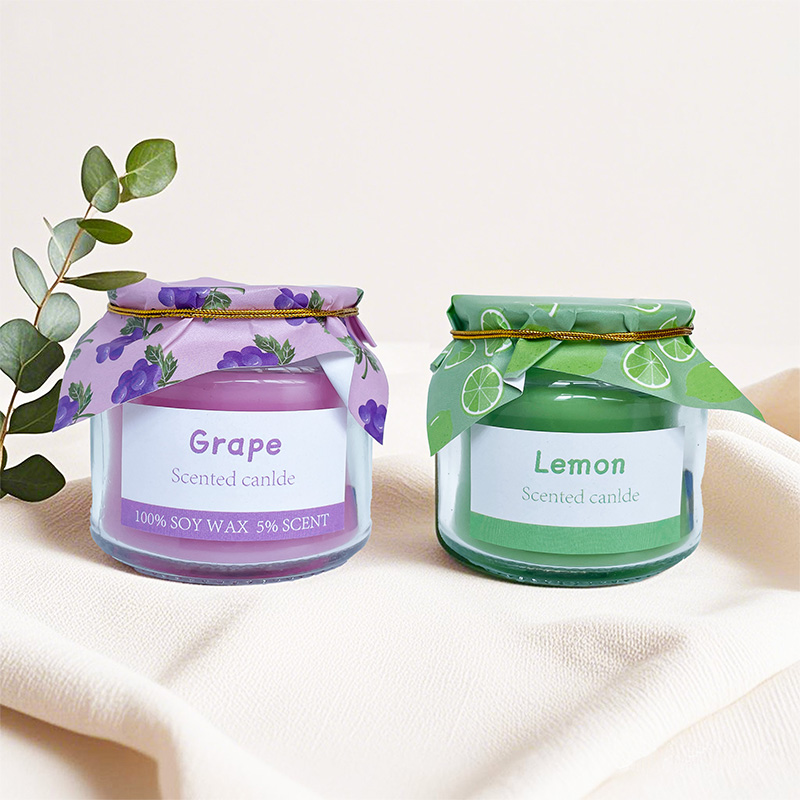 Glass Jar Fruit Scented Candle – Natural Soy Wax, Custom Logo Available
-
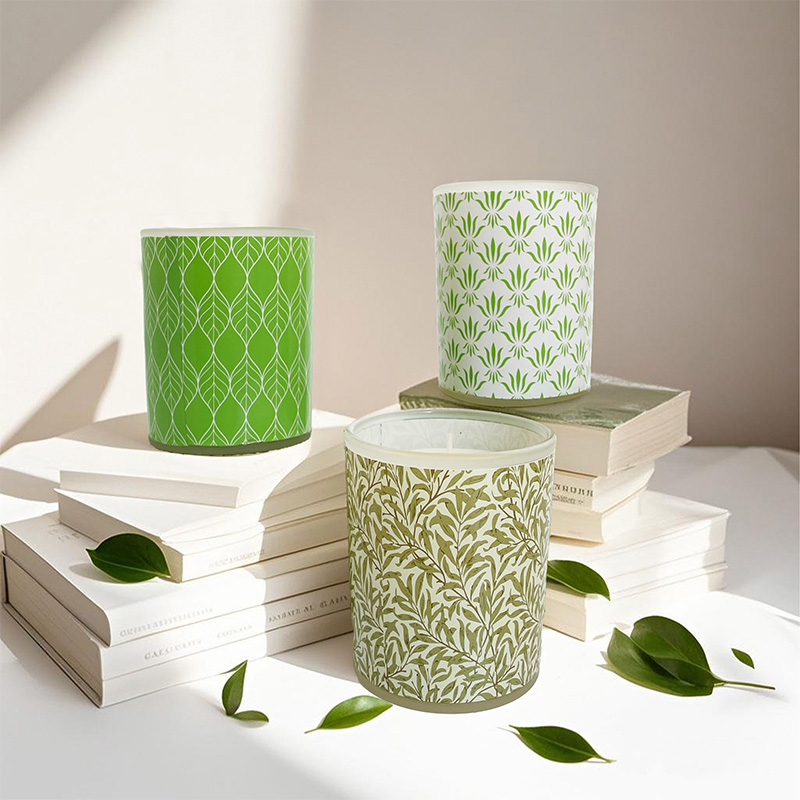 Fresh Green Leaf Patterned Glass Cup Soy Wax Scented Candle – Custom Logo
-
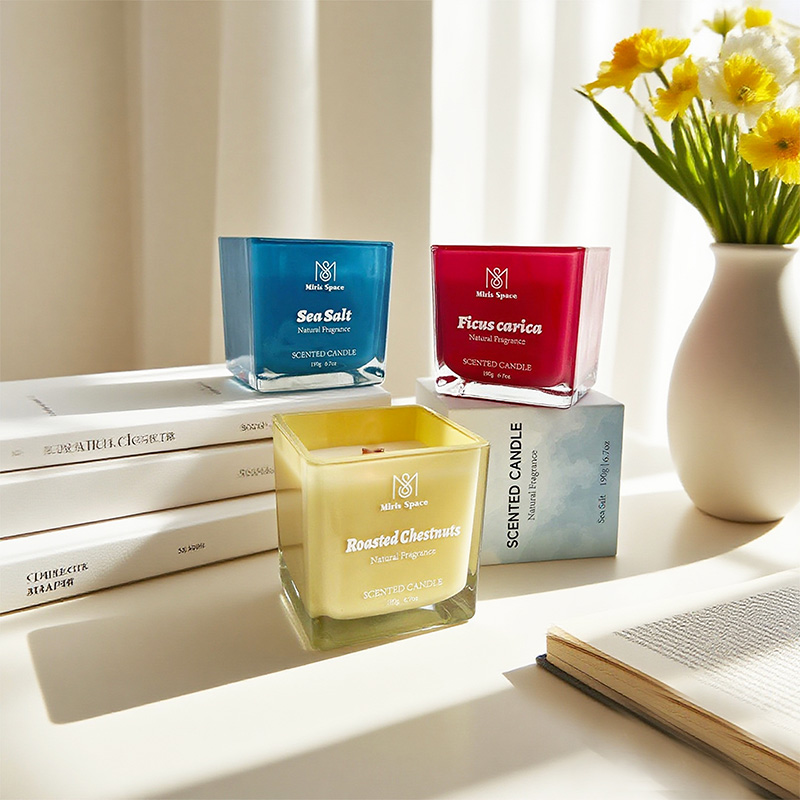 Square Colored Print Scented Candle Private Custom Logo Natural Soy Wax
-
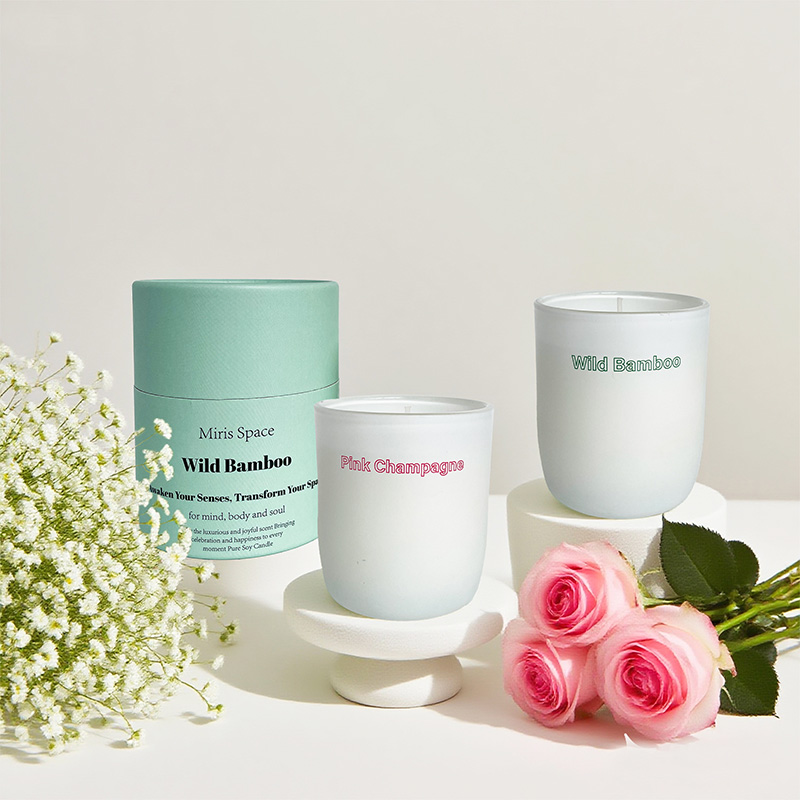 Cylinder Gift Box Floral Scent Home Use, Indoor Long-Lasting Scented Candle Customizable Soy Wax
-
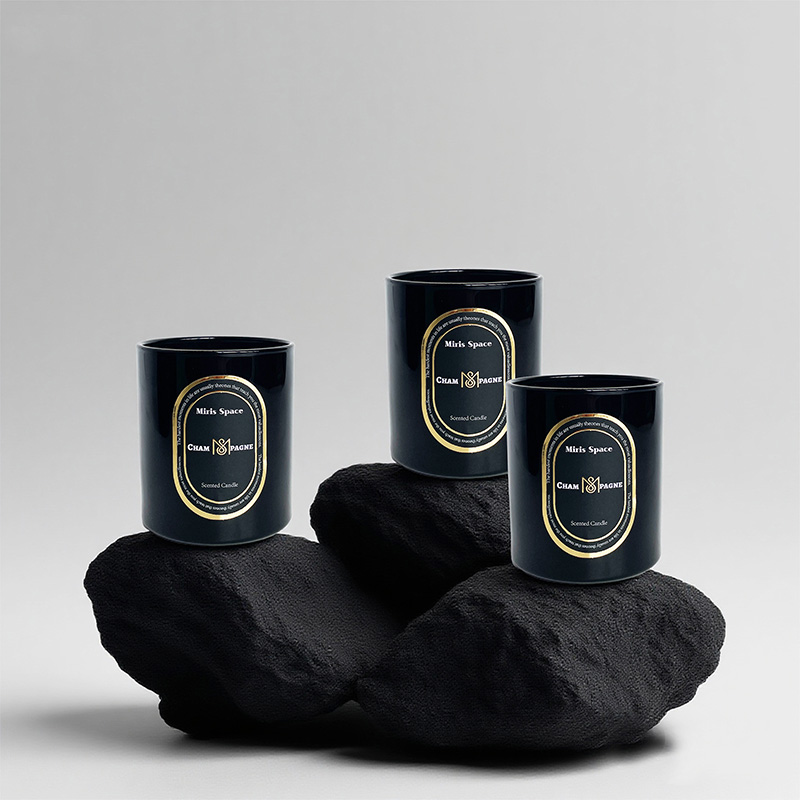 Black Gold Foil Label Scented Candle Pure Natural Soy Wax Customizable LOGO
-
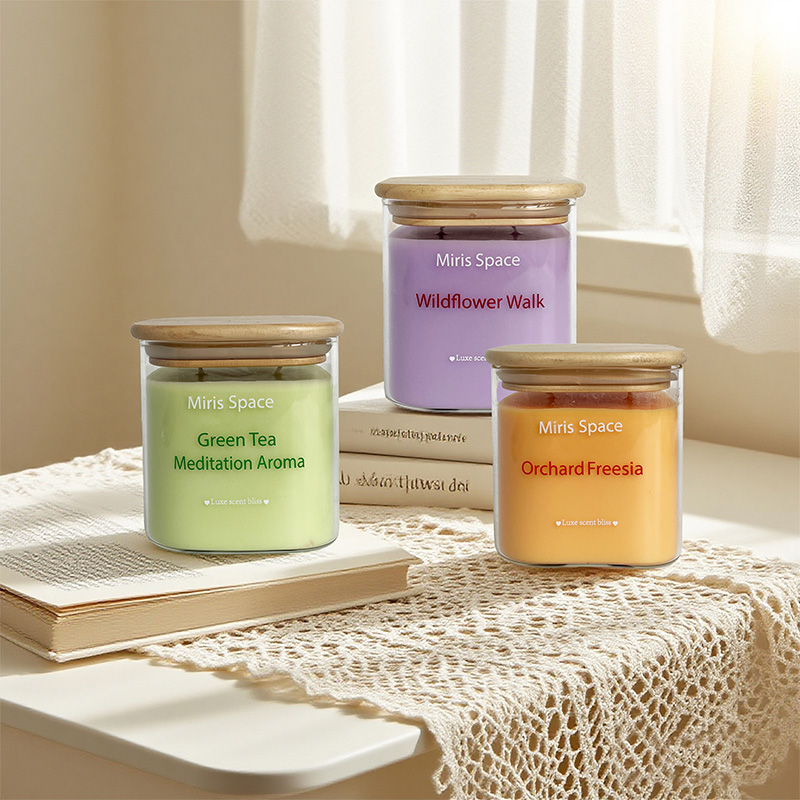 Warm And Natural Colored Wax With Wooden Lid Scented Candle Customizable Natural Soy Wax
Get in touch: [email protected]
Copyright © Xuancheng Zhiwen Handicraft Co., Ltd.
