 English
 Français
 Deutsch
Glass Jars vs Ceramic vs Tin: Choosing the Right Candle Container
Content
What Each Material Actually Brings to a Candle
A candle brand rarely fails because of a bad scent. It fails because the vessel didn't match the price point, cracked in transit, or cost too much to justify the margin. Glass, ceramic, and tin aren't just aesthetic choices — each one carries a different cost structure, a different minimum order quantity, and a different story it tells the person holding it.
Glass is the industry default because it works across almost any price tier. Ceramic signals weight and craftsmanship the moment someone picks it up. Tin solves problems glass and ceramic can't: it survives a drop, ships cheap, and never cracks under a heat gun during a hot summer container transit. The rest of this comparison breaks down where each one earns its place.
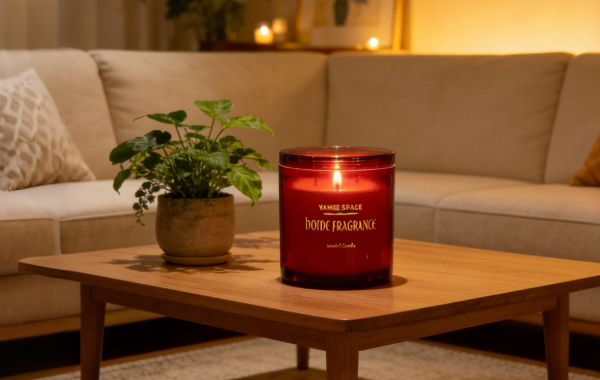
Glass Jars: The Versatile Default
Glass remains the most common container in candle manufacturing for one simple reason: it shows the product. Buyers can see the wax color, the layering, the dried botanicals suspended inside — details that a wax melt or ceramic vessel would hide entirely. Because glass is non-porous, it also holds fragrance oil more consistently over the shelf life of the candle than some porous ceramics do.
The tradeoff is fragility. Glass cracks under thermal shock if the wax pour is too hot or the wall is too thin, and it accounts for the highest breakage rate during ocean freight among the three materials. Brands manage this with thicker-walled jars and careful wax-to-jar volume matching, but it adds a packaging cost that tin simply doesn't have.
Glass also runs the lowest MOQ of the three, often starting around 1,000–2,000 pieces per SKU, which makes it the natural entry point for a brand testing a new scent or launching into a new market. Our glass jar scented candles built for everyday retail lines are designed around exactly this balance — accessible cost, low minimums, and a finish that reads premium without the ceramic price tag.
Ceramic: Where Perceived Value Comes From
Pick up a ceramic candle and the weight tells you something before you've even read the label. That heft, combined with matte or hand-glazed finishes, is why ceramic dominates gift sets and limited-edition drops rather than everyday retail shelves. The material also retains heat well, which some brands use to argue for a steadier melt pool, though the effect depends more on wick sizing than the vessel itself.
Ceramic's real cost sits upstream, in tooling. New molds, glaze testing, and shrinkage variance during firing mean MOQs typically start around 3,000–5,000 pieces and lead times run longer than glass — often four to six weeks longer once a new shape is involved. Buyers who skip quality checks on cheaper ceramic runs also risk porosity, which lets wax seep through the base over time.
None of that makes ceramic a bad bet — it makes it a deliberate one, best reserved for lines where the price point already supports the tooling investment. Our ceramic-vessel scented candles designed for premium positioning show how a gradient glaze finish can carry a gift-tier price without a custom mold from scratch.
Tin: Built for Logistics, Not Luxury
Tin exists to solve problems the other two materials create. It doesn't crack, doesn't shatter, and weighs a fraction of glass or ceramic — which translates directly into lower freight costs per unit, especially on high-volume ocean shipments where weight class matters. A tinned-steel or aluminum container also takes offset printing and embossing well, so a brand can carry strong shelf branding without paying for a custom mold.
The compromise is perceived value. A tin candle rarely reads as luxury, no matter how good the finish, because the material itself signals affordability. It's also opaque, which hides the wax and removes the visual cue that drives impulse purchases in glass. Fragrance throw can run slightly lower in thin-walled tins compared to a thicker glass or ceramic vessel, though this varies more with wax type and wick choice than the tin itself.
Where tin wins outright is flexible sourcing — MOQs often sit under 1,000 pieces, and lead times are the shortest of the three. That makes it the standard choice for travel sizes, subscription boxes, and gift-with-purchase runs, and it's why our tin-packaged scented candles suited for travel and gifting lines stay one of the fastest categories to sample and reorder.
Side-by-Side: Cost, MOQ, and Lead Time
| Factor | Glass | Ceramic | Tin |
|---|---|---|---|
| Typical MOQ | 1,000–2,000 pcs | 3,000–5,000 pcs | Under 1,000 pcs |
| Relative unit cost | Mid | Highest | Lowest |
| Breakage risk in transit | High | Moderate | Near zero |
| Shelf presence | High (transparent) | High (tactile weight) | Moderate (printed only) |
| Best-fit tier | Mass to mid-premium | Premium/gift | Entry/travel/gift-with-purchase |
Matching Container to Brand Positioning
The choice rarely comes down to which material is "better." It comes down to where the SKU sits in the lineup. A brand selling a $12 candle at a big-box retailer can't absorb ceramic's tooling cost or its longer lead time — glass or tin is the only math that works. A brand launching a $45 gift-tier scent, on the other hand, loses credibility if it ships in the same tin used for a $10 travel candle.
A useful pattern across established candle brands: start with tin or glass to validate a scent and test demand at low MOQ, then move the winning SKUs into ceramic once volume justifies the mold investment. This keeps upfront risk low while leaving room to build a genuine premium tier later, rather than locking every SKU into one material from day one.
Burn performance also plays into the decision indirectly — the wick has to match the vessel's heat behavior regardless of material, and getting that wrong causes more customer complaints than the container choice itself. It's worth reviewing how wood wick and cotton wick choices affect burn performance before finalizing any container decision, since the two variables are rarely independent of each other.
Working with a Manufacturer That Offers All Three
Most sourcing headaches come from working with a factory that only handles one material well. A supplier built around glass alone will quote ceramic at a markup that erases its cost advantage, and vice versa. Working with a manufacturer that runs glass, ceramic, and tin lines side by side means a brand can prototype in tin, scale in glass, and eventually launch a ceramic gift line — all without switching factories or requalifying a new supply chain each time.
That flexibility is exactly why more candle brands consolidate sourcing under one manufacturer rather than splitting orders across three specialists. If you're weighing a container decision for an upcoming line, it's worth reviewing the full range of container, wax, and packaging customization options available before committing to a single material path.
-
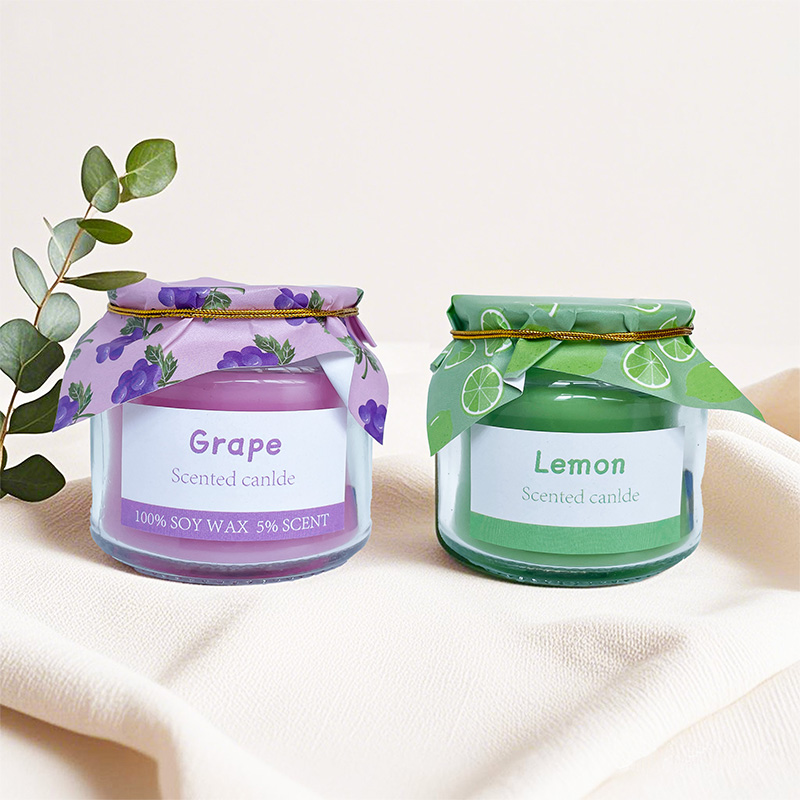 Glass Jar Fruit Scented Candle – Natural Soy Wax, Custom Logo Available
-
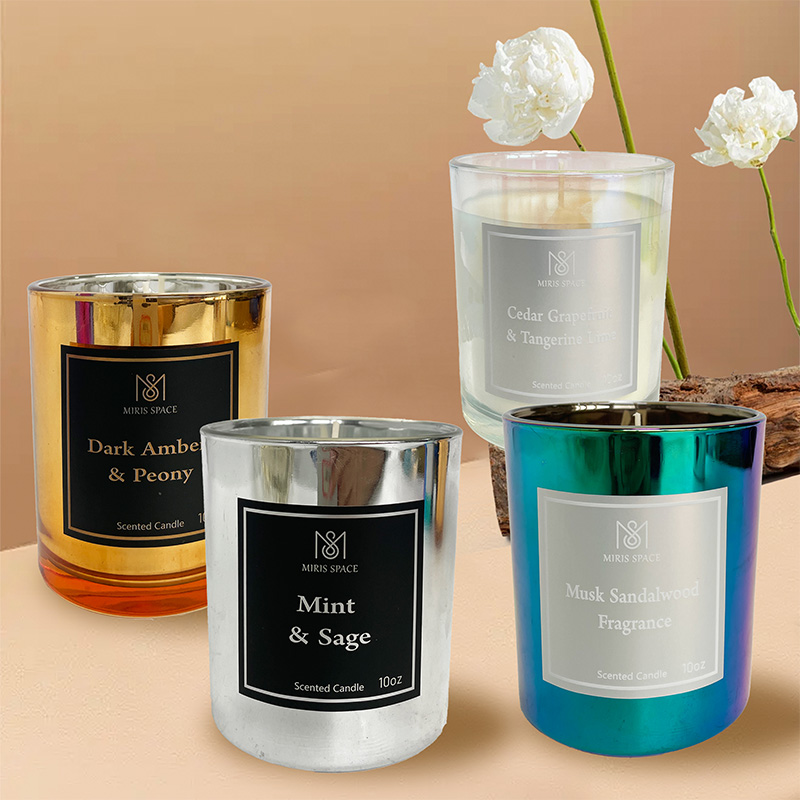 Electroplated Glass Cup Soy Wax Scented Candle with Cotton Wick – Custom Logo
-
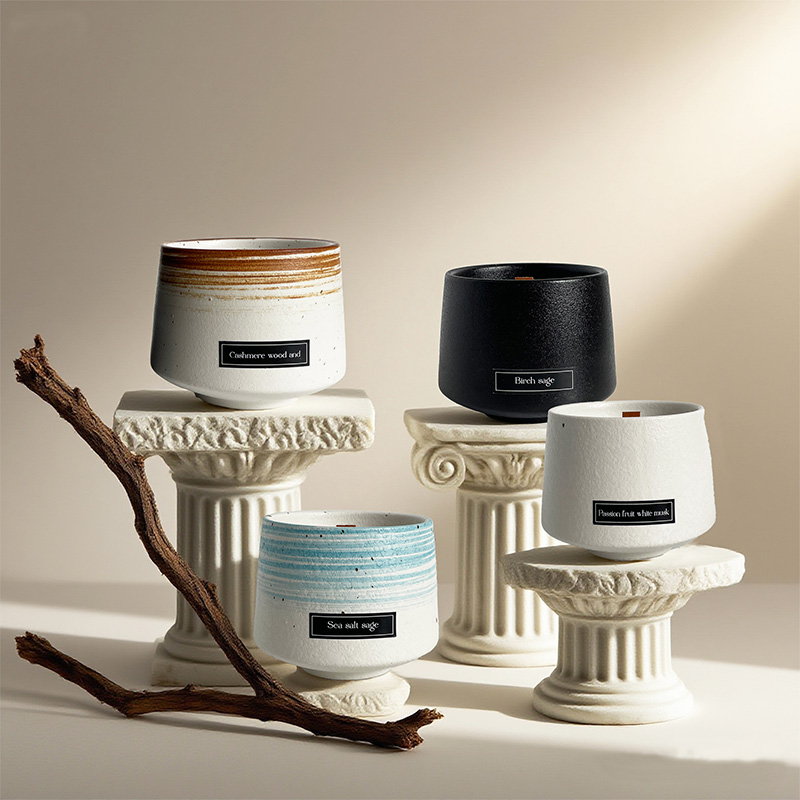 Exquisite Gradient Ceramic Scented Candle with Long-Lasting Fragrance, Soy Wax
-
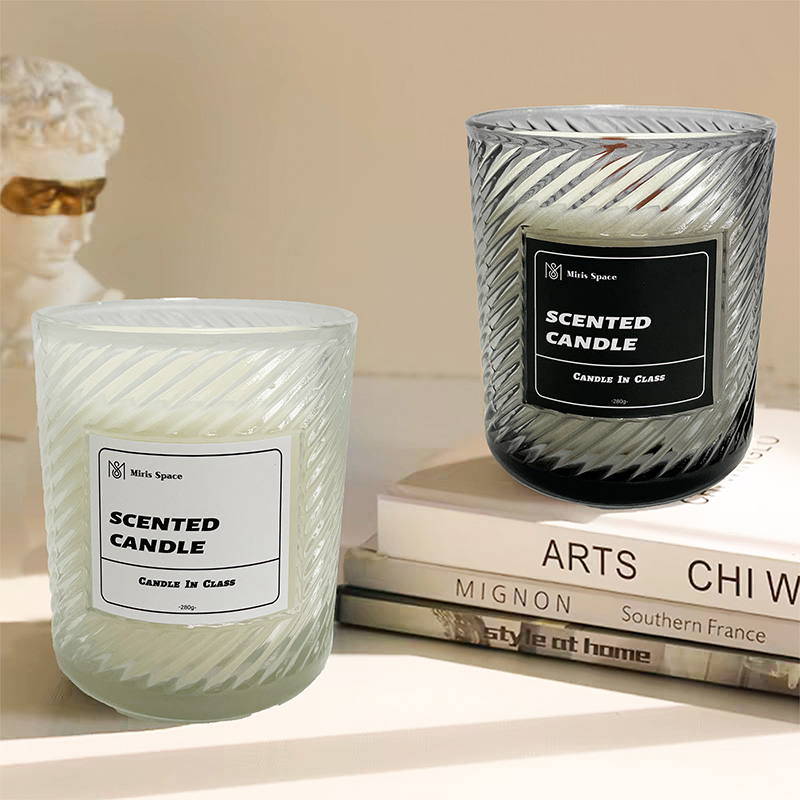 Black and White Minimalist Twill Glass Scented Candle with Natural Soy Wax
-
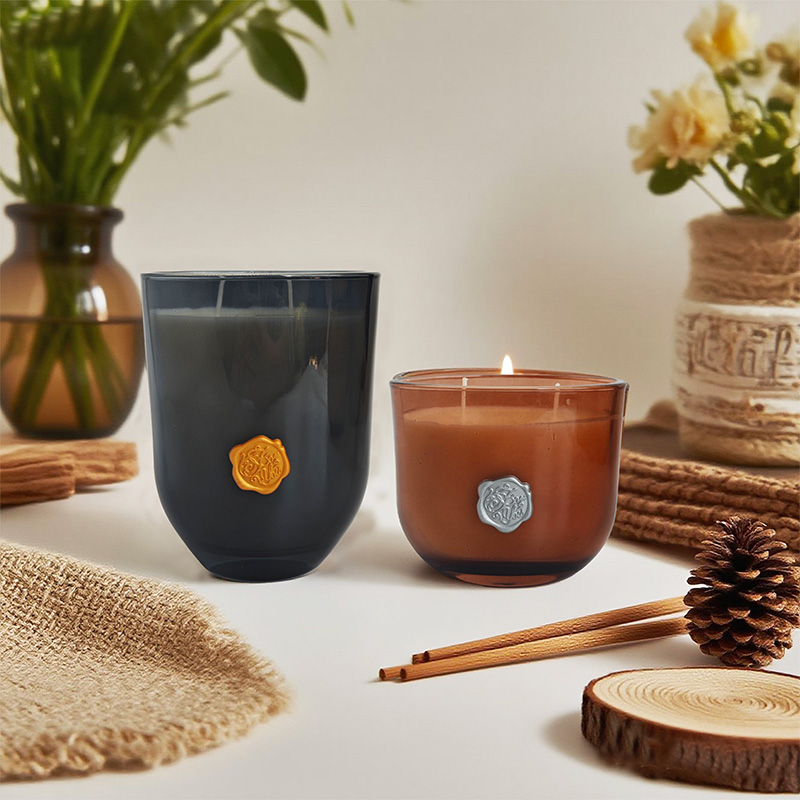 Wax Seal Conical Glass Cup Soy Wax Scented Candle
-
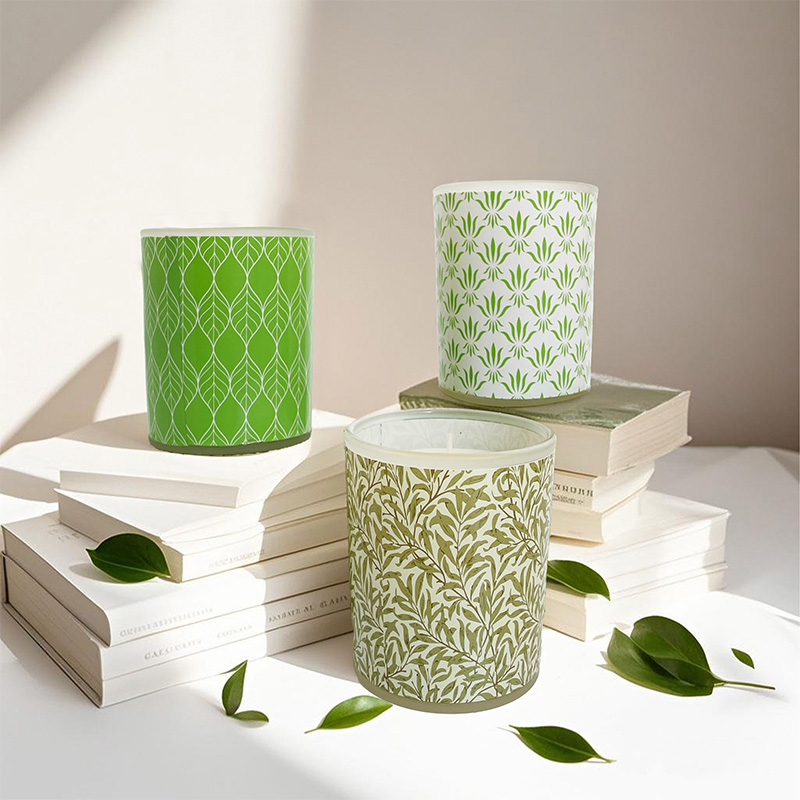 Fresh Green Leaf Patterned Glass Cup Soy Wax Scented Candle – Custom Logo
Get in touch: [email protected]
Copyright © Xuancheng Zhiwen Handicraft Co., Ltd.
