 English
 Français
 Deutsch
Wood Wick Candles: A Complete Guide for Candle Brands
Content
What Is a Wood Wick Candle
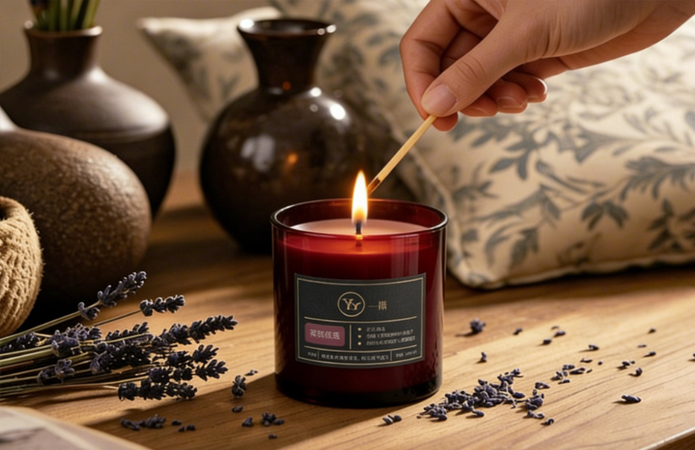
Light one and the first thing you notice isn't the scent — it's the sound. A faint, steady crackle, almost like a small fireplace tucked inside a jar. That's the signature of a wood wick candle, built around a thin strip of natural wood instead of the braided cotton found in most traditional candles.
As the wick burns, tiny air pockets in the wood grain pop and release that crackling sound. The flame itself behaves differently too. Rather than a tall, narrow flicker, a wood wick produces a wider, flatter flame that spreads heat evenly across the surface of the wax, which helps the fragrance disperse more consistently through a room.
Why Wood Wick Candles Are Gaining Popularity
Consumers buying candles today are shopping for an experience, not just a scent. Wood wicks tap into that shift directly — the sound and the visual of the flame have become selling points in their own right, especially for candles positioned as cozy, seasonal, or gift-worthy.
This is part of why scented and aromatherapy candle lines built around wood wick designs have become one of the faster-growing segments in home fragrance. Brands pairing a wood wick with a well-balanced fragrance oil tend to see stronger repeat purchases, since the sensory combination is harder to replicate with a standard cotton wick.
There's also a practical upside. Because the flame burns wider and flatter, wood wicks generally produce a fuller melt pool sooner, which means less wasted wax clinging to the sides of the container by the time the candle is finished.
Wood Wick vs Cotton Wick: Key Differences
Neither wick type is universally "better" — they're suited to different goals. The table below breaks down where each one tends to perform best.
| Characteristic | Wood Wick | Cotton Wick |
|---|---|---|
| Flame shape | Wide, flat, horizontal | Tall, narrow, upright |
| Sound | Light crackling | Silent |
| Fragrance throw | Broad, even release | Steady, directional |
| Best container type | Wider, shallow vessels | Most jar shapes and sizes |
| Trim maintenance | Trim to about 1/8 inch each burn | Trim to about 1/4 inch each burn |
Container shape matters more with wood wicks than with cotton. Wider, shallower vessels give the flat flame room to spread evenly, which is one reason many of our jar candle collections that pair especially well with wood wicks are designed with a slightly broader mouth than a standard tumbler jar.
Choosing the Right Wax and Container for Wood Wick Candles
Wax selection has a direct effect on how well a wood wick performs. Soy wax and soy blends are the most common pairing, since their lower melting point works well with the wider flame and helps the wick sustain a clean, even burn. Coconut wax blends are also popular for the same reason, particularly in premium product lines.
Paraffin can work too, but it tends to burn hotter, so wick width and fragrance load need closer testing to avoid soot buildup. Whatever the base, fragrance oil concentration should be dialed in carefully — overloading a wood wick candle with fragrance is one of the most common causes of a weak or uneven flame.
Container choice follows a similar logic. Straight-sided glass jars and open tins tend to outperform narrow-necked vessels, since the flat flame needs unobstructed space to burn evenly across the wax surface. Brands exploring different presentation formats often look at our tin candle formats offering an alternative wick and container pairing, which give the wood wick a wide, shallow surface to work with.
Common Questions About Wood Wick Performance
Why does my wood wick candle tunnel down the middle? This usually points to a wick that's too narrow for the container diameter, or a first burn that was cut short. Wood wicks need a longer first burn than cotton — typically until the melt pool reaches the edge of the container — to prevent tunneling later on.
Do wood wicks need to be soaked in oil before use? Not with modern wood wicks. Most are manufactured to burn as-is straight out of the box, and pre-soaking can actually make ignition less consistent.
Are wood wick candles safe to burn indoors? Yes, when they're properly sized and trimmed. Trimming the wick to around 1/8 inch before each burn keeps the flame at a manageable height and limits soot.
Why won't my wood wick stay lit? A wick that's too small for the wax pool, excessive fragrance load, or a draft in the room are the most frequent culprits. Testing wick width against your specific wax and container combination before scaling up production will catch most of these issues early.
Sourcing Wood Wick Candles for Your Brand
Getting a wood wick candle right at scale takes more trial and error than most brands expect — wick width, wax blend, fragrance load, and container shape all have to work together, and small mismatches show up quickly once production ramps up.
Xuancheng Zhiwen Handicraft Co., Ltd. has spent more than 20 years refining exactly this kind of formulation work, backed by 11 patents in scented candle production equipment. That experience carries directly into wood wick projects, from initial wick and wax testing through to full production runs.
For brands ready to develop a wood wick line, it's worth browsing the full range of home fragrance candle products available for custom orders to see which container and format best fits your positioning before moving into sampling.
-
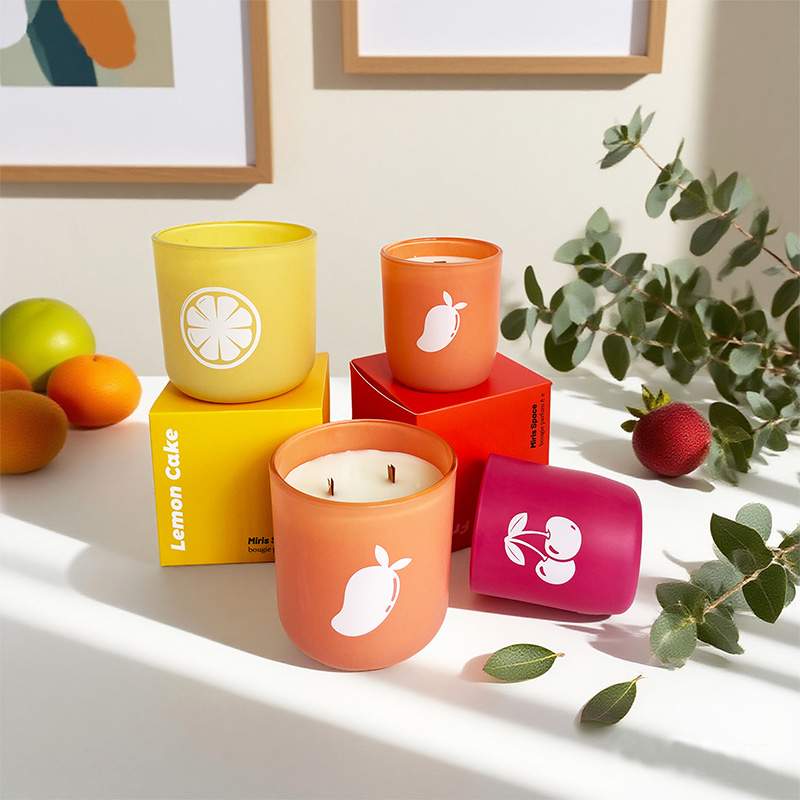 Colorful Tropical Fruit Soy Wax Scented Candle with Wooden Wick
-
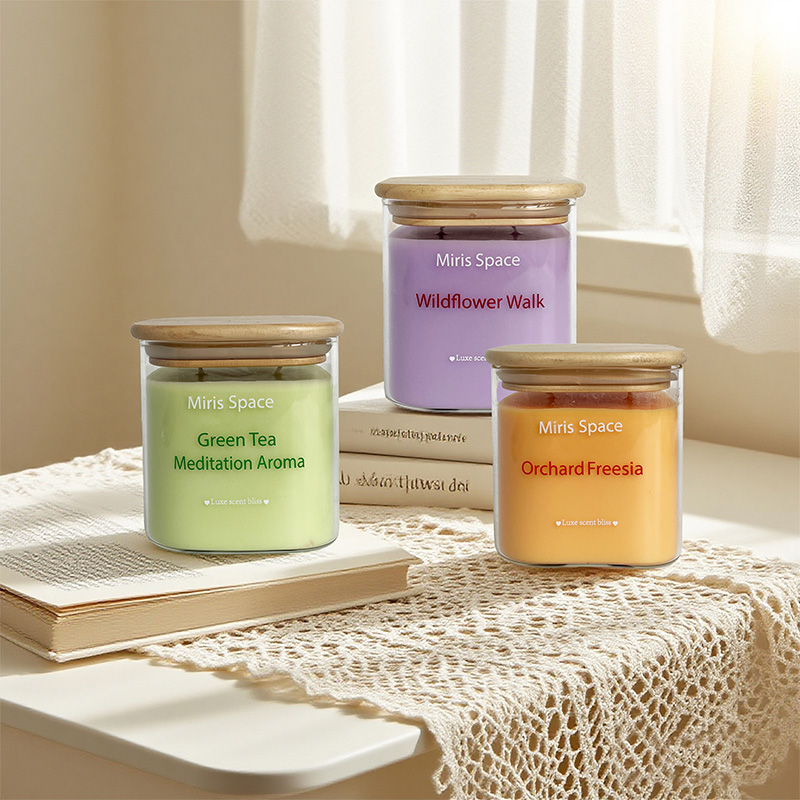 Warm And Natural Colored Wax With Wooden Lid Scented Candle Customizable Natural Soy Wax
-
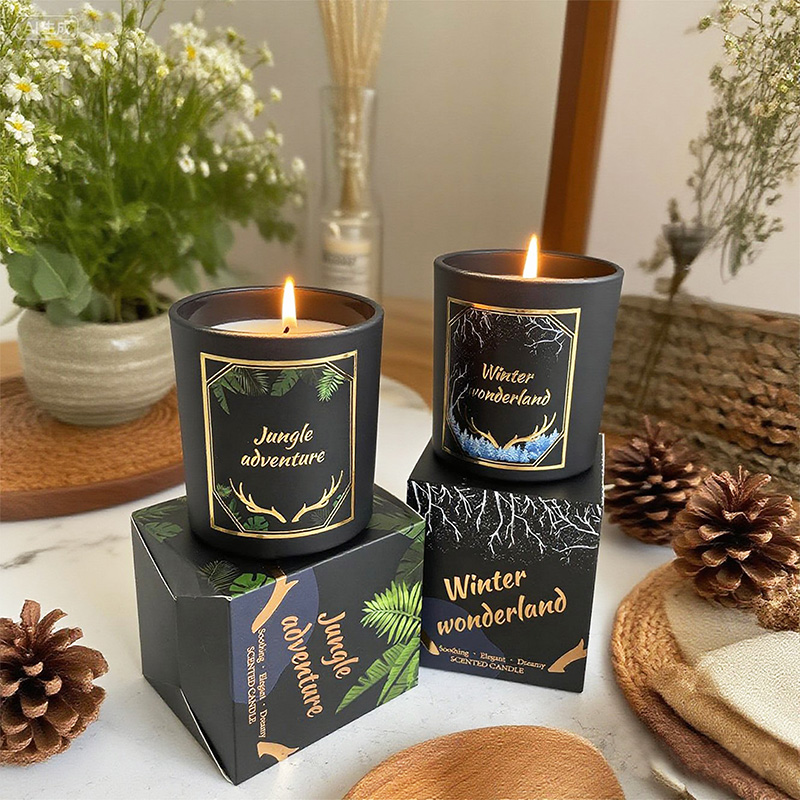 Black Textured Glass Scented Candle with Gold-Stamped Label, Wooden Wick – Custom Logo
-
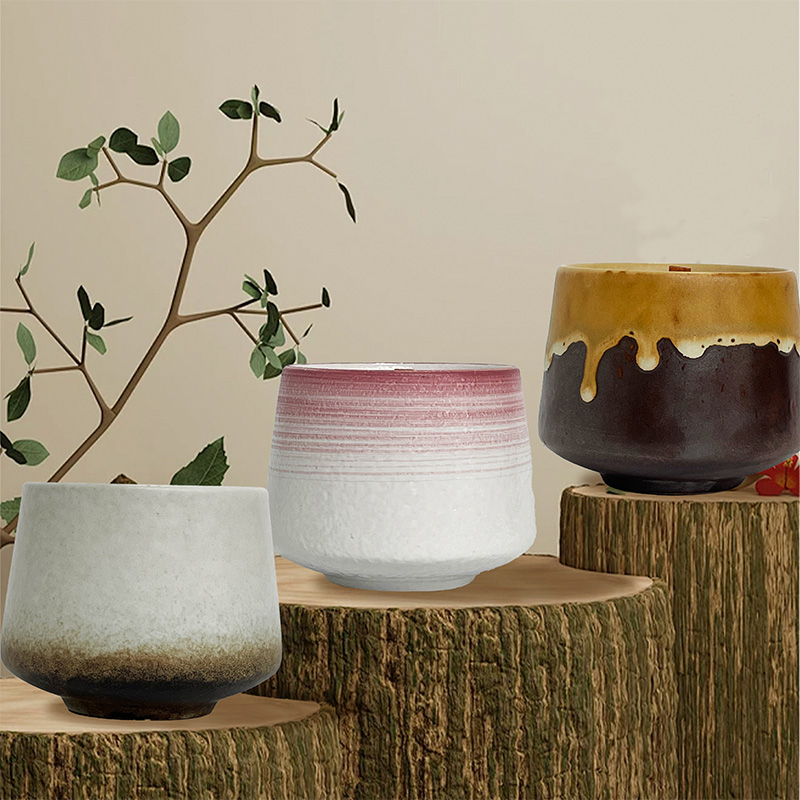 Artistic Romantic Niche Scented Candle with Pure Natural Soy Wax
-
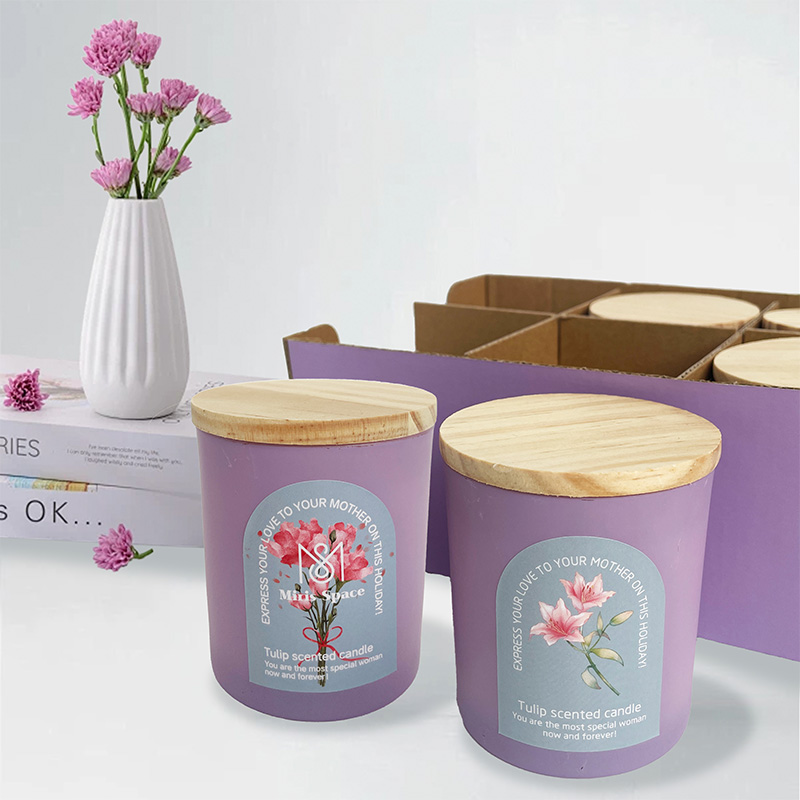 Purple Floral Wooden Lid Scented Candle Set – Custom Logo Available
-
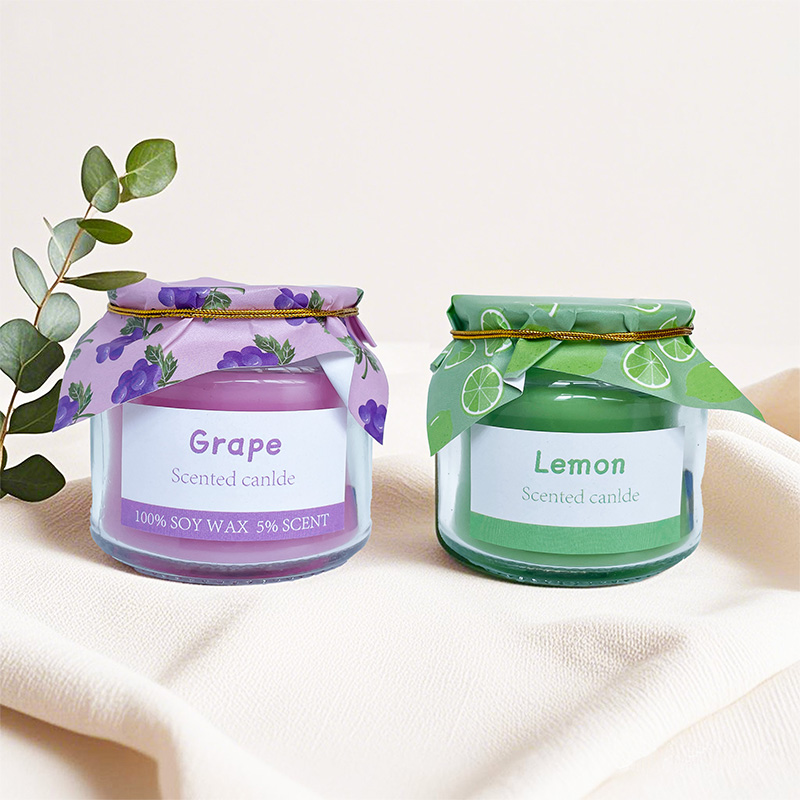 Glass Jar Fruit Scented Candle – Natural Soy Wax, Custom Logo Available
Get in touch: [email protected]
Copyright © Xuancheng Zhiwen Handicraft Co., Ltd.
