 English
 Français
 Deutsch

Branded Scented Candles: A Practical Sourcing Guide for Brand Owners and Buyers
Content
- 1 What Makes Branded Scented Candles Feel Different
- 2 Start With the Scent Story
- 3 Choose Formats That Match the Buying Moment
- 4 Vessel, Wax, and Wick Are Brand Decisions
- 5 Packaging Turns a Candle Into a Gift
- 6 Seasonal Ranges Keep a Brand Fresh
- 7 Sourcing Branded Scented Candles with Confidence
- 8 A Practical Buyer Checklist
Branded scented candles do more than make a room smell pleasant. They carry a point of view. A customer may remember the calm feeling of a lavender candle, the warmth of a wooden wick, or the weight of a beautifully finished jar long after the flame is out. That is why building a candle range is never just a matter of choosing a fragrance and printing a logo. It is a series of decisions about scent, vessel, wax, wick, packaging, and production consistency.
At Candlehere, our team has worked with buyers across more than 30 countries and has seen how small choices shape the way a candle brand is received. This guide is written for brand owners, product developers, and sourcing teams who want branded scented candles that feel coherent, perform well, and can be produced with confidence.
What Makes Branded Scented Candles Feel Different
A branded candle should feel familiar the second time a customer buys it. The fragrance should land the same way. The wax should behave the same way. The label should sit correctly on the vessel, and the burn should match the promise made on the box. When those details hold together, the candle becomes more than a product. It becomes part of the brand's identity.
This is where many candle projects run into trouble. A fragrance that smells strong in a sample bottle may fade in a wide jar. A beautiful vessel may look elegant on a mood board but feel awkward in the hand. A wooden wick may create a lovely crackle but need a different wax blend to burn cleanly. Experienced buyers treat these elements as one system, not separate line items.
Start With the Scent Story
Scent is usually the first thing customers notice, but it should not be chosen in isolation. A branded candle range needs a clear scent direction that fits the brand's mood and the spaces where the candle will be used. Fresh citrus suits morning routines and kitchen spaces. Soft florals work well for gifts and spring collections. Woody, amber, and spice notes often support autumn and winter ranges. The goal is not to offer every option. It is to build a family of scents that feel related.
Build a Signature, Not a Single Note
Many successful candle brands begin with one signature fragrance and then build variations around it. A clean linen scent might lead to a lavender version for bedrooms or a citrus version for kitchens. This approach helps customers understand the brand while giving them reasons to return. It also makes range planning easier because the fragrances share a common character without repeating the same note in every jar.
Test the Scent in Its Final Format
The final container matters. Wax type, fragrance load, wick size, and jar diameter all influence how a scent is released. A fragrance that performs well in a small tin may need adjustment in a three-wick jar. During sampling, ask to test the scent in the actual vessel, wax, and wick combination you plan to sell. A clean, minimalist glass design can support a wide range of fragrances without competing with the label, and it gives the scent room to be the focus.
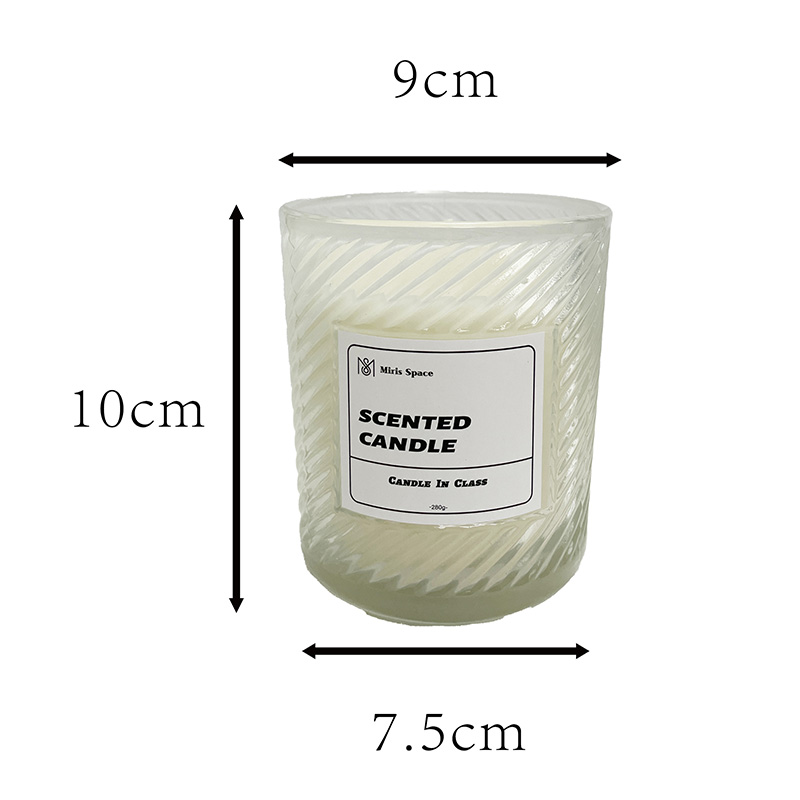 Black and White Twill Glass Scented CandleMinimalist 267 g soy wax candle in a conical twill glass jar, with a neutral fresh scent and custom logo options for branded ranges.View Product →
Choose Formats That Match the Buying Moment
Branded scented candles can take many forms, and each format serves a different role in a range. A jar candle may be the signature product, while a tin candle works as a lower-commitment gift or trial size. A pillar candle can act as a decorative centerpiece. Wax melts can add a low-price entry point, and reed diffusers can extend the range beyond candles into continuous home fragrance.
| Format | Brand role | Strong fit | Custom focus |
|---|---|---|---|
| Jar candles | Signature retail candle | Everyday home fragrance and gift sets | Jar shape, lid, wax color, label |
| Tin candles | Accessible trial and travel format | Seasonal gifts and sampling | Tin finish, lid, printed wrap |
| Pillar candles | Decor-led statement piece | Holiday tables and visual displays | Sculpted shape, wax, core color |
| Wax melts | Low-ticket add-on | Bundles and scent discovery | Shape, clamshell, scent variety |
| Reed diffusers | Passive continuous fragrance | Bedrooms, hotel spaces, gift sets | Bottle, reeds, fragrance strength |
A balanced home fragrance collection often combines two or three formats rather than trying to make one format do everything. This gives retail buyers flexibility while keeping the brand story clear.
Vessel, Wax, and Wick Are Brand Decisions
The vessel is the part of a branded candle that customers touch before they light it. Glass, ceramic, tin, and concrete each send a different signal. Clear glass feels clean and modern. Frosted glass feels softer and more gift-like. Ceramic can feel crafted and substantial. Tin is light, practical, and easy to pack for seasonal ranges. The vessel should protect the wax, sit safely on a surface, and leave enough room for a clean burn.
Wax and wick choices are just as important. Soy wax, palm wax, beeswax blends, and custom plant-wax formulas behave differently in terms of scent throw, surface finish, burn time, and temperature tolerance. Cotton wicks, wood wicks, and specialty wicks each create a different experience. For branded scented candles, the right answer is not always the most premium-sounding material. It is the combination that supports the brand's price point, market, and scent profile. During custom candle development, it helps to discuss these points together rather than choosing them one by one.
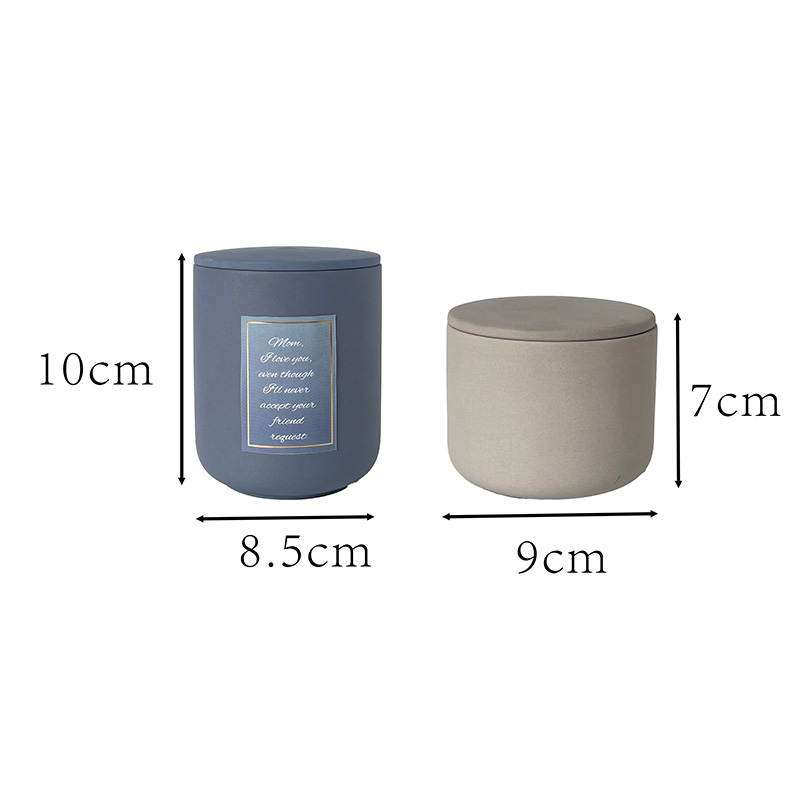 Morandi Lidded Ceramic Jar Soy Wax CandleSoy wax candle in a Morandi ceramic lidded jar with a wooden wick, offered in 231 g and 300 g sizes for wholesale ranges.View Product →
Packaging Turns a Candle Into a Gift
Packaging is where many branded candles either feel finished or feel almost finished. A label that wrinkles, a box that is too tight, or a lid that shifts in transit can weaken an otherwise strong product. Good packaging protects the candle and guides the customer's first impression. It also carries practical information such as scent name, burn instructions, safety wording, and ingredients where required.
Think about the unboxing moment as part of the product. A simple paper wrap can suit a natural, understated brand. A rigid gift box with foil detail may suit a more premium seasonal range. Printed logos, label shapes, tissue, inserts, and closure details should all feel consistent with the candle inside. It is worth approving packaging with the finished candle, not on its own, because weight, fit, and finish change once everything is assembled.
Seasonal Ranges Keep a Brand Fresh
Seasonal candles give customers a reason to return and give retail buyers a clear story for the shelf. Christmas, fall, Halloween, Valentine's Day, and Mother's Day ranges can use themed shapes, colors, labels, and gift packaging without abandoning the core brand look. A Christmas tree-shaped candle, for example, can be playful in form while still using the same wax and fragrance quality as the main range.
The strongest seasonal ranges are usually planned around a short list of scents and a small number of formats. Too many shapes can complicate production and confuse the customer. A focused collection of jar candles, tin candles, and one or two decorative pieces often creates more impact than a crowded assortment. Seasonal products should also be tested early enough to allow for packaging approvals and production lead times.
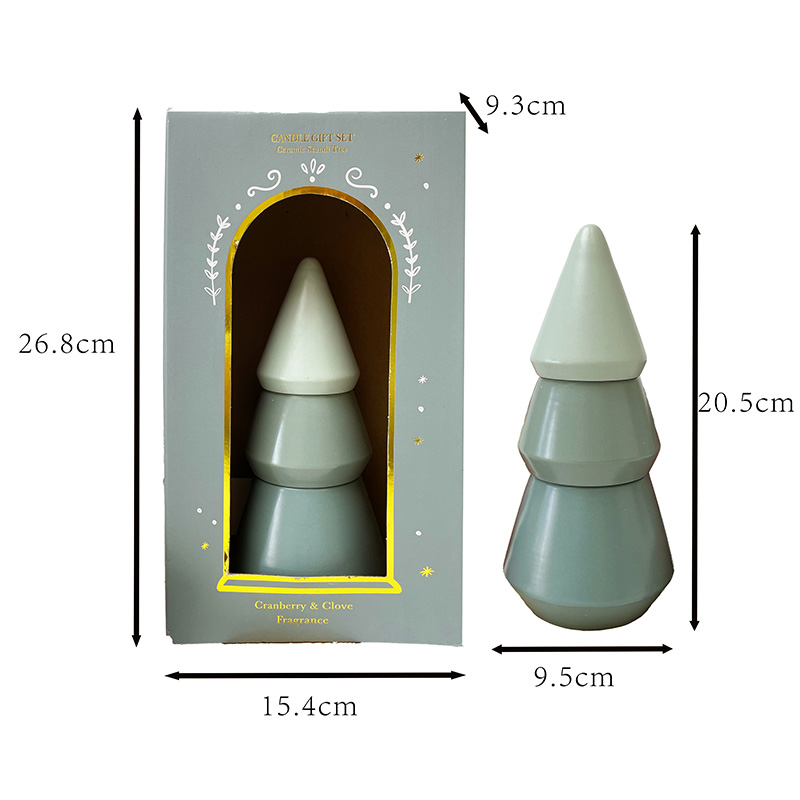 Detachable Christmas Tree Soy Wax Scented Candle658 g soy wax holiday candle in a ceramic cup, shaped as a detachable Christmas tree with custom logo options for seasonal gifting.View Product →
Sourcing Branded Scented Candles with Confidence
Sourcing is where the creative work meets reality. A manufacturer may be able to make almost anything, but the best results come from a clear brief. Share the intended market, price position, candle format, wax preference, wick direction, fragrance style, vessel type, and packaging requirements. If the candle will be sold as a gift, say so early. If it must survive long transit or high summer temperatures, that should be part of the brief too.
Before placing a bulk order, ask for samples made in the final components. Review cold throw, hot throw, burn stability, wick performance, soot, tunneling, and container heat. Confirm how the manufacturer handles fragrance dosing, color matching, label placement, and repeat orders. For branded scented candles, consistency between the sample and the production run is the real measure of a good supplier. It is also reasonable to ask how the factory manages quality checks, documentation, and changes in raw materials.
A Practical Buyer Checklist
- Define the role of each candle format in the range before choosing scents.
- Test fragrances in the final wax, wick, and vessel combination.
- Check the vessel for hand feel, lid fit, heat resistance, and packing efficiency.
- Confirm burn instructions and safety wording for the target market.
- Approve a golden sample and keep it as the production reference.
- Plan seasonal packaging early so labels, boxes, and candles arrive together.
Branded scented candles work best when the brand idea is visible in every layer: the scent choice, the wax, the wick, the vessel, the label, and the way the finished candle behaves after it is lit. That kind of coherence rarely happens by accident, but it does not require a complicated process. It requires clear decisions, honest sampling, and a manufacturing partner who understands that a candle is both a product and an experience.
For buyers building a new range or refreshing an existing one, the most useful next step is often a focused conversation about format, fragrance direction, and custom details. From there, samples can do the work that catalogs cannot.
-
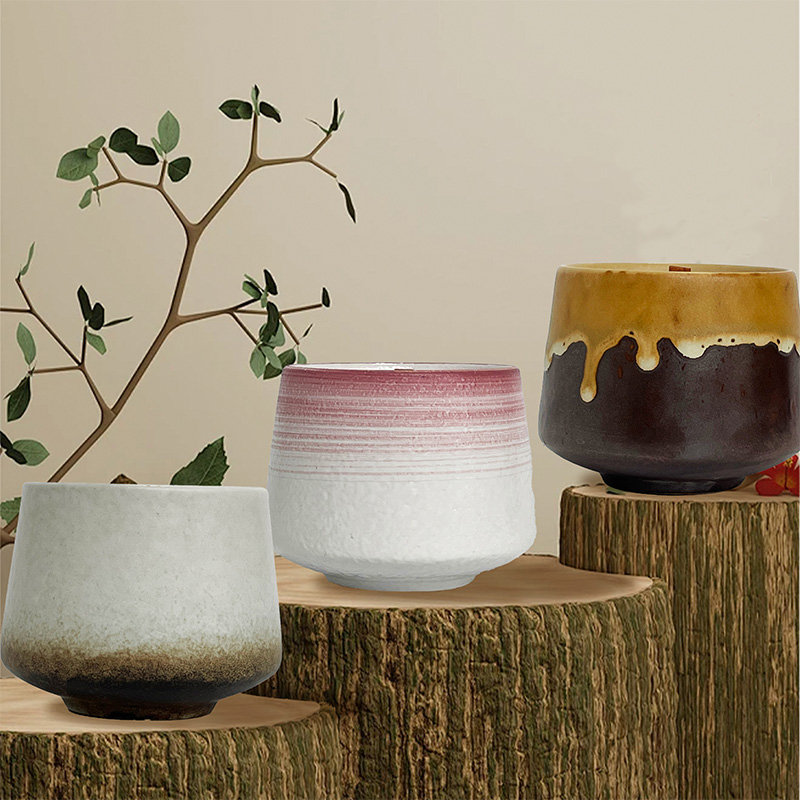 Artistic Romantic Niche Scented Candle with Pure Natural Soy Wax
-
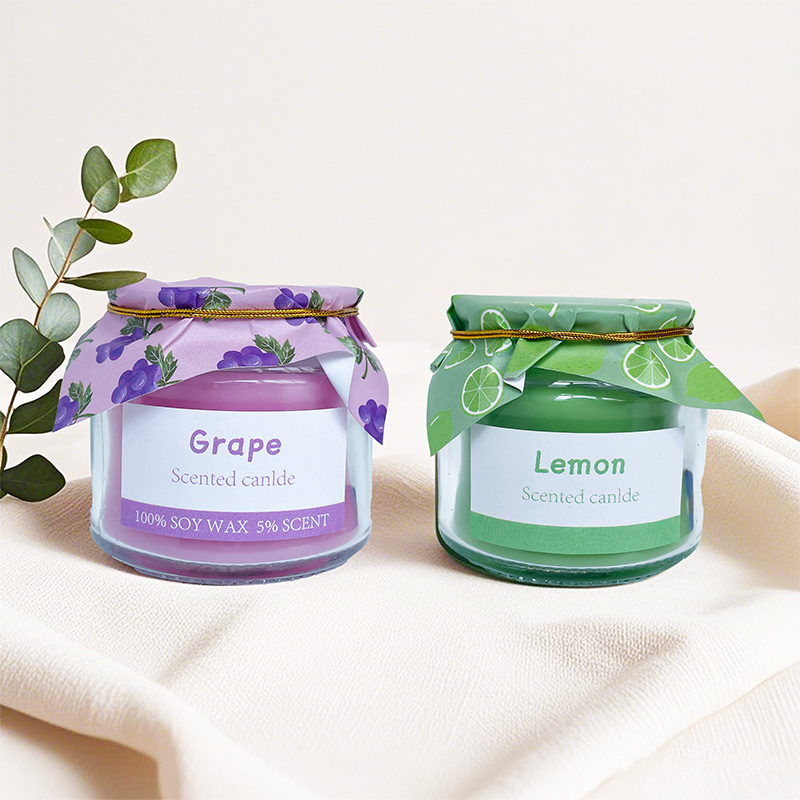 Glass Jar Fruit Scented Candle – Natural Soy Wax, Custom Logo Available
-
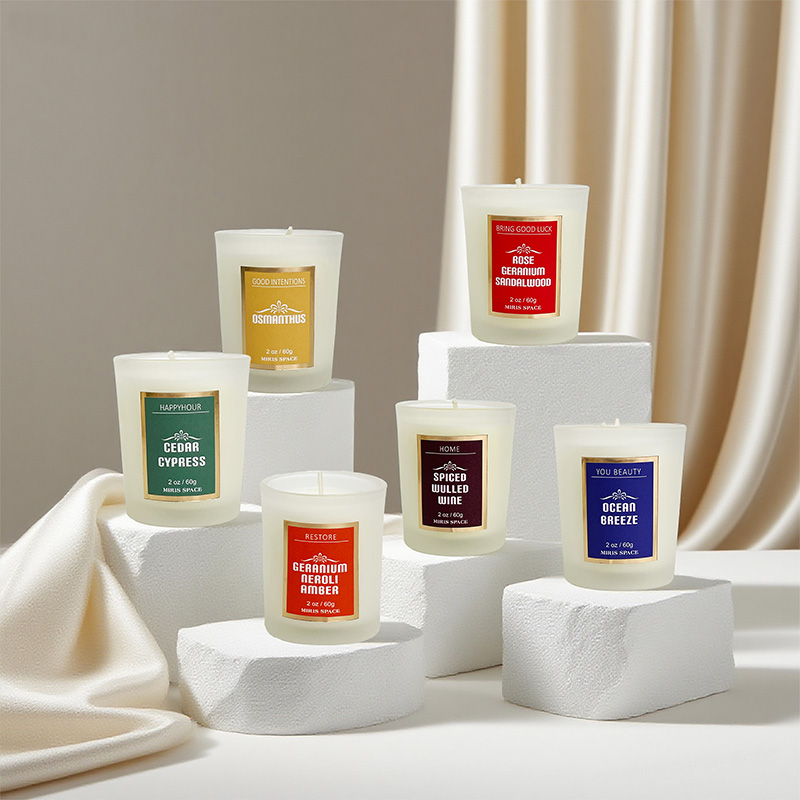 Colorful Rainbow Set Soy Wax Scented Candle – Custom Logo Available
-
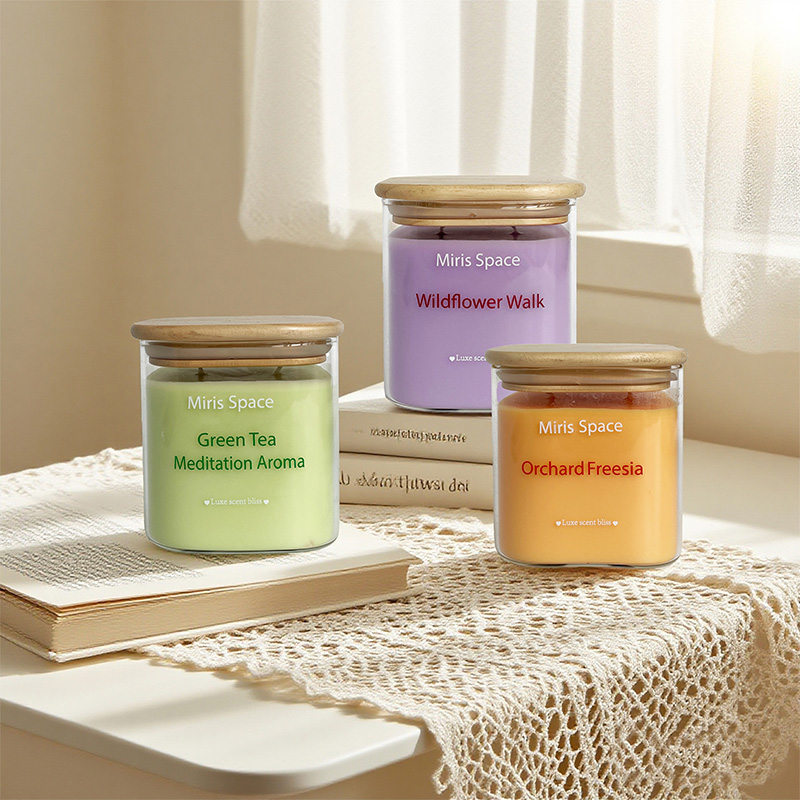 Warm And Natural Colored Wax With Wooden Lid Scented Candle Customizable Natural Soy Wax
-
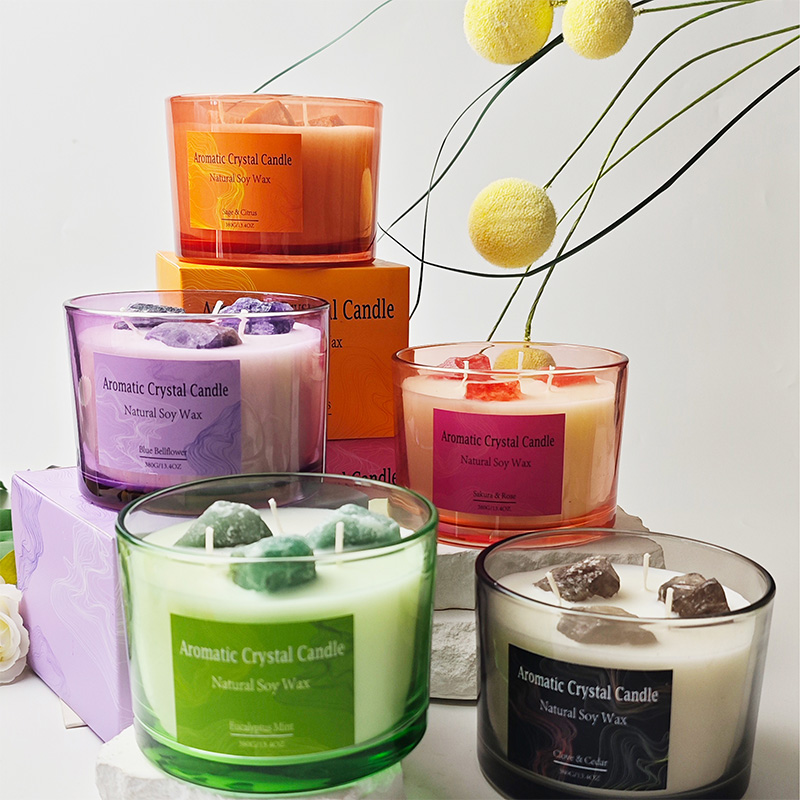 Colored Crystal Healing Scented Candle for Home Use, Long-Lasting Fragrance with Natural Soy Wax
-
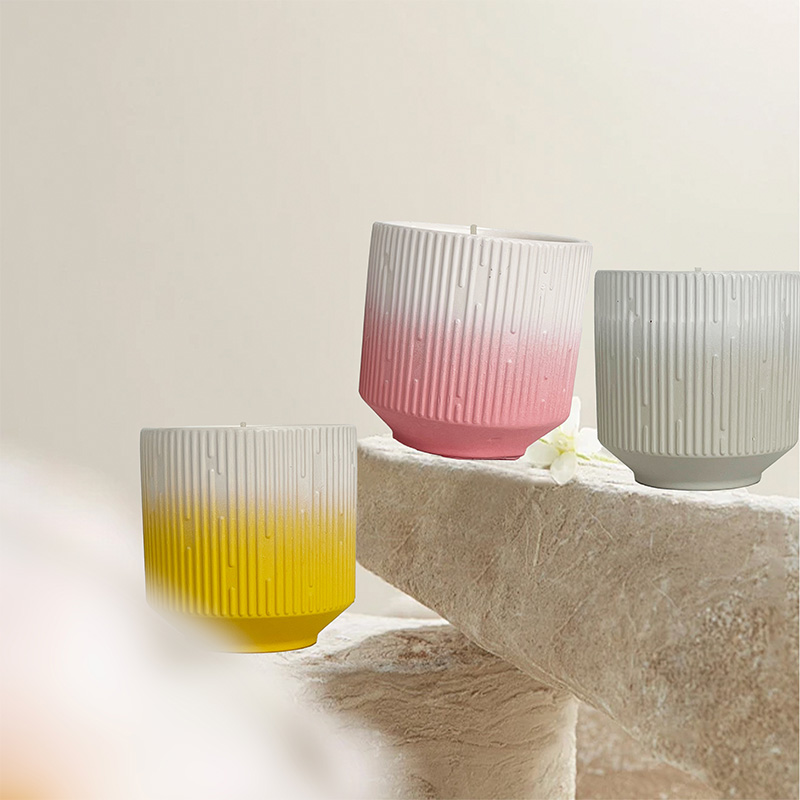 Romantic Gradient Natural Ambiance Scented Candle with Long-Lasting Fragrance, Soy Wax
Get in touch: [email protected]
Copyright © Xuancheng Zhiwen Handicraft Co., Ltd.
