 English
 Français
 Deutsch
- How to Choose Private Label Candle Manufacturers: A Sourcing Guide for Brands
- Luxury Private Label Candles: A Brand Owner's Guide to Custom Scented Candles
- Custom Luxury Candle Manufacturing: A Brand Owner's Guide to Private Label
- Branded Scented Candles: A Practical Sourcing Guide for Brand Owners and Buyers

How to Choose a Candle Producer: A Private Label Brand's Sourcing Guide
Content
Most candle brands do not begin in a factory. They begin with a scent memory, a mood board, or a container someone fell in love with in a shop. The search for a candle producer comes later, usually after the first small batch sells out and the founder works out that hand-pouring three hundred units a week is not a business model.
We have been on the manufacturing side of that story since 2004, starting with religious candles for the American market, moving through palm wax, and later developing plant wax blends and home fragrance collections that now ship to customers in more than thirty countries. What we have learned along the way is simple: choosing a producer is less about the price per unit and more about how many problems the factory quietly solves before wax ever touches a jar.
This guide is written from that side of the table. It covers what a candle producer actually controls, the questions that separate a real manufacturer from a middleman, and how to plan a line that still smells right on the sixth reorder.
What a Candle Producer Really Controls
From the outside, candle making looks like melting wax and adding fragrance. From the inside, it is a chain of decisions where each link affects the next, and a weak link shows up months later as a customer complaint.
Wax. Soy, palm, coconut, beeswax and blended paraffin behave differently in the same container. They shrink differently, hold fragrance differently, and throw scent differently when the wick is lit. A producer who blends wax in-house can adjust the recipe when a supplier's batch shifts; one who simply buys pre-blended slabs cannot.
Wick. Cotton, paper-cored and wooden wicks each need a different gauge for a given jar diameter and wax type. The right wick is found by burning, not by reading a chart, which is why every new combination deserves a full burn test.
Fragrance load. More oil is not automatically better. Above a certain percentage the wax stops holding the scent, the flame grows, and soot appears. The skill lies in finding the highest load the wax will carry cleanly, then keeping that number stable across thousands of units.
Curing. Freshly poured candles need time before they reach their full cold throw. Rushing that stage is one of the most common reasons a sample smells wonderful and the bulk order does not.
Our own factory holds eleven patents on scented candle production equipment, and we mention that not to boast but because tooling matters: the way a wick is centred, the temperature curve of the pour, and the way lids are seated all influence what the buyer sees when the carton is opened.
In-House Production Versus a Trading Middleman
Plenty of companies will happily quote you a candle. Fewer will tell you who actually pours it. Before comparing prices, establish which kind of supplier you are talking to, because the difference appears at the worst possible moment: during a reorder, a formula tweak, or a quality claim.
| Capability | In-house candle producer | Trading middleman |
|---|---|---|
| Wax formulation | Blended and burn-tested on site | Passed to an outside factory |
| Fragrance trials | Sampled in days from an oil library | Dependent on a third party's schedule |
| Sample accuracy | Made on the same line as bulk | Often hand-poured separately |
| Reorder consistency | Same formula, same equipment | Recipe may drift between workshops |
| Problem solving | Direct with the people who made it | Relayed through a message chain |
The Decisions That Shape a Candle Line
Once you know who is producing, the creative conversation can start in earnest. In our experience four choices carry most of the weight, and they are best settled together rather than one at a time.
- Wax and burn behaviour. Decide whether the story is clean-burning soy, a palm blend, or a technical wax chosen for colour and shape retention.
- Vessel and lid. Glass, ceramic, cement, tin and wood each set a different price point and a different unboxing moment.
- Scent direction. Fruit, floral, woody, gourmand and spa notes all sell, but not to the same customer, and not in the same season.
- Decoration and finish. Labels, foil stamping, dried flowers, crystals and printed boxes are where a private label range starts looking like a brand rather than a product.
It helps to see those options laid out rather than described, which is why we publish our design and customisation pathway in full, from wax selection through to printing effects.
Formats Buyers Ask For Most
Certain formats keep returning because they work: they protect the wax, photograph well and survive shipping. Jar candles remain the backbone of most private label ranges, and a clean glass vessel with a restrained label is still the easiest product to sell online.
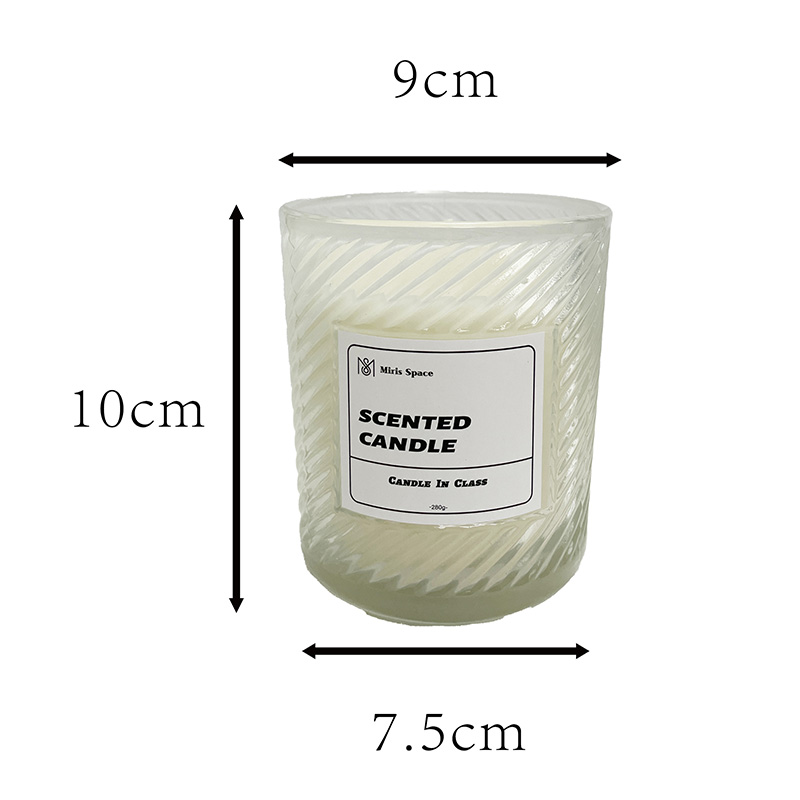 Black and White Minimalist Glass Scented CandleA 267 g natural soy wax candle in a twill-textured glass jar, suited to minimalist private-label ranges and corporate gifts.View Product →
Tin candles are the practical option for gift sets, travel sizes and lower price tiers. They are light, dent-resistant and take printed decoration beautifully, which makes them a favourite for seasonal collections that need to hit a specific retail price.
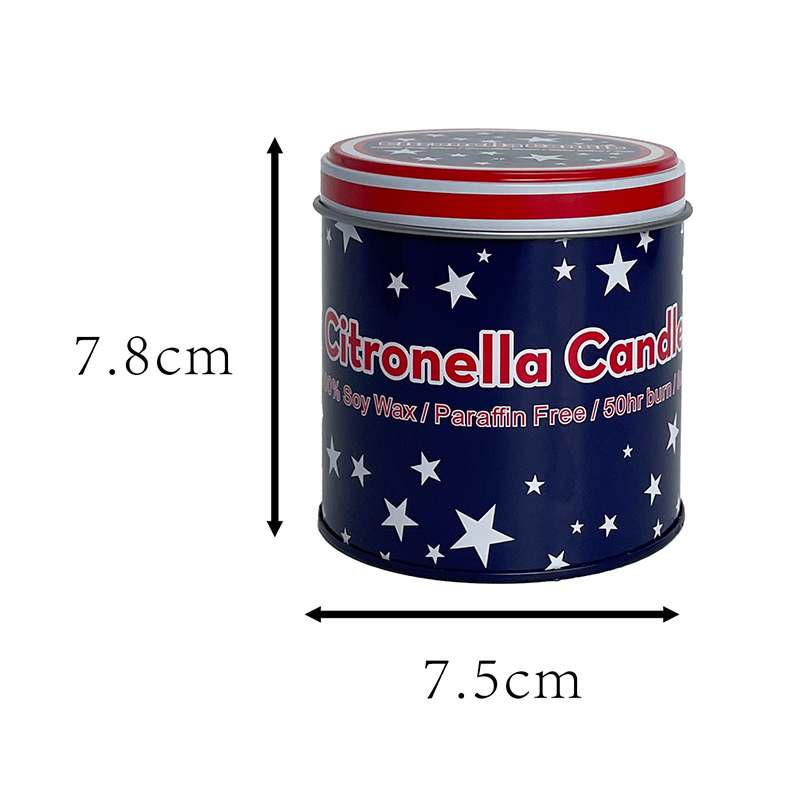 American Retro Tin Scented CandleA 170 g natural soy wax tin candle with nostalgic American styling, ideal for themed gifts and seasonal retail collections.View Product →
Beyond candles, many brands now add a flame-free product to the same shelf. Reed diffusers cover hallways, bathrooms and hotel rooms where an open flame is impractical, and they let a scent range live in more than one corner of a customer's home.
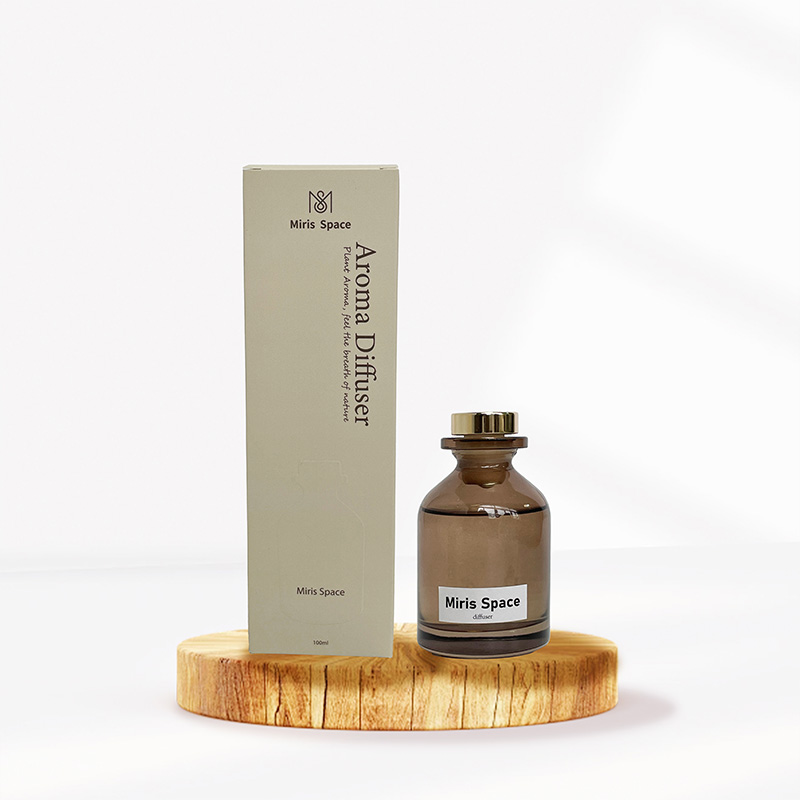 Long-Lasting Hotel Room Reed DiffuserA 285 g flameless reed diffuser for hotel guest rooms and commercial spaces, offering steady, clean scent diffusion and bulk logo customization.View Product →
Pillar candles, wax melts and shaped decorative pieces fill out the rest of a catalogue. Shaped pillars in particular have moved from novelty to core range for brands whose customers photograph their homes.
Seasonal Programs: Where Margins Are Won
Holiday ranges reward planning. Christmas, autumn, Halloween, Valentine's Day and Mother's Day each carry their own palette, packaging convention and gifting logic, and retailers place those orders months before consumers see them.
Practically, that means a seasonal concept should be locked in well ahead of the shipping window, with the vessel, wax colour, scent and box all confirmed before production slots fill. A pumpkin-shaped candle in mid-October is a conversation; the same candle in June is a programme. Brands that treat seasonal development as an annual calendar rather than a last-minute idea consistently get the better shelf position.
Sampling, Safety and the Questions Worth Asking
Every serious buyer should ask for samples, but the more useful step is asking how those samples were made. A sample poured on a bench tells you what the scent smells like; a sample pulled from the production line tells you what your customers will receive.
- Which waxes do you blend in-house, and can you supply burn test data?
- How is fragrance load decided, and does the wick change when the load changes?
- How long do candles cure before packing, and does that hold for large orders?
- Which safety and labelling documents can you provide for my market?
- Who handles logo printing, boxes and lids, and how are proofs approved?
- What happens if a batch arrives with sinking, frosting or weak throw?
Clear answers, given without hesitation, are worth more than a lower quote. Vague ones usually mean the work is happening somewhere the supplier cannot see.
Working With a Producer Over the Long Term
The best manufacturing relationships resemble a working partnership rather than a transaction. The producer learns your scent vocabulary, your packaging tolerances and your customer's expectations, and each season starts closer to finished than the last. That is the reason we still describe ourselves as a scented candle manufacturer rather than a trading house: the people who answer your questions are the people who sign off the batch.
If you are weighing up a new range, our OEM and ODM service pages explain how development, sampling and production fit together, and what we need from you at each stage. Bring a scent idea, a container reference or simply a price point, and there is usually a sensible way to build it.
Product Consultation
Related products
-
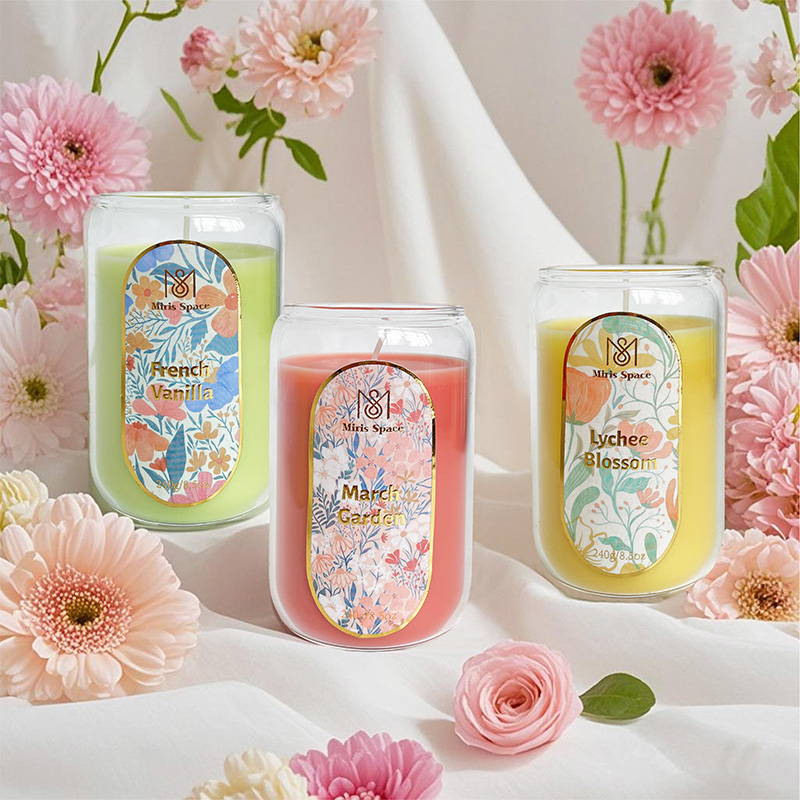 Spring Garden Gold-Label Scented Candle – Private Custom Logo
-
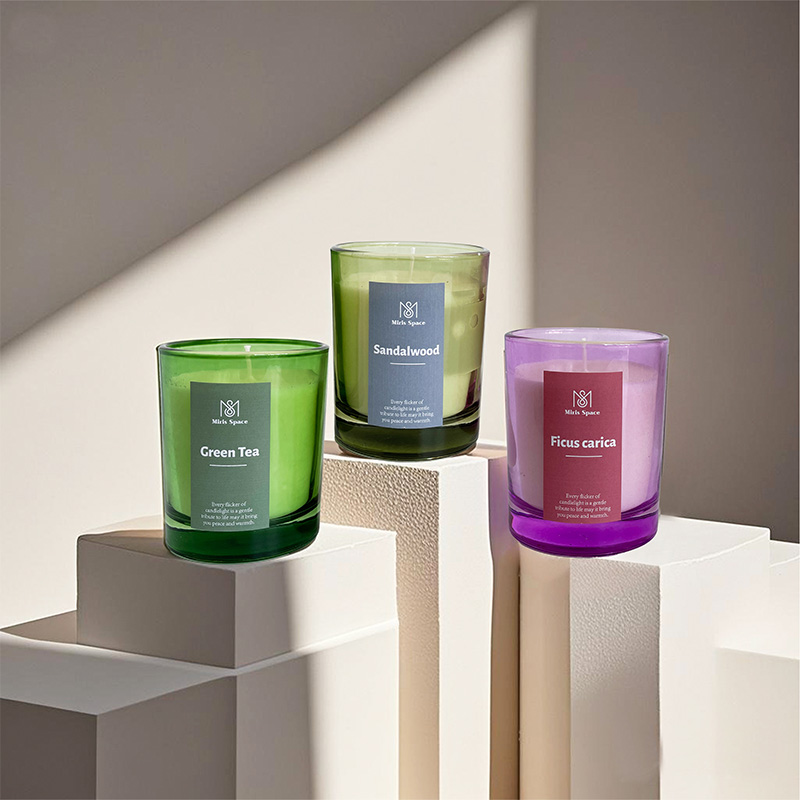 Colorful Glass Jar Natural Scented Candle with Simple Label – Custom Logo Available
-
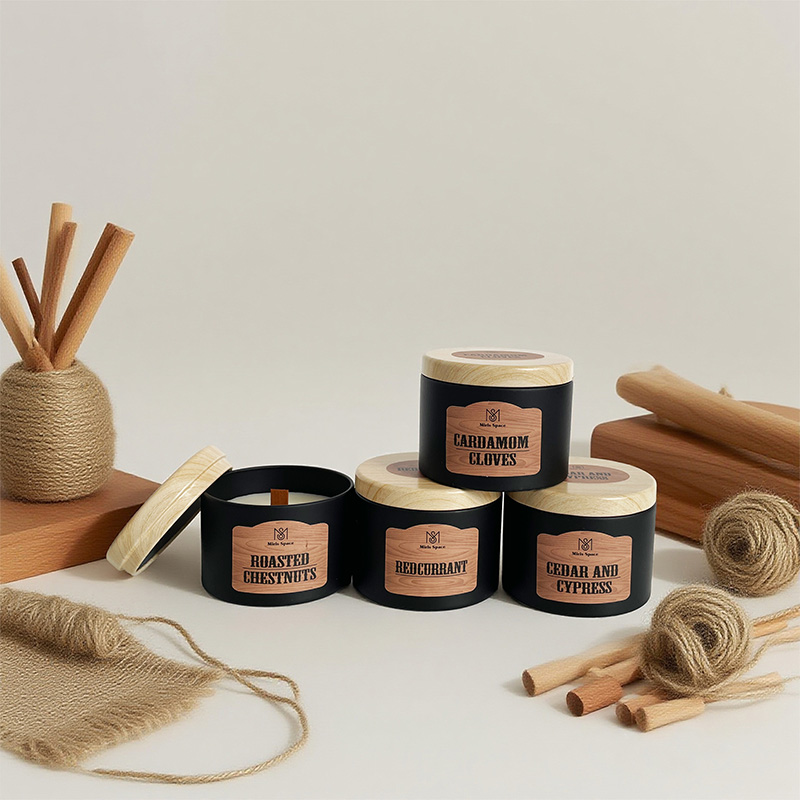 Black Wooden Lid Wood Grain Label Scented Candle Private Custom LOGO
-
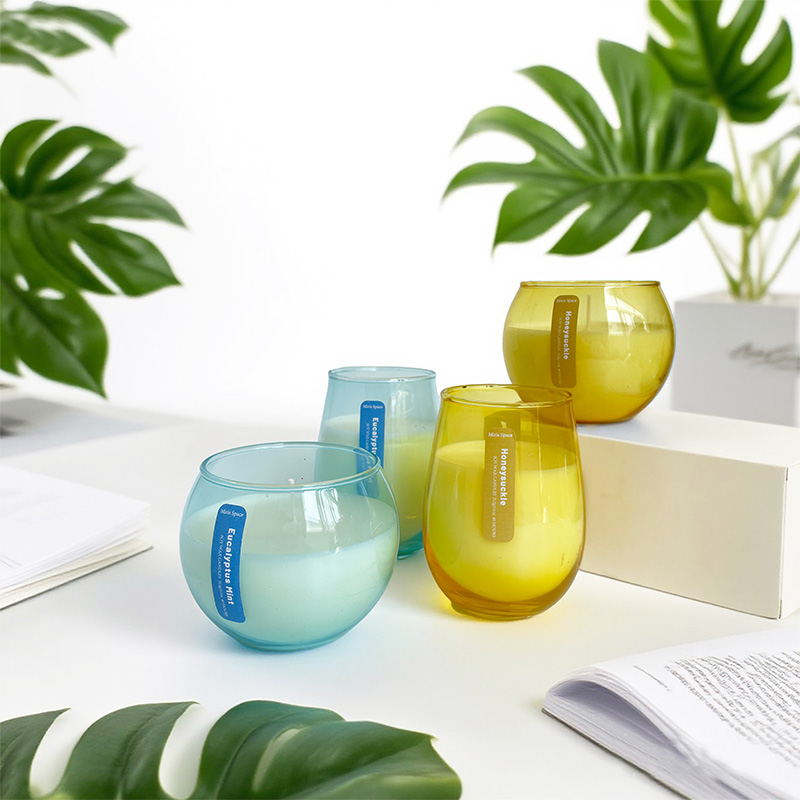 Round Minimalist Label Scented Candle with Pure Natural Soy Wax Private Custom LOGO
-
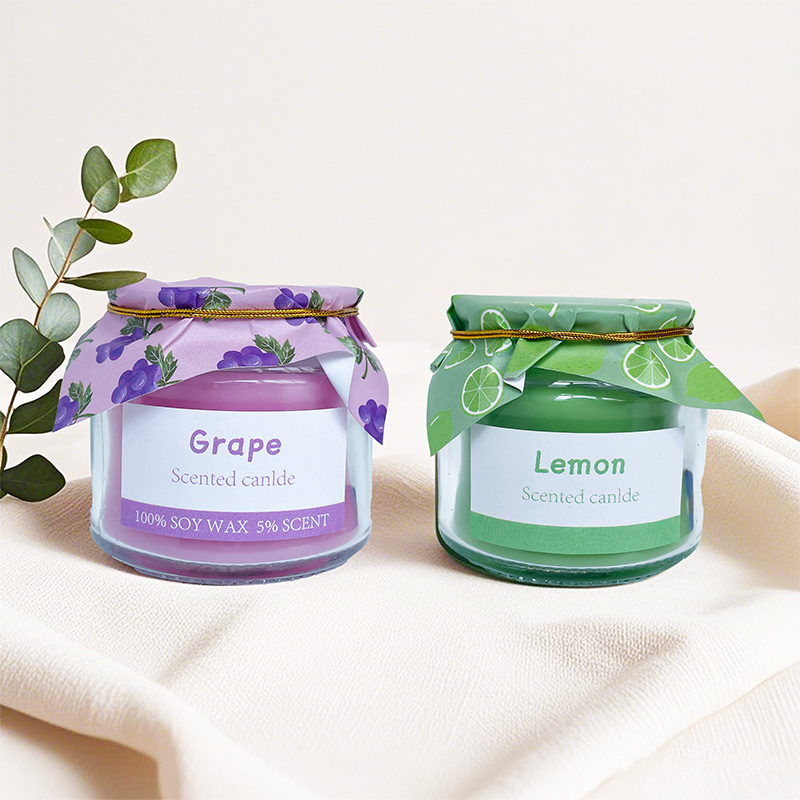 Glass Jar Fruit Scented Candle – Natural Soy Wax, Custom Logo Available
-
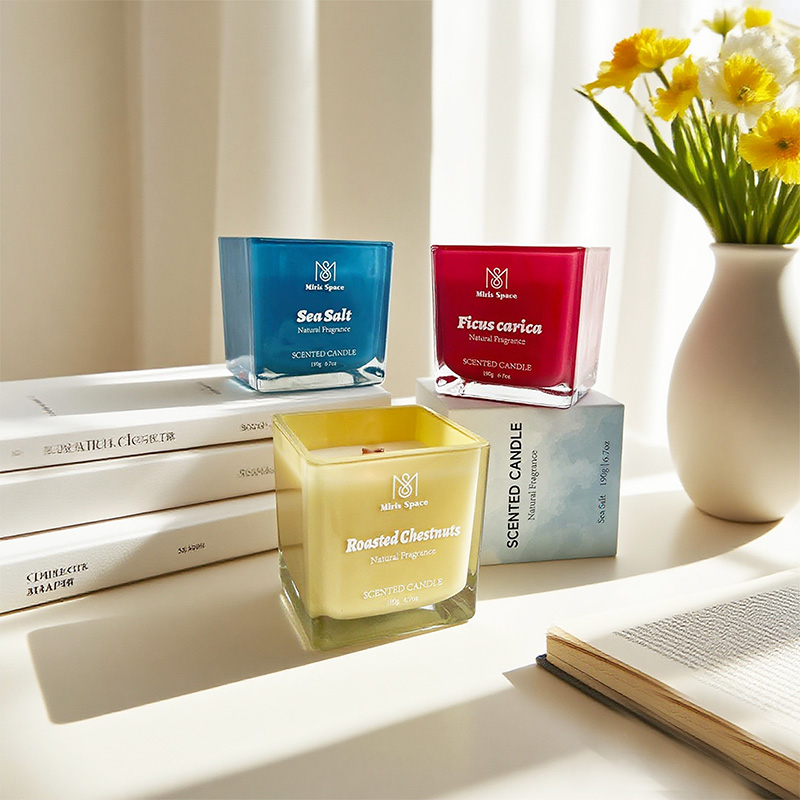 Square Colored Print Scented Candle Private Custom Logo Natural Soy Wax
Let's work together.
Get in touch: [email protected]
Get in touch: [email protected]
Copyright © Xuancheng Zhiwen Handicraft Co., Ltd.
