 English
 Français
 Deutsch
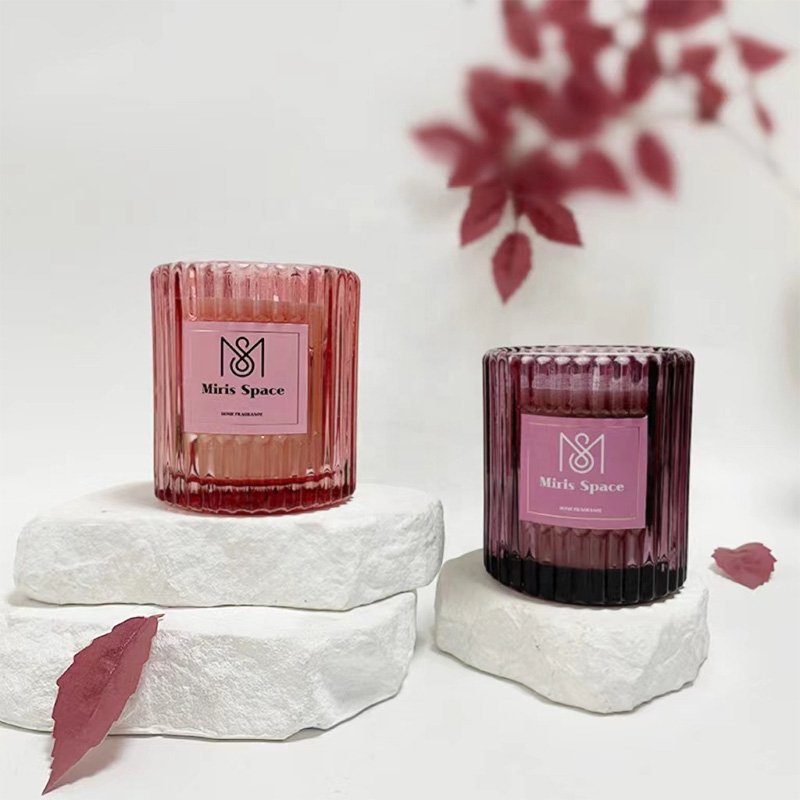
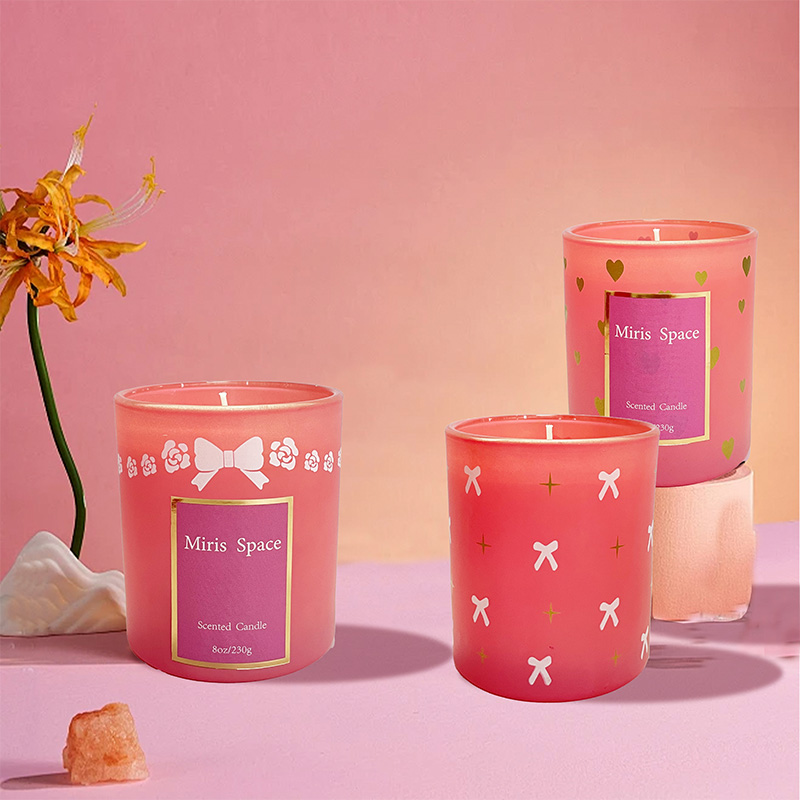
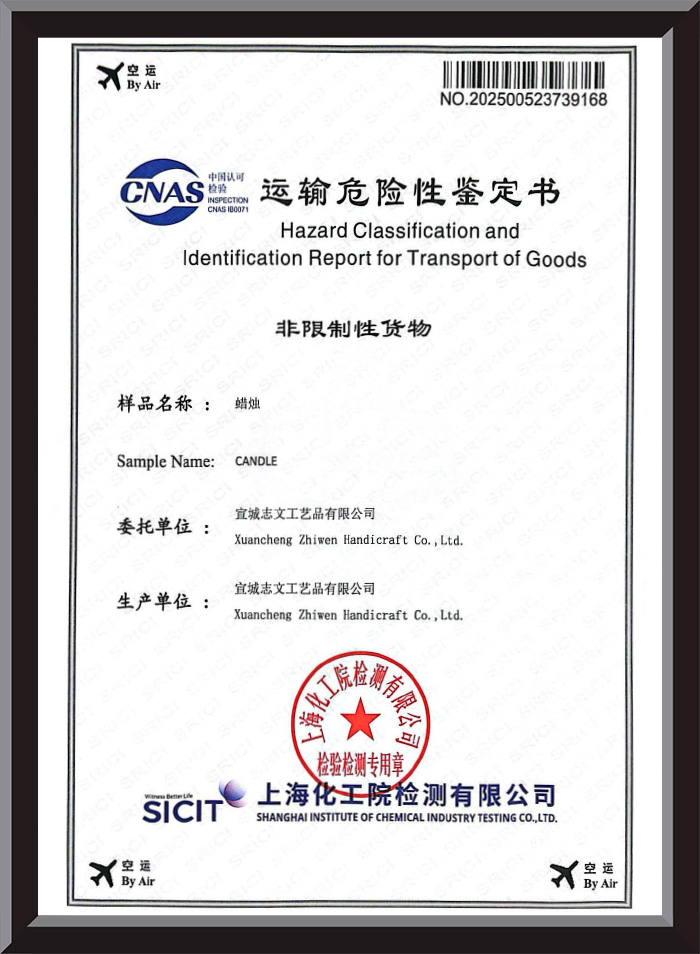
Founded on April 21, 2004, Xuancheng Zhiwen Handicraft Co., Ltd. is a high-tech enterprise specializing in the production of scented candles. Zhiwen Handicraft has a professional R&D and sales team, mainly providing labeling and processing services for scented candles for overseas markets. OEM/ODM Holiday Scented Candles Manufacturers and Holiday Scented Candles Factory in China. From sustainably sourced ingredients to rigorous quality control, every step meets global environmental and safety standards. From Sketch to Shelf-We specialize in co-creating unique selling points with brands, delivering one-stop fragrance design solutions that bring your vision to life! Holiday Scented Candles Wholesale. The company serves customers in more than 30 countries and regions.

Plant-Based Wax Blends: Renewable & biodegradable soy/coconut/beeswax formulas—free
from paraffin and toxins.
Clean-Burning Wicks: 100% lead-free cotton cores for smoke-free, non-toxic flames.
Recyclable Packaging: Glass jars, tin containers & FSC-certified paper boxes designed for
zero-waste living.

Low-Waste Production: Wax remnants are upcycled, and imperfect items are ethically repurposed.
Energy-Smart Manufacturing: Solar-powered facilities reduce carbon emissions.
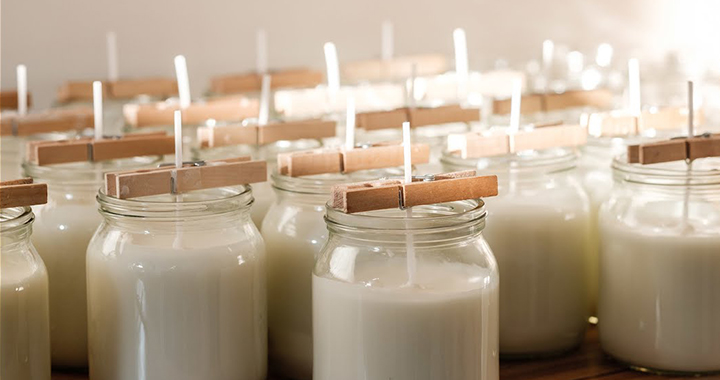
Visual Inspection: Ensuring flawless wax surfaces and scratch-free vessels.
Fragrance Test: Achieving a balanced scent without being overpowering.
Burn Trial: Delivering soot-free flames with consistent burn time.
Vegan & Cruelty-Free: uses plant-derived dyes and fragrances without animal testing.
Fair Trade Ingredients: Sourcing ethically sourced essential oils that support global communities.
Matching Wax, Fragrance, and Wick Systems for Reliable Holiday Performance
Holiday scented candles often contain complex fragrance blends built around spices, woods, resins, fruits, and sweet gourmand notes. These materials do not behave identically in wax. Heavy components such as vanilla, amber, balsam, and cinnamon accords may affect viscosity, wick performance, and surface appearance. Buyers should therefore evaluate the candle as a complete system rather than selecting the wax, fragrance load, and wick independently.
Why the maximum fragrance load is not always the best target
A higher fragrance percentage does not automatically create a stronger or better-performing candle. Excess oil may cause sweating, poor adhesion, unstable flames, carbon buildup, or incomplete combustion. In many formulations, a properly balanced fragrance load produces a cleaner scent profile and more consistent hot throw than a formula pushed to the wax supplier’s maximum allowance.
- Confirm that the selected fragrance is compatible with the wax type and intended pouring temperature.
- Test wick size again whenever the fragrance concentration, vessel diameter, dye, or decorative additive changes.
- Evaluate both cold throw and hot throw after an appropriate curing period.
- Inspect the melt pool, flame height, soot level, container temperature, and remaining wax after repeated burn cycles.
For seasonal projects, we recommend approving the fragrance and vessel before final wick selection. At Zhiwen Handicraft, we use production experience and equipment-focused technical knowledge to help customers reduce unnecessary adjustments between sampling and mass production.
Building a Practical Burn-Test Plan for Seasonal Candle Collections
A holiday candle may perform well during the first lighting but become unstable after several burn cycles. Progressive wick exposure, deeper melt pools, rising container temperatures, and fragrance accumulation can change the flame as the wax level falls. A useful testing plan should therefore reproduce realistic consumer behavior instead of relying on a single short burn.
| Test Stage | What to Observe | Buyer Relevance |
|---|---|---|
| Initial Burn | Ignition, flame stability, early scent release | First-use customer experience |
| Middle Cycles | Melt-pool width, wick mushrooming, visible smoke | Consistency during normal use |
| Final Third | Container heat, flame growth, wax residue | End-of-life safety and value perception |
Samples should be tested in a controlled room without strong drafts. Record the candle weight before and after each cycle to compare consumption rates. Buyers should also define consistent wick-trimming instructions, because untrimmed wicks can distort results. For meaningful comparisons, test multiple units from the same batch and repeat the process with samples from different production batches.
A passing sample should remain stable throughout its usable life, not only during the first few hours. Written test records also make supplier discussions more precise because performance concerns can be linked to measurable conditions.
Packaging and Label Decisions That Protect Fragrance Quality
Holiday scented candles are frequently produced months before the selling season, making storage and packaging performance commercially important. Fragrance materials can migrate into unsuitable coatings, soften certain plastics, discolor labels, or lose intensity when exposed to heat and light. Packaging approval should therefore include compatibility testing with the finished candle rather than visual inspection of empty components.
Questions to confirm before mass production
- Will the label adhesive remain stable on the selected glass, metal, ceramic, or coated container?
- Can the printed surface resist fragrance oil, handling, condensation, and normal transportation abrasion?
- Does the outer carton provide enough separation to prevent vessels from striking each other?
- Are warning labels, batch codes, net-content information, and market-specific markings clear and durable?
- Has the packed product been checked under expected storage and shipping temperatures?
For gift-ready collections, decorative sleeves, lids, ribbons, and inserts should not obstruct required safety information or trap excessive heat during use. Dust covers should be removed before lighting, and wooden lids should fit securely without pressing against the wick. Buyers should also consider how easily consumers can identify different fragrances when several designs share similar seasonal artwork.
We support overseas labeling and processing projects with attention to repeatable positioning, clean application, and batch consistency. With customers across more than 30 countries and regions, Zhiwen Handicraft understands that effective packaging must satisfy visual, logistical, and market-specific requirements at the same time.
Get in touch: [email protected]
Copyright © Xuancheng Zhiwen Handicraft Co., Ltd.
