 English
 Français
 Deutsch
Fragrance Oil for Burning: How to Use, Choose and Source It Right for Your Brand
Content
- 1 What “Fragrance Oil for Burning” Actually Means
- 2 How Fragrance Oil for Burning Is Used
- 3 How to Choose the Right Burning Oil for Your Needs
- 4 Burning Oil vs. Candles vs. Reed Diffusers: A Quick Comparison
- 5 What to Check When Sourcing Fragrance Oil for Burning
- 6 Private Label and Wholesale Considerations
- 7 Practical Buying Questions to Ask a Supplier
- 8 Working with a Partner Who Understands Burned Fragrance
- 9 Scent Selection Ideas for Your Burning Oil Line
- 10 The Bottom Line
When a buyer opens a new jar of fragrance oil for burning, the first question is rarely about scent. It is about behavior: How much heat does this oil need? Will it throw well in a paraffin burner, or does it need a warmer with a higher temperature? Will it hold up for eight hours, or will the top note fade after the first two? These are the practical questions that determine whether a fragrance oil becomes a repeat purchase or a complaint. For brands and importers looking to source fragrance oil for burning, the same questions apply at a larger scale — and the answers start with understanding how these oils are formulated, tested, and matched to the right burning system.
What “Fragrance Oil for Burning” Actually Means
Fragrance oil for burning is a concentrated aromatic compound designed to be released through heat rather than applied to skin or blended into soap. Unlike perfume oils, which are formulated for evaporation at skin temperature, burning oils need to withstand higher temperatures without degrading or producing sharp, acrid notes.
Most burnable fragrance oils are built on a base of synthetic aroma chemicals, natural extracts, or a blend of both. What makes them suitable for burning is their flash point — the temperature at which the oil can ignite — and their heat stability. In practice, this matters because a fragrance oil that works beautifully in a room spray can smell plasticky or burnt when overheated in an oil burner.
The term is also used interchangeably with "burning oil," "fragrance burner oil," and "perfume oil for oil burners." All of them describe a similar product: a liquid fragrance that is warmed, not burned directly, to scent a room.
Why Burnable Fragrance Oil Is Different from Candle Fragrance Oil
Candle fragrance oils are formulated to be blended into wax and released as the wax melts. They are tested for wick performance, discoloration, and cold throw. Burnable fragrance oils, by contrast, are used neat or diluted with water in an oil burner. The demands are different, and so is the performance criteria.
- Heat tolerance: Burner oils must tolerate prolonged, gentle heating without losing their character.
- Evaporation rate: Oil evaporates faster than wax, so the scent release curve needs to be predictable.
- Residue behavior: A good burning oil leaves minimal sticky residue in the burner dish.
- Dilution flexibility: Some buyers dilute burning oil with water; the oil must mix reasonably well or at least float evenly without forming a crust.
How Fragrance Oil for Burning Is Used
Fragrance oils for burning are used in a few distinct ways. The method you choose affects how strong the scent is, how long the oil lasts, and how much attention the burner needs.
Oil Burners with a Tea Light
The most common setup is a ceramic or glass burner with a small dish on top and a tea light underneath. You add water to the dish, then a few drops of fragrance oil. The tea light gently heats the water, and the oil's aroma molecules are released with the steam. A tea light burner is inexpensive, mobile, and effective for single rooms, but the heat is not adjustable. If the dish runs dry, the oil can overheat and smell burnt.
Electric Fragrance Warmers
Electric warmers give you a consistent, controlled temperature — usually lower than a tea light. This is the best choice for preserving the delicate top notes of citrus, floral, or green scents. Many hotel and retail fragrance programs pick electric warmers because they are safer to leave running and easier to standardize across multiple rooms.
Reed Diffusers with Added Heat
Some users try to boost a reed diffuser by adding fragrance oil for burning or placing it near a heat source. This works, but only to a degree. The reeds wick the oil upward, and warmth accelerates evaporation. The downside is that reeds can saturate, and the scent throw becomes uneven. If you need more output, an oil burner is a more reliable route than a hybrid reed diffuser setup.
Candles and Wax Melts as an Alternative
Fragrance oil for burning is not the only way to scent a room. Candles and wax melts deliver fragrance from a solid medium, which gives a slower, more even release. This is one reason why many manufacturers — including us at Candlehere — offer both burnable oil products and scented candles across our home fragrance collection. When a client wants an immediate, customizable scent that fits into reusable hardware, burning oil is a strong option. When they want a self-contained, giftable product with a longer burn time, candles are often a better fit.
How to Choose the Right Burning Oil for Your Needs
Choosing a fragrance oil for burning is not just about picking a scent you like. The oil's composition, concentration, and recommended burner type all influence how the fragrance performs in a real room.
Scent Family and Occasion
Fragrance oils for burning are typically grouped into familiar families: floral, citrus, woody, oriental, fresh, and gourmand. For a home fragrance line, you want a mix of crowd-pleasing scents and a few distinctive ones that give your brand an identity. Lavender and chamomile suit bedroom relaxation; citrus and green tea suit kitchens and daytime spaces; sandalwood, oud, and amber suit evening and cold-weather use.
Performance in Low and High Heat
If your customers are mostly using tea light burners, the oil needs to perform well at a higher, fluctuating temperature. If they are likely to use electric warmers, you can select oils with more delicate top notes. A good supplier can provide a heat stability profile for each oil. If they cannot, that is a red flag. Ask for details on flash point, maximum recommended temperature, and how the oil behaves after two and four hours of heating.
Dilution and Strength
Some burnable oils are sold at 100% concentration and are meant to be used in drops. Others are pre-diluted for direct use. If the oil is too strong, it can be overwhelming in a small room; if it is too weak, it will barely register. The right concentration depends on the burner type, the room size, and personal preference. As a rule, start with 3–5 drops in a dish with water for a tea light burner, and adjust from there.
Safety and Skin Contact
Fragrance oils for burning are not body products. They should be kept away from skin, eyes, and open flames. Because they are concentrated, they can cause irritation. Always check the safety data sheet (SDS) and ensure the oil is labeled clearly: "For external use in burners only." If you are sourcing for a retail brand, make sure your packaging and marketing materials communicate this clearly — misuse is one of the leading causes of negative reviews for burning oil products.
Burning Oil vs. Candles vs. Reed Diffusers: A Quick Comparison
For a brand or a buyer deciding which product format to back, the comparison is not about which is "best." It's about which fits the customer's behavior, your price point, and the retail channel.
| Format | Scent intensity | Burn / use time | Heat source needed | Portability | Best for |
|---|---|---|---|---|---|
| Fragrance oil with tea light burner | High, adjustable | 2–4 hours per fill | Yes (tea light) | Moderate | Home users who want a strong, changeable scent |
| Fragrance oil with electric warmer | Medium, consistent | 6–10 hours per fill | Yes (electric) | Low | Bedrooms, offices, continuous scent |
| Scented candle | Medium | 30–60 hours per candle | Yes (wick) | High | Gifting, décor, ambiance |
| Reed diffuser | Low–medium | 4–12 weeks | No | High | Continuous low-key scent, bathrooms and entryways |
| Wax melts | Medium–high | 8–12 hours per melt | Yes (warmer) | High | Flavor/variety seekers, people who like changing scents often |
What to Check When Sourcing Fragrance Oil for Burning
Sourcing fragrance oil for burning is a different task from ordering finished candles. You are buying a raw material that will either be repackaged, blended, or sold as-is to end users. That means you need to verify more than the scent.
Formulation Transparency
A serious supplier should be able to tell you the carrier oil, the fragrance load, and the percentage of natural versus synthetic components. If the oil is blended with a carrier like dipropylene glycol (DPG), that affects the evaporation rate and the scent intensity. This is not inherently a problem — DPG helps the oil evaporate evenly — but you should know how much is in the bottle.
Flash Point and Labeling
Flash point determines how the oil must be handled, stored, and shipped, especially by air. Oils with a low flash point (below 60°C) may be classified as dangerous goods for air freight. If you are buying in bulk from a cross-border supplier, ask for the flash point and the SDS before you commit. This single piece of information can affect your shipping cost and lead time.
Consistency Across Batches
Because fragrance oils are blends, they can vary slightly from batch to batch. A reputable supplier will provide batch-to-batch consistency data or at least a sample from the production batch you are purchasing. If you are private-labeling the oil, you should also request a stability test: leave the oil in its retail bottle at room temperature, in a cool place, and in a warm place for four weeks. Check for cloudiness, separation, or a change in scent.
Testing in Real Burners
Every oil behaves differently in real burners. The ceramic, glass, stainless steel, and soapstone burner dishes all conduct heat differently. When you are evaluating a new fragrance oil, test it in the exact burner you intend to sell or recommend. Measure how long it takes for the scent to develop, how strong the throw is at one and two meters, and how the oil behaves after an hour and after three hours.
Private Label and Wholesale Considerations
Private-label fragrance oil is a strong product line for many candle and home fragrance brands because it is lightweight, low-cost to produce, and gives the customer a reusable product. But it has specific challenges around packaging, instructions, and liability.
Packaging and Instruction Clarity
If you are selling fragrance oil for burning under your own brand, your label has to do more work than a candle label. Users need to know how many drops to use, how much water to add, how long to burn, and what to do if the oil spills. Written instructions matter; a visually appealing label with no usage guidance is a safety risk and a source of returns.
Bulk versus Retail Formats
B2B buyers often purchase fragrance oil for burning in larger formats — 250ml, 500ml, 1L, or even 5L containers — for their own blending or analysis. Retail consumers expect small formats, typically 10ml to 50ml, often with an integrated dropper or a narrow neck to control pouring. A private-label supplier needs to offer both formats without compromising the label design or the oil quality.
Regulatory Documentation
Fragrance oils are subject to different regulations depending on the destination country. At minimum, your supplier should provide an SDS, an allergen declaration, and the IFRA compliance certificate (or equivalent regional documentation). If the oil contains allergens such as limonene or linalool, they must be listed on the label above a certain threshold. For cross-border e-commerce, miss declarations can lead to customs delays or even product confiscation.
This is also a good moment to look beyond the oil itself. Many buyers who search for fragrance oil for burning end up building a broader home fragrance line: scented candles for retail, reed diffusers for continuous scent, and candle collections for occasions. At Candlehere, we support that kind of mixed sourcing. Our team works with clients who start with a single product and then scale into a full range.
Practical Buying Questions to Ask a Supplier
Before you commit to a fragrance oil supplier, run through this short checklist. The answers will tell you whether the supplier is a reliable production partner or a trader who is unlikely to support your long-term needs.
- Do you provide batch-specific SDS and allergen declarations?
- What is your standard lead time for a private-label fragrance oil order?
- Can you adjust the concentration of the oil to match the burner type we sell?
- Do you offer compatibility testing with common burner materials (glass, ceramic, metal)?
- Will you provide samples from the actual production batch before shipment?
- What is your policy for scent adjustments or custom blends?
If the supplier hesitates on the first or fourth question, consider that a warning. Fragrance oil is a relatively simple product compared to a finished candle — but simple products still require discipline in formulation, labeling, and documentation.
Working with a Partner Who Understands Burned Fragrance
The company behind this article, Candlehere, is a scented candle manufacturer with over two decades of production experience and 11 utility patents on candle-making equipment. Our roots in melt-and-pour fragrance technology go deep: we spent years developing plant-wax formulations, testing cotton and wooden wicks, and measuring how fragrance oils behave in different waxes. That background is useful for customers who are not just buying oil, but who want to understand how a fragrance performs across formats — in a burner, in a candle, or in a reed diffuser. We see the whole picture because we manufacture across those categories.
For a more detailed look at how fragrance oils are formulated and tested in our workflow, see our article on the production method and formula of scented candles. It explains how we choose fragrance oil concentrations, test for cold and hot throw, and handle client-specific requirements like IFRA compliance and allergen disclosure.
Scent Selection Ideas for Your Burning Oil Line
If you are building a fragrance oil product line and need direction on which scents to start with, look at your target channel first. Products like the floral-scented candle in a cylinder gift box show how a floral profile appeals to gift buyers. A more direct burning-oil option is a reed diffuser, which uses the same fragrance oils but in a no-heat format. The sleep-aid calming reed diffuser is a good example of a scent that is also popular as a burner oil: lavender-chamomile blends are the most common entry point for bedroom users.
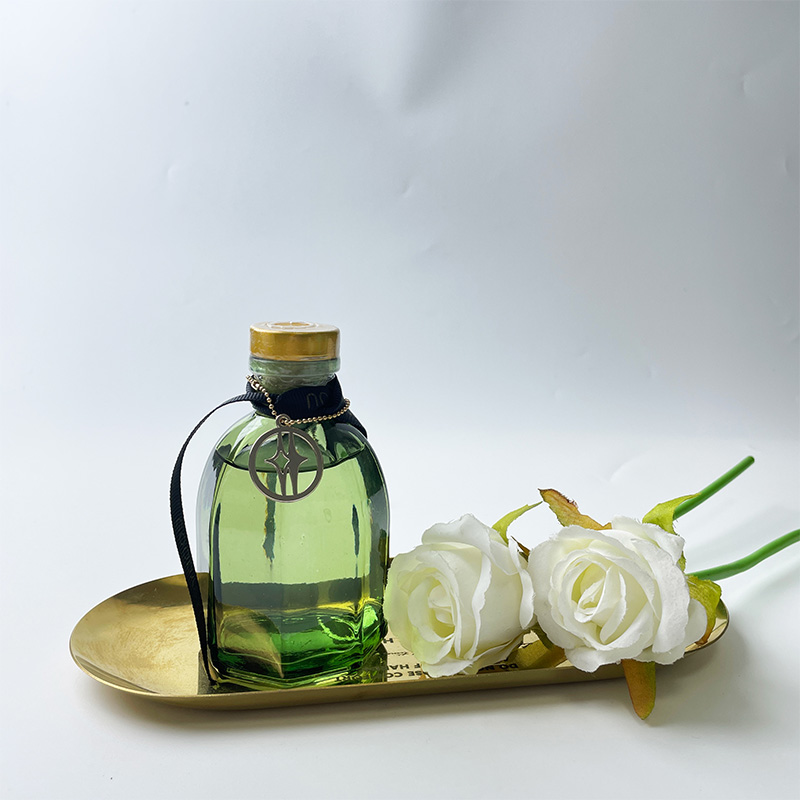 Indoor Long-Lasting Fragrance Home Bedroom Sleep Aid Calming Reed Diffuser CustoZhiwen is China Suppliers of Indoor Long-Lasting Fragrance Home Bedroom Sleep Aid Calming Reed Diffuser, Custom Indoor Long-Lasting Fragr...View Product →
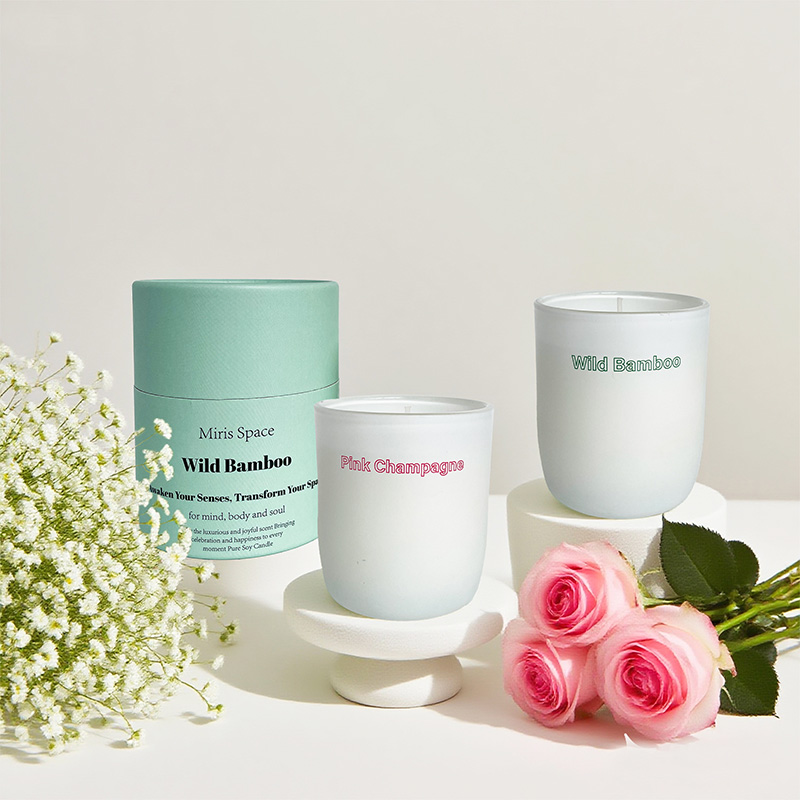 Cylinder Gift Box Floral Scent Home Use, Indoor Long-Lasting Scented Candle CustZhiwen is China Suppliers of Cylinder Gift Box Floral Scent Home Use, Indoor Long-Lasting Scented Candle Customizable Soy Wax, Custom Cyl...View Product →
For a broader overview of product formats and how they relate, you can also check our article on scents, formats, and sourcing for holiday candles. The principle is the same for burning oils: choose a scent family that fits the season, release it in a format your customer already knows, and test the performance thoroughly before you scale.
The Bottom Line
Fragrance oil for burning is a practical, low-cost category with a steady demand among home fragrance users. The key to a successful product — whether you are buying oil in bulk, private-labeling it, or just using it in your own home — is matching the oil to the heat source and understanding how the fragrance behaves over time. Ask the right questions, test in the real burner, and choose a supplier who can show you the formulation data rather than just a pleasant scent strip.
-
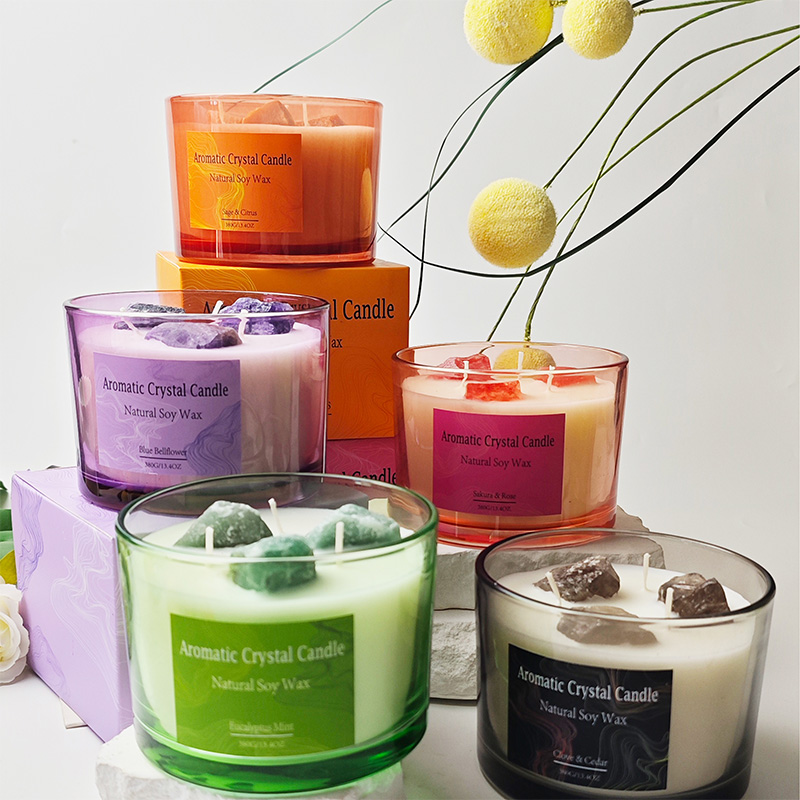 Colored Crystal Healing Scented Candle for Home Use, Long-Lasting Fragrance with Natural Soy Wax
-
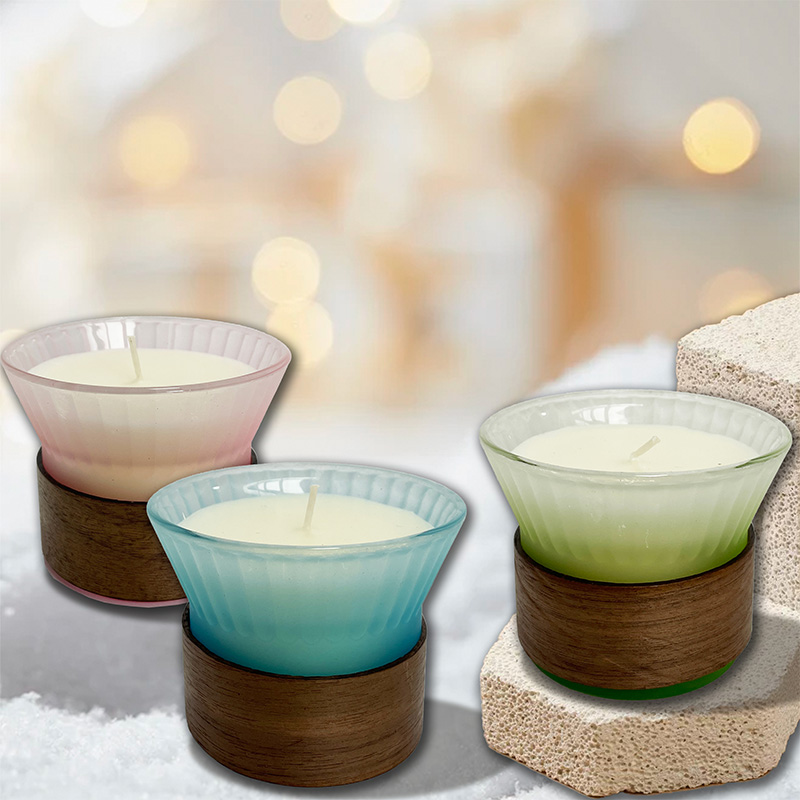 Natural Soy Wax Niche Scented Candle for Home Use, Long-Lasting Fragrance Gift
-
 Cylinder Gift Box Floral Scent Home Use, Indoor Long-Lasting Scented Candle Customizable Soy Wax
-
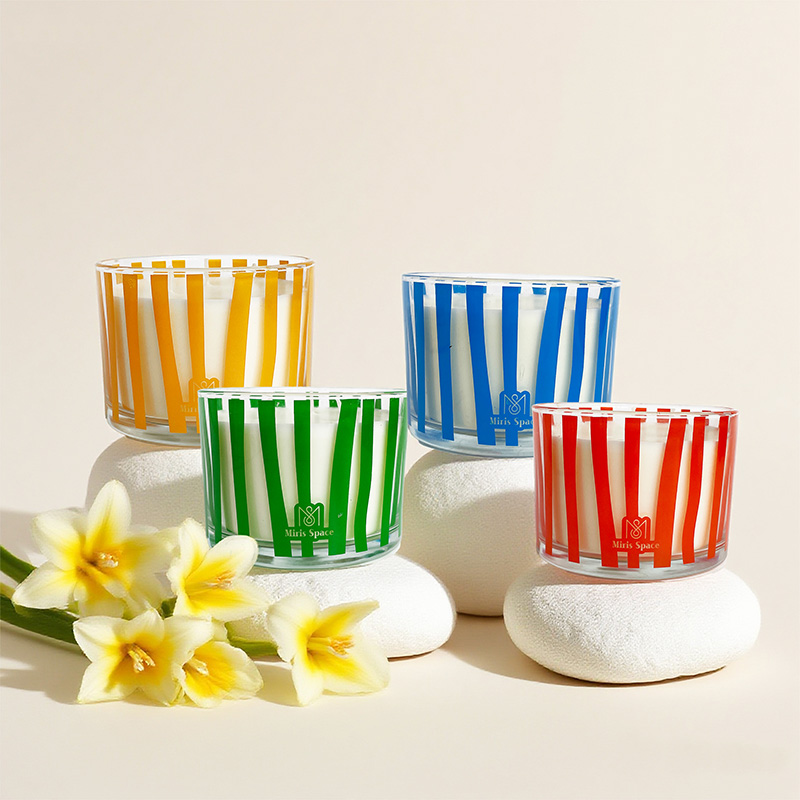 Colorful Stripe Scented Candle Home Use Indoor Long-Lasting Fragrance Natural Soy Wax
-
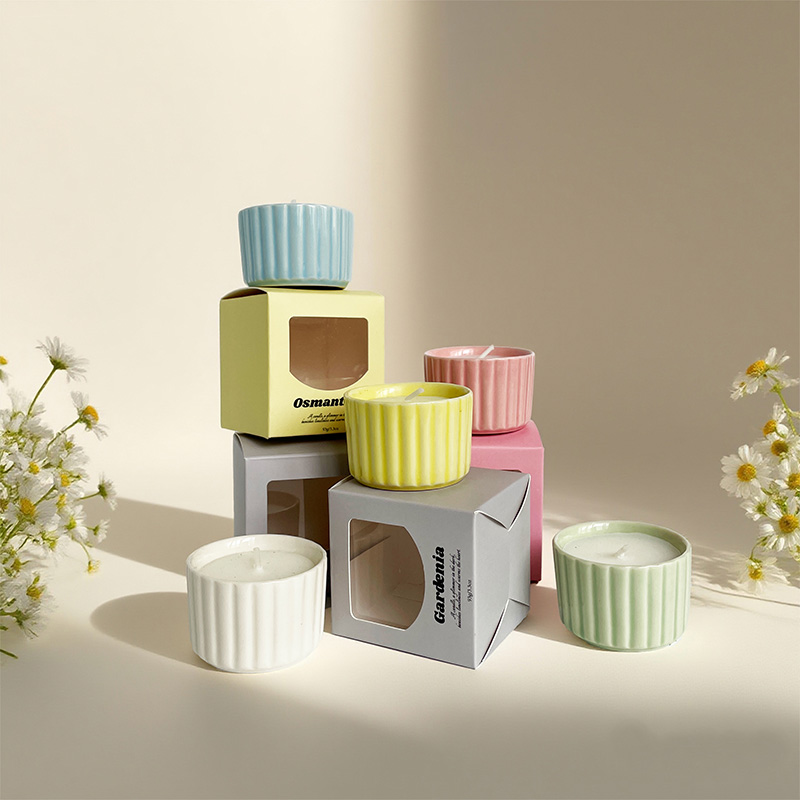 Small Portable Colorful Minimalist Scented Candle with Pure Natural Soy Wax and Cotton Wick
-
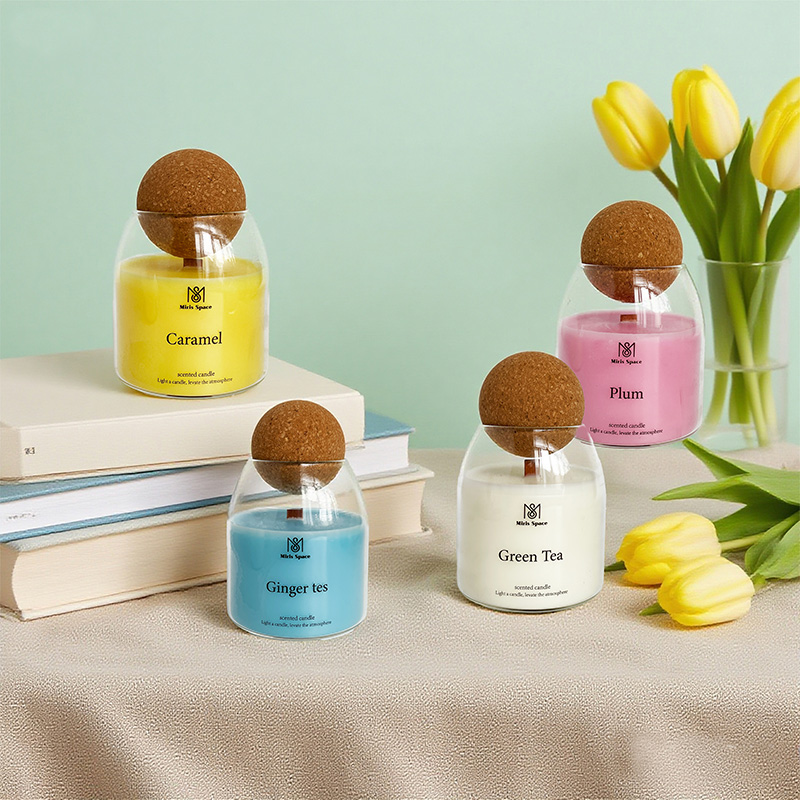 Fresh Simple Round Cork Scented Candle Custom Private LOGO
Get in touch: [email protected]
Copyright © Xuancheng Zhiwen Handicraft Co., Ltd.
