 English
 Français
 Deutsch
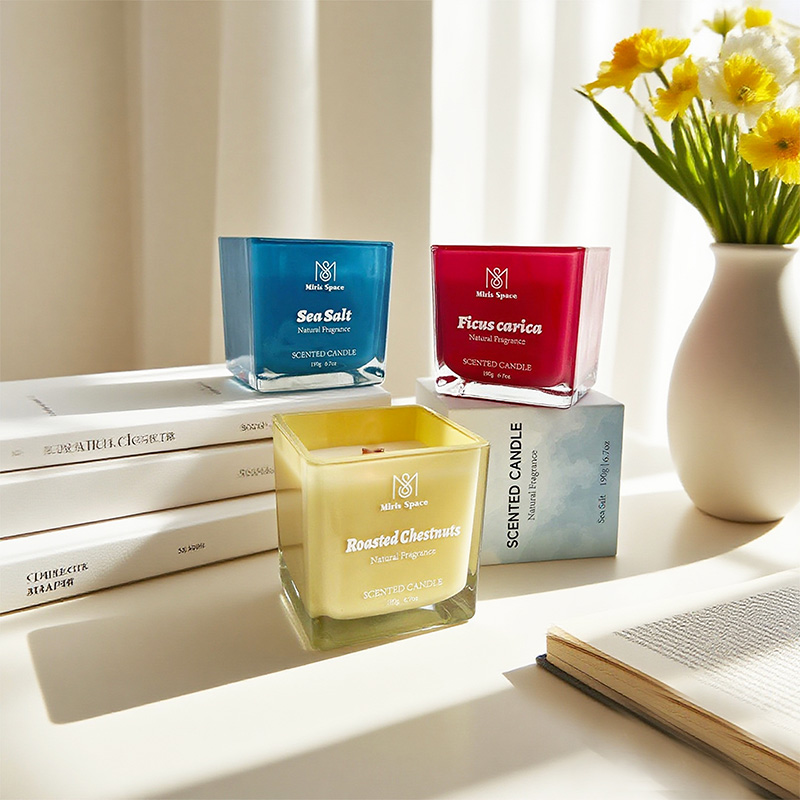
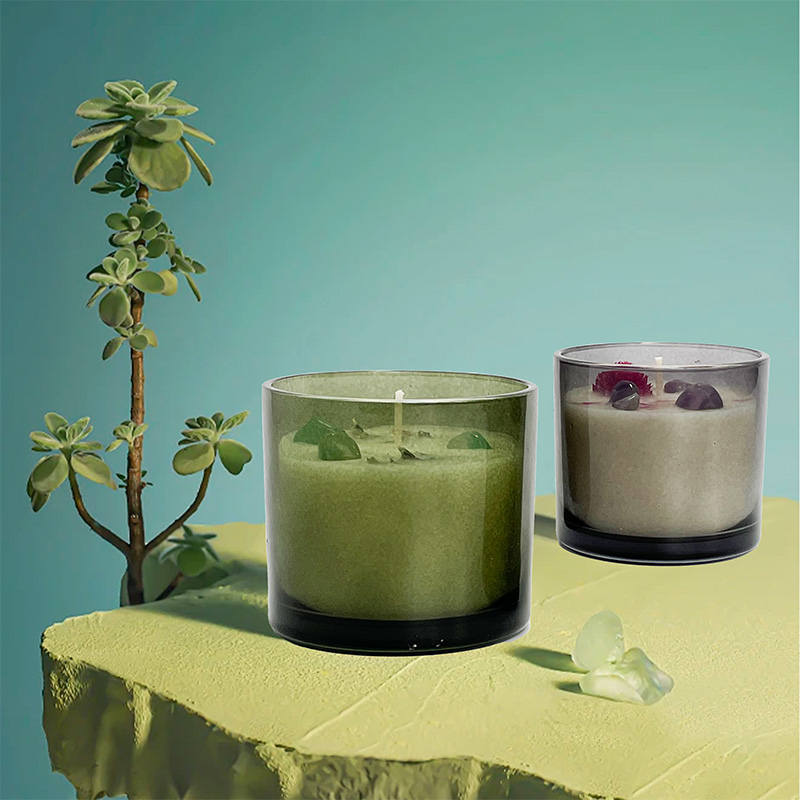
Founded on April 21, 2004, Xuancheng Zhiwen Handicraft Co., Ltd. is a high-tech enterprise specializing in the production of scented candles. Zhiwen Handicraft has a professional R&D and sales team, mainly providing labeling and processing services for scented candles for overseas markets. Bulk Scented Candles Suppliers and Aromatherapy Candles Factory in China. From sustainably sourced ingredients to rigorous quality control, every step meets global environmental and safety standards. From Sketch to Shelf-We specialize in co-creating unique selling points with brands, delivering one-stop fragrance design solutions that bring your vision to life! Bulk Scented Candles. The company serves customers in more than 30 countries and regions.

Plant-Based Wax Blends: Renewable & biodegradable soy/coconut/beeswax formulas—free
from paraffin and toxins.
Clean-Burning Wicks: 100% lead-free cotton cores for smoke-free, non-toxic flames.
Recyclable Packaging: Glass jars, tin containers & FSC-certified paper boxes designed for
zero-waste living.

Low-Waste Production: Wax remnants are upcycled, and imperfect items are ethically repurposed.
Energy-Smart Manufacturing: Solar-powered facilities reduce carbon emissions.
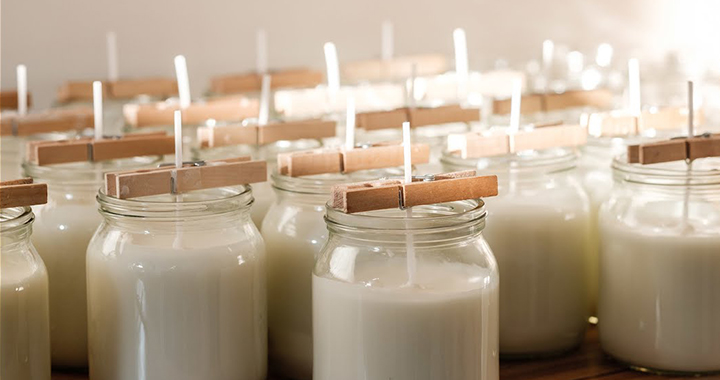
Visual Inspection: Ensuring flawless wax surfaces and scratch-free vessels.
Fragrance Test: Achieving a balanced scent without being overpowering.
Burn Trial: Delivering soot-free flames with consistent burn time.

Vegan & Cruelty-Free: uses plant-derived dyes and fragrances without animal testing.
Fair Trade Ingredients: Sourcing ethically sourced essential oils that support global communities.
How Wax, Fragrance Load, and Wick Design Affect Candle Performance
When evaluating bulk scented candles, buyers should consider the wax, fragrance oil, wick, vessel, and production process as one integrated system. A candle with a high fragrance percentage does not automatically produce a stronger or cleaner scent. Excess fragrance oil may interfere with combustion, create surface sweating, weaken wax structure, or increase soot if the wick is not correctly matched.
Fragrance load is normally calculated as a percentage of the wax weight. The suitable level depends on wax absorption capacity, fragrance composition, vessel diameter, and the intended scent experience. A balanced formula is more valuable than the highest possible fragrance percentage. Before confirming a wholesale order, buyers should request burn-test records from samples made with the final fragrance, wax, wick, color, and container combination.
Useful observations during sample testing
- The melt pool should expand gradually without overheating the container.
- The flame should remain stable and should not produce persistent visible smoke.
- The wick should not develop excessive carbon buildup or a large mushroom-shaped tip.
- Cold throw and hot throw should be evaluated separately because they measure different stages of fragrance performance.
- Wax residue on the vessel wall should be assessed after several complete burn cycles, not only after the first lighting.
At Zhiwen, we use our production experience to help buyers compare practical formula options rather than relying only on fragrance-load claims. This approach is especially important for customized aromatherapy candles, where essential-oil components and delicate fragrance notes may respond differently to heat.
Choosing Fragrance Formats for Different Sales Channels
The ideal fragrance format depends on where the candle will be sold and how customers are expected to use it. A strong scent suitable for a large home-fragrance retailer may be inappropriate for hotel amenities, wellness gift sets, subscription boxes, or small treatment rooms. Buyers can reduce product-development risk by defining the target room size, expected burn duration, consumer profile, and packaging environment before selecting fragrances.
| Application | Recommended Direction | Buyer Consideration |
|---|---|---|
| Retail home fragrance | Recognizable layered scents with noticeable hot throw | Shelf appeal, repeatability, and seasonal range planning |
| Wellness and spa sets | Soft herbal, woody, citrus, or botanical profiles | Avoid unsupported therapeutic claims on labels |
| Hospitality amenities | Clean, broadly acceptable, moderate-intensity scents | Room size, guest sensitivity, and burn supervision |
| Gift and promotional programs | Accessible scents with stable year-round availability | Lead time, labeling area, and packaging durability |
For aromatherapy candles, terminology also matters. A product may contain essential oils, fragrance oils, or a blended fragrance system, but these categories should not be treated as interchangeable. Buyers should confirm ingredient documentation, restricted-substance compliance, and labeling requirements for each destination market. Fragrance descriptions should communicate sensory character without implying medical treatment.
Reducing Quality Variation in Private-Label Candle Orders
Consistency becomes increasingly important as order volume grows. Small differences in wax temperature, fragrance-mixing time, wick position, cooling speed, or storage conditions can affect appearance and burning behavior. Buyers sourcing bulk scented candles should therefore evaluate the supplier’s process controls as carefully as the finished sample.
Specifications worth confirming before mass production
- Approved wax, fragrance, wick, vessel, lid, label, and packaging references.
- Acceptable tolerances for fill weight, fragrance dosage, wick centering, label placement, and finished dimensions.
- Required curing period before scent evaluation, inspection, or shipment.
- Burn-test method, test-room conditions, cycle length, and pass-or-fail criteria.
- Carton structure, protective inserts, pallet configuration, and temperature considerations during transportation.
A golden sample should be signed off before production and retained as the comparison standard for color, scent, labeling, and packaging. However, appearance alone is not sufficient. Buyers should also define measurable acceptance criteria, because natural waxes may show minor frosting, color variation, or surface changes without indicating functional failure.
We recommend testing products after realistic shipping and storage simulations, especially when candles may pass through hot containers or cold warehouses. Zhiwen supports overseas private-label projects with production-equipment experience, labeling capabilities, and process knowledge developed across more than 20 years. Clear specifications at the sampling stage help us reduce avoidable revisions and create more dependable outcomes for buyers.
Get in touch: [email protected]
Copyright © Xuancheng Zhiwen Handicraft Co., Ltd.
